Introduction to AI-Powered Project Management Tools
Understanding AI’s Role in Modern Project Management
Artificial Intelligence (AI) has become a transformative force in project management, offering capabilities far beyond traditional tools. By automating repetitive tasks and providing data-driven insights, AI enables project managers to move from manual tracking to strategic oversight. AI-powered project management tools analyze vast amounts of project data to forecast risks, optimize resource allocation, and enhance decision-making. This technological evolution allows teams to work smarter and deliver projects more efficiently by minimizing human error and freeing time for high-value activities.
Why Remote Teams Need Advanced Collaboration Solutions
Remote work introduces unique challenges such as communication barriers, scattered information, and time zone differences. These factors often lead to delays, duplicated work, and unclear priorities. AI-powered tools address these issues by creating seamless channels for collaboration that work in real time and asynchronously. They help align goals, maintain visibility across tasks, and automate routine updates, creating a unified workflow despite geographical dispersal. For remote teams, adopting AI-driven project management solutions is no longer a luxury but a necessity to ensure productivity and cohesion.
Key Features of AI Project Management Tools
Automated Task Allocation and Prioritization
One of the fundamental features of AI project management tools is their ability to automatically assign tasks based on team members’ availability, skills, and current workload. AI analyzes historical data and project requirements to break down complex initiatives into manageable tasks. By prioritizing work aligned with project goals and capacity, AI helps prevent bottlenecks and keeps deadlines realistic. This automation not only saves managerial time but also ensures that resources are allocated efficiently, allowing teams to focus on tasks that add the most value.
Real-Time Analytics and Progress Tracking
AI tools continuously monitor project progress, aggregating data from various sources to provide real-time updates and detailed analytics. This visibility enables project managers to quickly identify risks, delays, or deviations from the plan. Through predictive analytics, AI can forecast potential bottlenecks and suggest corrective actions before issues escalate. Tracking is automated, giving stakeholders accurate and timely progress reports without manual input, which improves transparency and trust within remote teams.
Intelligent Communication Facilitators
Effective communication is critical in any project, especially for dispersed teams. AI-powered collaboration platforms often include smart communication features such as AI-driven translation, sentiment analysis, and message prioritization. These tools break down language barriers and highlight essential updates, ensuring that messages are clear and reach the right people at the right time. By reducing miscommunication and duplicated efforts, AI improves collaborative efficiency and helps maintain alignment across diverse teams.
Setting Up AI Tools for Remote Teams
Choosing the Right Software for Your Team’s Needs
Selecting an AI project management tool requires a thorough understanding of your team’s specific challenges and workflows. Consider factors such as the size of your team, the complexity of projects, and existing software ecosystems. Opt for solutions that offer customizable features tailored to your industry and support integration with tools your team already uses. Prioritizing these aspects helps ensure the tool adds value without disrupting established processes.
Integrating AI Tools with Existing Platforms
To maintain workflow continuity, AI tools must seamlessly integrate with your current project management and communication systems. Integration harmonizes data streams from various applications, creating a centralized hub for project information. This unified approach prevents data silos and makes tracking progress straightforward. When setting up AI tools, work closely with your IT department or vendors to ensure smooth synchronization and avoid any interruption in daily operations.
Training Remote Teams for Optimal Adoption
Even the most powerful AI tools require user adoption to deliver benefits. Investing time in training remote teams ensures that everyone understands how to use the features effectively. Training should focus on demonstrating how AI automates routine tasks, facilitates communication, and supports decision-making. Encourage feedback and ongoing learning to build confidence and foster a culture that embraces technological change. Strong adoption will lead to higher productivity and improved project outcomes.
Maximizing Productivity Through AI Insights
Analyzing Team Performance Metrics
AI tools collect and interpret data related to individual and team performance, providing detailed metrics such as task completion rates, adherence to deadlines, and collaboration patterns. These insights allow managers to identify strengths and areas for improvement, enabling more informed coaching and resource allocation. By understanding how work is progressing at a granular level, teams can continuously refine their processes to deliver results more efficiently.
Forecasting Project Timelines and Risks
One of the most significant advantages of AI in project management is predictive analytics. By analyzing historical data and current project parameters, AI can forecast realistic timelines and highlight potential risks. This foresight allows project managers to adjust resources, modify schedules, or address issues proactively. Such early intervention helps avoid delays and reduces stress on team members, contributing to smoother project execution and greater likelihood of success.
Best Practices for Remote Collaboration Using AI
Encouraging Transparent Communication
Transparency is the cornerstone of effective remote collaboration. AI tools can facilitate this by enabling clear, consistent updates and providing shared visibility into project progress. Encouraging team members to regularly use AI-driven communication features helps maintain alignment and accountability. When communication is transparent, misunderstandings are minimized, and everyone stays informed about priorities and changes.
Automating Routine Follow-Ups and Reminders
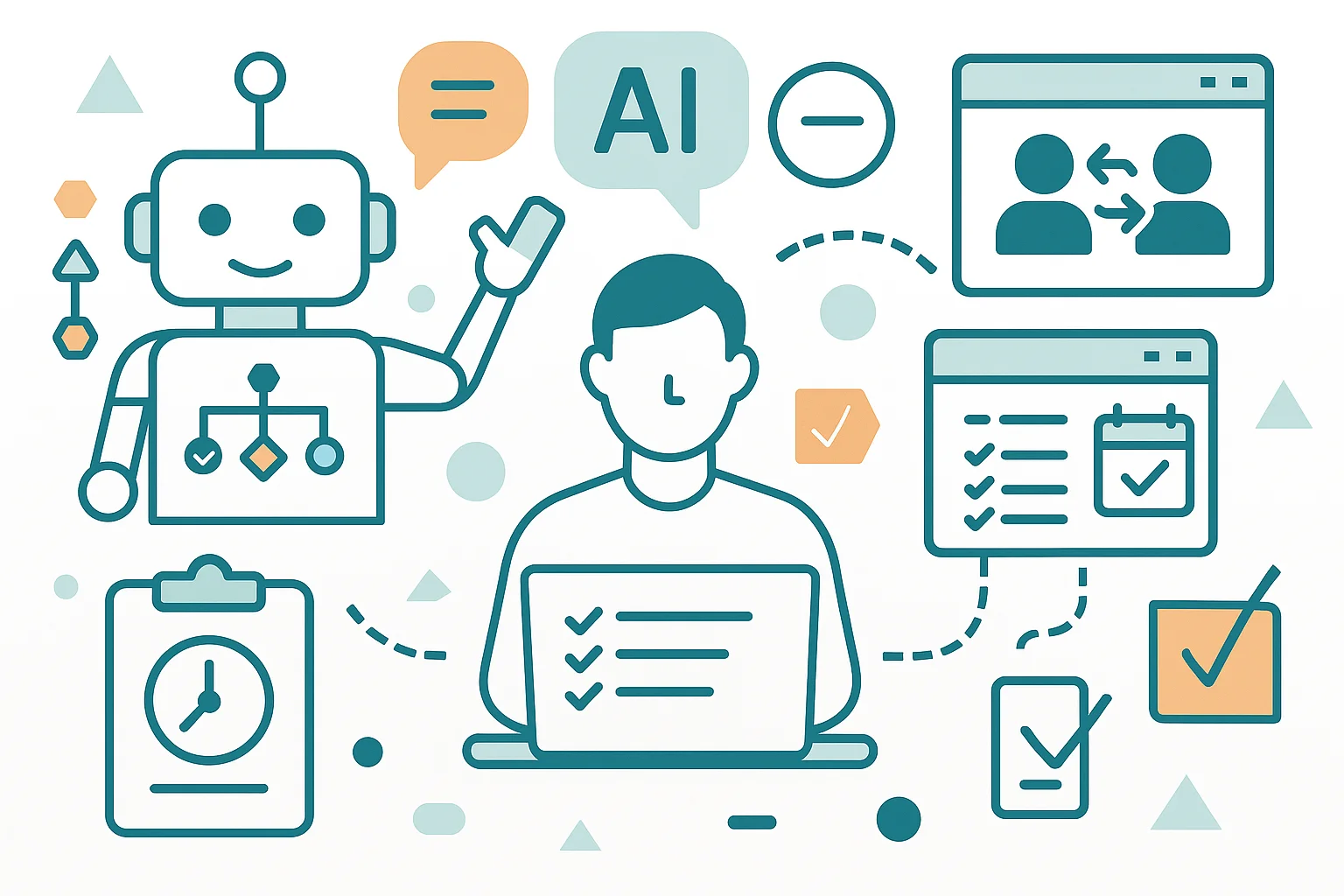
Manual follow-ups and reminders consume valuable time and can be easily overlooked in busy schedules. AI remedies this by automating these routine tasks, sending timely notifications about deadlines, meetings, and status updates. This automation reduces the administrative burden on project managers and ensures that important tasks remain on track. Consequently, teams can focus more on meaningful work and less on coordinating efforts.
Challenges and Solutions When Deploying AI in Remote Project Management
Addressing Privacy and Security Concerns
Introducing AI tools often raises concerns about data privacy and security, especially when sensitive project information is involved. It is vital to choose AI solutions with strong security protocols, including data encryption, access controls, and compliance with relevant regulations. Regular audits and transparent policies build trust among team members and stakeholders, ensuring that AI adoption does not compromise confidentiality.
Overcoming Resistance to Technology Adoption
Resistance to new technology can slow down or derail AI implementation. To overcome this, involve team members early in the selection and deployment process, addressing their concerns and highlighting the benefits. Providing continuous support and demonstrating tangible improvements to workflows encourages acceptance. Leadership endorsement and clear communication about how AI will reduce workload and enhance productivity are key to successful adoption.
Future Trends in AI-Powered Project Management
Emerging Tools and Innovations
The field of AI project management is rapidly evolving, with new tools offering capabilities such as advanced natural language processing, augmented reality collaboration, and even deeper predictive analytics. These innovations promise to make project planning more intuitive, communication more immersive, and risk management more precise. As AI continues to integrate more closely with human workflows, project management is set to become increasingly adaptive and proactive.
The Evolving Role of AI in Collaboration
AI is shifting from being a supplementary tool to a central part of collaborative processes. Future remote teams will rely on AI not only to automate tasks but also to facilitate creative problem-solving and strategic planning. The role of project managers will evolve towards leveraging AI insights and focusing on human-centric leadership. Ultimately, AI will empower teams to collaborate more effectively, innovate faster, and maintain agility amid changing project demands.