Why Smart Thermostats Matter for Energy Savings
Understanding Energy Consumption in the Home
Heating and cooling represent a significant portion of household energy use, often accounting for nearly half of the annual energy bill. For many American homes, this can amount to over $900 every year. Factors such as seasonal extremes—scorching summers and icy winters—only intensify this consumption. Inefficient control over temperature settings, combined with outdated thermostat technology, causes unnecessary waste and drives bills higher. Understanding where your energy is spent is the first step toward making smarter, more cost-effective choices.
The Role of Thermostats in Energy Efficiency
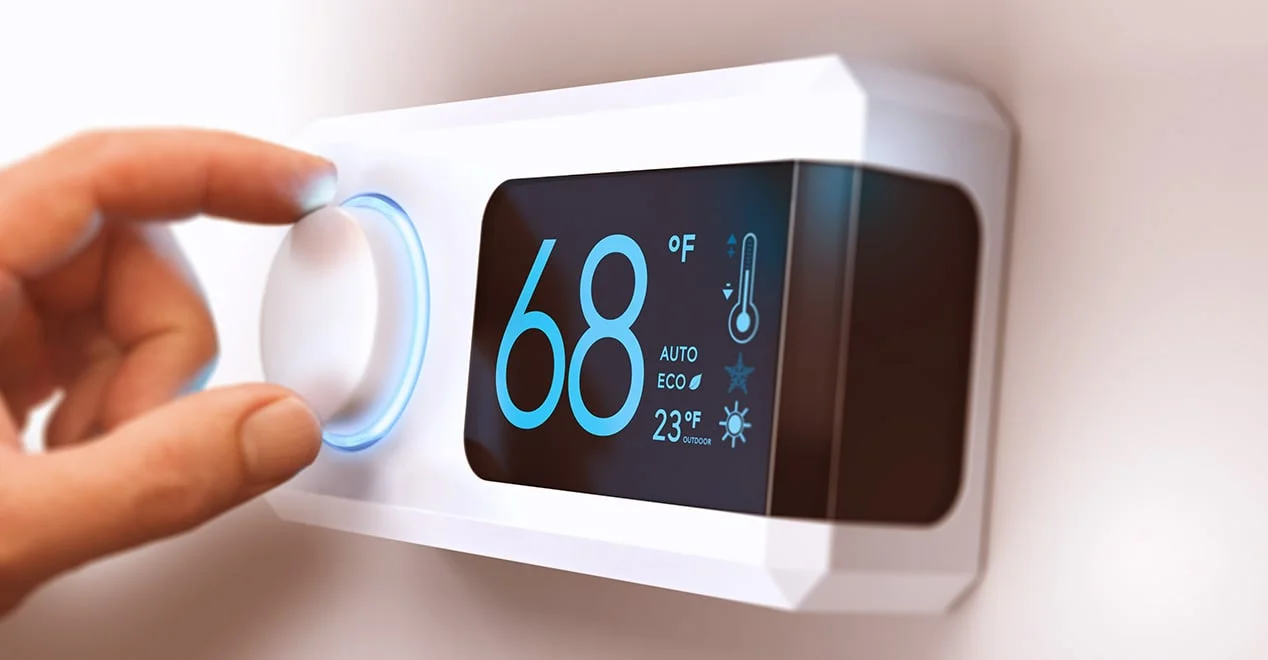
Traditional thermostats, especially manual ones, demand constant adjustments that can be easily forgotten or overlooked, leading to wasted energy. Even programmable thermostats often rely on static schedules that don’t adapt well to changes in daily routines. Smart thermostats revolutionize this by automating temperature control based on your habits, occupancy, and preferences. By reducing unnecessary heating or cooling when you’re away or asleep, they help cut energy waste without sacrificing comfort.
Key Features to Look for in a Smart Thermostat
Learning Capabilities and Automated Scheduling
One of the most valuable features of smart thermostats is their ability to learn from your behavior. They observe temperature preferences over time and automatically adjust schedules to match your routine. This means you don’t need to manually update the settings as your day changes. The thermostat becomes smarter with use, providing personalized comfort while minimizing wasted energy.
Remote Access and Mobile App Integration
Modern smart thermostats connect to your home’s Wi-Fi network, allowing you to control the temperature remotely through a smartphone or tablet app. This flexibility means you can adjust settings on the go—to cool your home before you arrive or turn down the heat while you’re away. Remote control helps avoid the common mistake of leaving thermostats at energy-intensive levels during long absences or vacations.
Compatibility with Your HVAC System
Ensuring your smart thermostat is compatible with your heating and cooling system is crucial. Not all thermostats work with every HVAC setup, especially in homes with high-efficiency or complex equipment. Compatibility affects how well the thermostat controls your system and ultimately impacts energy savings. It’s advisable to research or consult with professionals to match the device with your specific home environment before purchase.
Energy Usage Reports and Analytics
Another significant advantage is the detailed energy usage reports offered by many smart thermostats. These insights allow you to understand consumption patterns, identify potential savings, and make informed adjustments. Real-time analytics can also alert you to system inefficiencies or unusual spikes in usage, helping you maintain optimal performance throughout the year.
Evaluating Your Home Setup and Needs
Assessing Your Current Heating and Cooling System
Before selecting a smart thermostat, take a close look at your existing HVAC system. Consider the type of equipment you have, its age, and how often it requires maintenance. Some smart thermostats work best with specific system types and might not support older or less common models. Understanding these details ensures you choose a device that integrates seamlessly and maximizes efficiency.
Considering Your Household’s Energy Habits
Every household has unique routines and comfort preferences. Reflect on your daily schedule, how often you are home, and the temperature levels you prefer during different times. Smart thermostats excel when tailored to these patterns. For example, setting your thermostat to 68°F while awake during winter and lowering it when asleep or away can significantly cut your bills. Similarly, raising the temperature to around 78°F in summer while keeping it higher when you’re out saves energy without compromising comfort.
Top Smart Thermostat Models That Save You Money
Comparison of Popular Brands and Prices
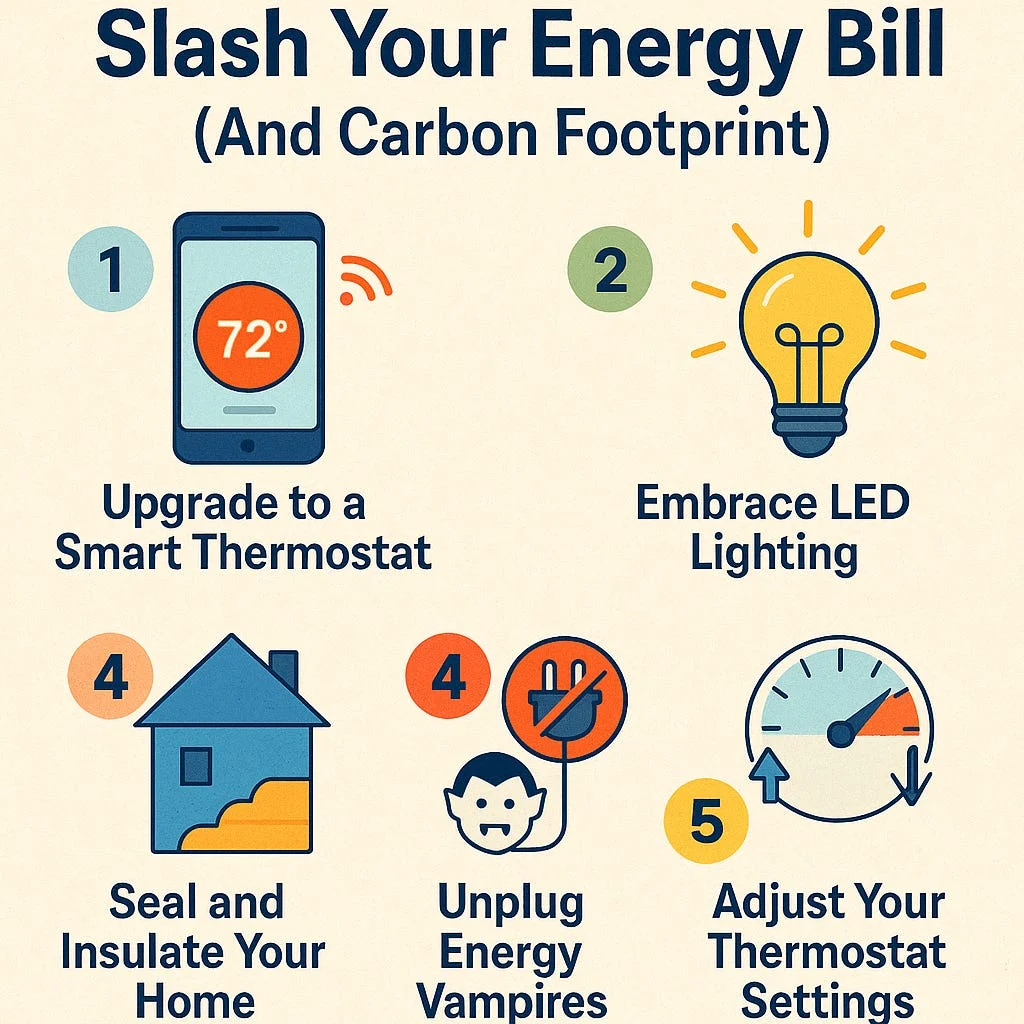
When shopping for a smart thermostat, look for ENERGY STAR certified models as they meet strict efficiency guidelines. Popular brands offer a range of products that vary in features and price points. Some thermostats focus on automated learning, while others emphasize remote access or energy analytics. Comparing these options based on your budget and home needs helps ensure you invest in a model that delivers real savings and convenience.
User Reviews and Real-World Savings
Beyond specifications, customer reviews provide valuable insight into how these devices perform in everyday settings. Users often report noticeable decreases in their energy bills, improved comfort, and ease of use. Many highlight the benefits of connecting thermostats with utility demand-response programs that offer bill credits. Considering both expert reviews and user experiences will guide you to the best smart thermostat solution for your household.
Installation Tips for Maximizing Efficiency
DIY vs Professional Installation
Installing a smart thermostat can often be a straightforward process that many homeowners complete within 30 minutes, especially when following manufacturer tutorial videos. However, if your HVAC system is complex or you lack confidence, professional installation may be wise. Proper installation is critical to ensure the thermostat functions correctly and communicates effectively with your heating and cooling units.
Calibrating Your Thermostat for Optimal Performance
After installation, calibrate the thermostat to match your system’s requirements and your comfort preferences. Setting it about 7° to 10° higher or lower than usual for 8 hours daily—such as when you’re away or asleep—can reduce heating and cooling costs by up to 10%. Use available features like “eco mode” to maintain energy-efficient settings. Regular adjustments based on seasonal changes will help sustain those energy savings over time.
Long-Term Benefits Beyond Energy Savings
Environmental Impact and Carbon Footprint
Reducing energy consumption by optimizing heating and cooling contributes not only to lower bills, but also to lessening your household’s carbon footprint. Smart thermostats encourage responsible energy use by minimizing waste, which in turn helps reduce emissions associated with power generation. Choosing ENERGY STAR certified devices further supports sustainable living practices.
Enhanced Comfort and Convenience
In addition to cost savings, smart thermostats enrich your daily life through greater comfort and convenience. Automated adjustments ensure your home is always at the right temperature, while remote controls provide flexibility and peace of mind. Features like geofencing can start heating or cooling as you approach home, offering seamless temperature management that fits naturally with your lifestyle.