Introduction to AI-Based Image Recognition in Inventory Management
Understanding AI and Image Recognition Technology
Imagine a warehouse worker tasked with photographing dozens of equipment nameplates, then painstakingly transcribing each detail by hand into a spreadsheet. This traditional approach to inventory management is ripe with inefficiencies that slow down projects and lead to errors. Artificial Intelligence (AI) combined with image recognition technology offers a transformative solution. By enabling systems to automatically capture and interpret visual data from images, AI-based image recognition streamlines data collection and reduces human error.
This technology uses machine learning algorithms that have been trained on vast amounts of visual data to identify patterns, text, and objects within images. In the context of inventory management, it can recognize equipment nameplates, product labels, and packaging features, extracting critical information such as serial numbers, manufacturer details, and asset conditions in real time. This process eliminates many manual steps and moves data validation directly into the field, providing project managers and stakeholders with timely, accurate insights.
Benefits of AI for Inventory Efficiency
Companies adopting AI-powered image recognition tools often see dramatic improvements in how swiftly and accurately inventory data is collected and processed. One manufacturing firm reduced their stocktaking time by more than half simply by employing smart cameras combined with AI software that automatically identified and logged assets. Project managers gained immediate visibility into asset completeness and condition, reducing costly delays caused by missing or inconsistent data.
Additionally, by integrating real-time dashboards that update as images are processed, teams can track inspection progress and data quality dynamically. This capability helps to quickly pinpoint issues—such as blurry images or incomplete entries—enabling corrective action before data inaccuracies proliferate.
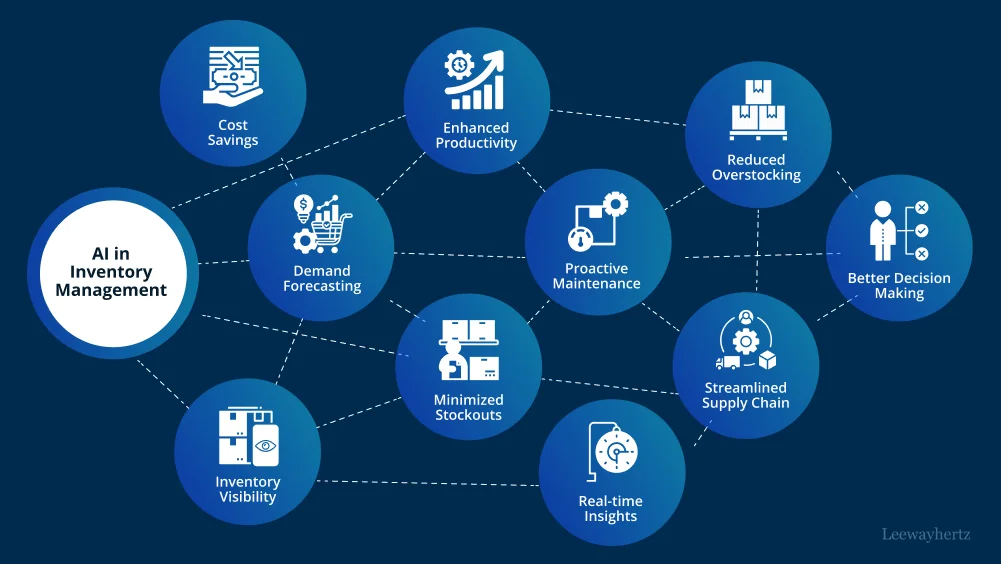
Overall, AI enhances inventory accuracy, saves labor costs, and supports smarter, faster decision-making across multiple locations or large asset portfolios.
Key Components of AI Image Recognition Systems
Hardware Requirements for Image Capture
The foundation of any AI image recognition system lies in reliable image capture hardware. This can range from high-resolution cameras mounted on walls or drones flying over warehouse shelves, to handheld devices such as smartphones or tablets. For example, several retail companies have deployed rugged mobile devices equipped with integrated cameras to perform on-the-spot stocktaking while walking through the store aisles.
The choice of hardware depends on the inventory environment and operational scale. In environments with fast-moving goods, continuous video capture using fixed cameras may be optimal. In contrast, for asset-heavy industries like manufacturing, manual capture via mobile devices allows for systematic and precise image collection of individual equipment nameplates.
Software and Algorithms Behind Image Recognition
Behind the scenes, AI image recognition systems leverage deep learning models trained to identify textual and visual markers on equipment or products. Optical Character Recognition (OCR) algorithms extract text from images, enabling automatic transcription of serial numbers or manufacturer details. Meanwhile, convolutional neural networks (CNNs) analyze shapes, colors, logos, and packaging designs to classify items and flag discrepancies.
Innovative software also includes validation layers that cross-check extracted data against existing databases on the fly, ensuring accuracy before saving. This in-field validation drastically reduces the need for post-inspection data cleanup and rework.
Integrating AI Tools with Existing Inventory Systems
AI-powered image recognition must work seamlessly within broader inventory workflows. Integration typically involves connecting AI outputs to enterprise resource planning (ERP) systems, asset management platforms, or custom databases. For example, a large logistics firm linked its AI image recognition solution directly to its capital planning software, enabling automatic updates of asset conditions and lifecycle projections as images were processed.
This integration eliminates data silos, ensuring that all stakeholders—from warehouse teams to finance departments—have access to consistent, real-time information. APIs and middleware solutions often facilitate smooth data exchange between AI tools and existing infrastructure.
Step-by-Step Guide to Implementing AI-Based Image Recognition
Assessing Current Inventory Processes
A successful AI implementation begins with a thorough assessment of existing workflows. Take the example of a mid-sized electronics manufacturer that discovered their manual asset data collection was riddled with delays due to separate inspection and data entry stages. By mapping out each manual step—photographing, transcribing, researching—the team identified bottlenecks ripe for automation through image recognition.
Understanding pain points, such as frequent blurry images or outdated records, helps clarify the scale and scope of AI adoption needed. It also ensures alignment on goals like reducing rework, improving data accuracy, or speeding inspection cycles.
Choosing the Right AI Tool for Your Business
Selecting the appropriate AI solution requires balancing factors like ease of use, accuracy, integration capabilities, and scalability. Some businesses may prioritize mobile-friendly apps with built-in AI for ease of use in the field, while others need cloud-based platforms capable of processing millions of asset images daily.
For example, a retail chain favored an AI vendor offering on-device image recognition integrated with their point-of-sale system, which allowed real-time stock updates during shelf audits. Meanwhile, a manufacturing company opted for a customizable AI platform that could be trained on specific types of equipment to boost recognition accuracy.
Setting Up Infrastructure and Equipment
Once the tool is selected, organizations must deploy the necessary hardware—cameras, drones, mobile devices—and ensure reliable network connectivity. A large warehouse spaced across multiple floors installed fixed cameras at strategic points combined with handheld devices for manual spot checks, achieving comprehensive coverage.
Power supply, device mounting, and environmental factors like lighting must also be considered to optimize image quality and minimize errors.
Training and Calibration of the AI Model
AI models require training on domain-specific data to accurately recognize asset attributes. This involves feeding the system thousands of labeled images representing the products and equipment commonly found in the inventory. Calibration sessions are crucial to finetune the model’s sensitivity, helping it distinguish between similar-looking items.
During training, operators may discover that certain nameplate designs or packaging labels cause recognition errors. Targeted retraining with additional sample images helps improve system robustness.
Testing and Deployment Phases
Before full-scale rollout, pilot testing in a controlled environment evaluates system accuracy, speed, and integration efficacy. For instance, a distribution center conducted a two-week trial comparing manual stocktaking results with AI-assisted counts, revealing a 30% reduction in errors and a 40% faster process.
Feedback gathered during these phases informs necessary adjustments in workflows or technical setup. Once confident, the solution is deployed enterprise-wide, backed by ongoing monitoring and support.
Overcoming Common Challenges in AI Integration
Dealing with Data Privacy and Security
Capturing and transmitting inventory images raises important data privacy concerns, especially when proprietary products or sensitive locations are involved. Organizations must implement strong encryption protocols for data in transit and at rest. Access controls and user permissions help ensure only authorized personnel can view or modify inventory records.
Compliance with regional data protection regulations also requires careful planning. In many cases, anonymizing certain data elements within images or restricting geographic information reduces risk while preserving operational functionality.
Ensuring Accuracy and Reducing False Positives
False positives—incorrect recognition results—can undermine trust in AI systems. To mitigate this, continuous model retraining with fresh data and feedback loops from field operators are essential. For example, an industrial equipment rental company set up a review process where flagged image recognition errors were corrected manually and fed back into the AI model for correction.
Combining image recognition with other sensor data, such as RFID tags or barcode scans, can also enhance validation and minimize errors.
Managing Costs and Resource Allocation
Implementing AI-based image recognition requires investment in hardware, software licenses, and employee training. Companies should weigh these costs against the long-term savings from reduced labor, rework, and inventory inaccuracies. Startups and mid-sized businesses might pilot solutions on a smaller scale to prove ROI before broad deployment.
Securing buy-in from leadership and aligning AI implementation with strategic objectives helps ensure adequate budgeting and resource commitment.
Case Studies: Success Stories of AI in Inventory Management
Retail Sector
A national grocery chain implemented AI-powered mobile stocktaking to combat costly inventory shrinkage and labor-intensive audits. Employees captured product images during shelf checks, with AI automatically extracting product details and quantities. This real-time data fed into inventory management systems, allowing managers to promptly reorder low-stock items and investigate discrepancies.
The chain reported a 20% reduction in out-of-stock incidents and significant labor savings within the first six months.
Manufacturing and Warehousing
In a large automotive parts warehouse, AI-based image recognition was integrated with drone-mounted cameras to conduct regular inventory audits in hard-to-reach areas. The drones captured images of stored parts, while the AI extracted serial numbers and condition data, instantly updating the central inventory database.
This solution replaced tedious manual stocktaking, eliminated errors from poor handwriting transcription, and improved asset visibility for maintenance and capital planning teams.
Future Trends: The Evolution of AI in Inventory Control
Advancements in Image Recognition Technology
As AI models grow more sophisticated, future inventory systems will handle increasingly complex visual environments with higher accuracy. Emerging techniques like 3D image recognition and augmented reality (AR) will allow workers to visualize inventory data overlaid on actual assets, facilitating intuitive inspections and faster decision-making.
Additionally, federated learning methods may enable inventory AI systems to improve across multiple locations without compromising data privacy by sharing learned insights rather than raw data.
AI and IoT Synergy for Inventory Automation
The integration of AI image recognition with Internet of Things (IoT) devices promises fully automated, intelligent inventory ecosystems. Sensors tracking temperature, motion, or usage combined with AI-analyzed images will enable proactive maintenance, automatic replenishment, and precise lifecycle management.
Picture a warehouse where smart shelves detect stock levels visually and trigger restocking orders autonomously—minimizing human intervention while maximizing efficiency. Such synergy will redefine inventory control and asset management in the coming decade.