Introduction to AI in Marketing Data Analysis
What Makes AI Essential for Modern Marketing
Marketing today operates in a landscape flooded with vast volumes of data from multiple channels. Manually analyzing this data is not only time-consuming but often inefficient, leading to missed opportunities and delayed decision-making. Artificial intelligence (AI) has emerged as a critical enabler, allowing marketers to automate complex data analysis processes and generate actionable insights faster. Without AI, marketing teams risk being overwhelmed by the sheer amount of information, handicapping their ability to respond to fast-changing trends and customer demands effectively.
Overview of Data Challenges in Campaign Reporting
One of the most pressing challenges marketers face is consolidating and interpreting data from diverse sources such as social media, email platforms, websites, and advertising channels. This fragmentation creates silos that make accurate reporting difficult. Furthermore, repetitive tasks like data cleansing and report generation consume valuable time that could otherwise be invested in strategic planning and creative development. The result is often delayed or superficial campaign insights that do not fully capture audience behavior or the impact of marketing efforts.
Key AI Technologies Transforming Data Analysis
Machine Learning Algorithms and Their Role
Machine learning (ML) algorithms analyze historical and real-time data to identify patterns and anomalies that may not be visible to human analysts. This capability enables more precise customer segmentation and prediction of campaign outcomes. The strength of ML lies in its adaptability; as data evolves, models automatically update to refine targeting and messaging strategies. However, without integrating these algorithms properly within marketing frameworks, their potential remains underutilized.
Natural Language Processing for Insight Extraction
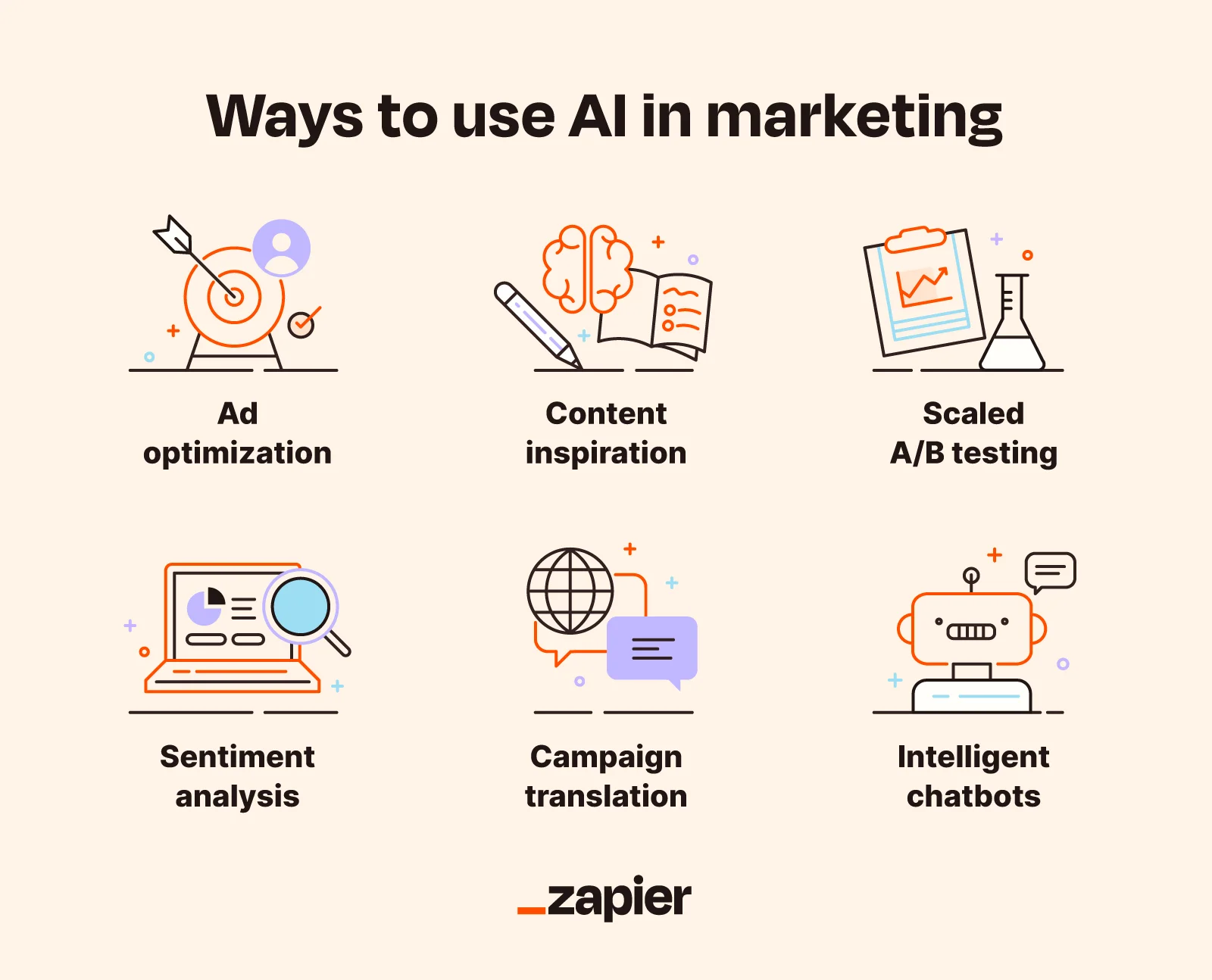
Natural language processing (NLP) allows AI systems to understand and analyze unstructured text data such as customer reviews, social media posts, and survey responses. By extracting sentiment and key themes, NLP helps marketers gauge customer opinions and emerging trends swiftly. This insight fuels better content creation and campaign adjustments to align with audience preferences. Still, relying solely on automated interpretations without human validation can lead to misreadings of nuanced customer feedback.
Predictive Analytics for Campaign Forecasting
Predictive analytics employs AI-driven models to forecast future customer behaviors and campaign performance based on historical data. This foresight aids marketers in allocating budgets efficiently, optimizing targeting, and adjusting strategies proactively. Importantly, predictive analytics must be combined with ongoing campaign monitoring to ensure forecasts remain aligned with shifting market conditions and customer expectations.
Automating the Data Collection Process
Integrating AI with Marketing Platforms
Many marketing teams struggle with data fragmentation caused by using multiple disconnected AI tools. Integrating AI solutions directly into existing marketing platforms creates a seamless data flow that ensures accuracy and coherence in reporting. For instance, automation platforms like Zapier AI and HubSpot Automation can synchronize diverse data sources, reducing manual data handling and avoiding errors. Choosing tools that align well with workflows is essential to minimize complexity and maximize productivity.
Real-Time Data Aggregation and Cleaning Techniques
Timely decision-making requires real-time data aggregation paired with automated cleaning processes to filter out inaccuracies and inconsistencies. AI-powered pipelines can continuously collect data, eliminate duplicates, and standardize formats without human intervention. This approach frees marketers from tedious manual tasks, enabling them to focus on interpreting insights rather than preparing datasets. Nevertheless, oversight remains necessary to ensure the cleaning processes do not inadvertently remove valuable information.
Using AI to Optimize Campaign Performance
Automated Segmentation and Personalization
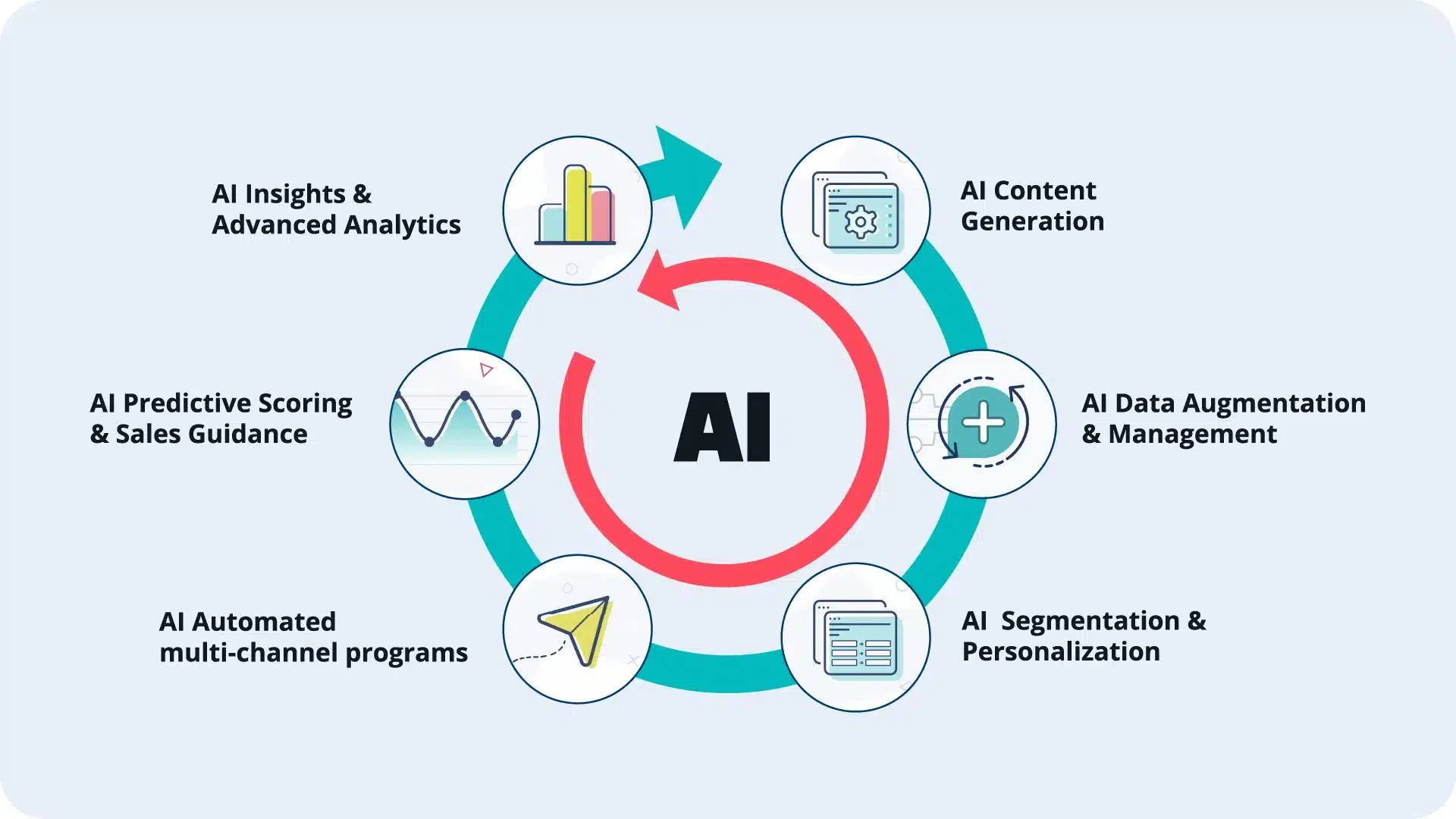
Targeting the right audience with personalized messages is the cornerstone of effective marketing. AI excels at segmenting customers into micro-groups based on behavior, preferences, and predicted needs. This segmentation supports hyper-personalized content delivery, which enhances engagement and conversion rates. However, over-reliance on AI-generated personalization without human refinement risks alienating customers if the messaging feels too mechanical or misses cultural sensitivities.
Dynamic Reporting Dashboards Powered by AI
Dynamic dashboards that leverage AI capabilities allow marketers to visualize campaign metrics and trends in real-time. These dashboards often feature natural language query systems, enabling users to ask complex questions without deep analytics expertise. By providing continuous, up-to-date insights, AI-driven reporting tools support agile marketing decisions and campaign adjustments. Marketers must ensure that these tools are integrated within a clear strategic framework to avoid data overload and misinterpretation.
Case Studies: Success Stories of AI-Driven Marketing Analytics
Retail Campaigns
In retail, AI-powered predictive analytics and personalization tools have transformed seasonal campaigns. By analyzing purchasing patterns and social sentiment, retailers have fine-tuned product recommendations and timing of promotions, leading to significant increases in sales and customer satisfaction. Automated content generation paired with real-time analytics enabled rapid campaign iterations, reflecting changes in consumer behavior almost instantly.
B2B Marketing Strategies
B2B marketers have benefited from AI’s ability to streamline lead scoring and nurture workflows. Integrating machine learning models into CRM systems has improved segmentation and enabled the delivery of tailored content that aligns with individual buyer journeys. Automated reporting and dashboards have reduced administrative burdens, freeing marketing teams to focus on strategic messaging and relationship-building activities.
Ethical Considerations and Limitations of AI Automation
Data Privacy and Security Concerns
While AI automates vast amounts of data processing, it also raises significant privacy and security concerns. Marketers must ensure compliance with regulations such as GDPR and CCPA, safeguarding customer information throughout data collection and analysis. Transparency in AI-driven processes and clear communication with customers about data usage are essential to maintain trust and avoid reputational risks.
Addressing AI Bias in Marketing Reports
AI systems can inadvertently perpetuate or amplify biases present in training data, leading to skewed marketing insights and unfair targeting. It is critical to regularly audit AI models for bias and incorporate human judgment to validate results. Ignoring these limitations can result in ethical pitfalls and harm brand integrity, especially when AI recommendations drive key marketing decisions.
Future Trends: AI Advancements in Marketing Data Automation
Integration with Augmented Analytics
Augmented analytics combines AI and machine learning with human intuition, creating tools that not only automate data preparation but also suggest insights and next best actions. This fusion is expected to further empower marketers by reducing reliance on data specialists while enhancing decision-making quality. Early adopters who integrate augmented analytics will gain a competitive edge through faster, more accurate campaign optimization.
The Role of AI in Cross-Channel Marketing Analytics
As marketing channels diversify, AI is poised to unify analytics across platforms, providing a holistic view of customer interactions and campaign effectiveness. Cross-channel AI analytics will identify complex attribution patterns and enable marketers to deliver consistent, personalized experiences regardless of channel. Successfully leveraging these advancements requires thoughtful integration and human oversight to balance automation with authentic brand engagement.