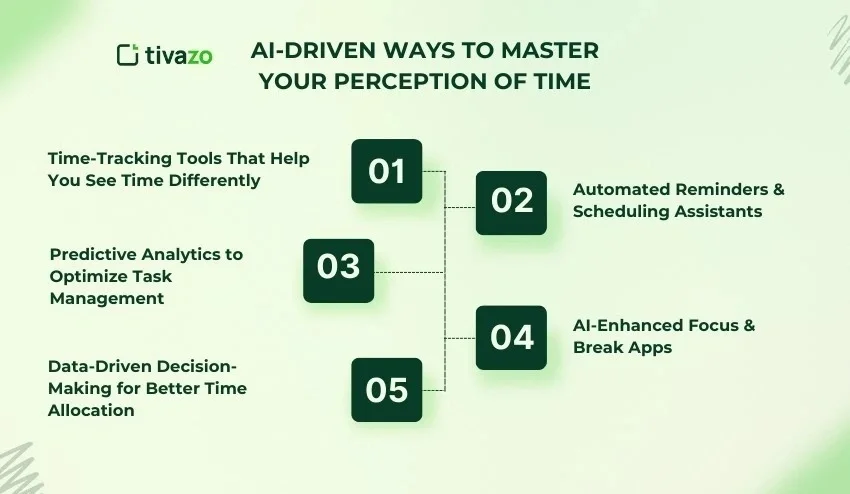
Introduction to AI-Driven Focus Timers
What Are AI-Driven Focus Timers?
In today’s fast-paced work environments, maintaining concentration can be challenging. AI-driven focus timers are advanced productivity tools designed to help individuals and teams allocate dedicated periods for deep, uninterrupted work. Unlike traditional timers, these solutions use artificial intelligence to adapt focus sessions dynamically, learning from work habits and patterns to optimize timing and break schedules. By doing so, they aim to reduce distractions, prevent burnout, and enhance overall work efficiency.
The Rise of Artificial Intelligence in Productivity Tools
The integration of artificial intelligence into productivity tools represents a significant shift from manual time management methods. AI’s ability to analyze data, predict interruptions, and customize workflows allows for smarter task prioritization and more efficient use of time. As a result, AI-powered timers have become invaluable for professionals seeking to structure their workdays effectively amidst an increasing volume of tasks and constant digital interruptions.
Understanding Distractions in the Modern Workplace
Common Causes of Distractions
Distractions at work stem from various sources, making it difficult for many to maintain focus. Frequent notifications from instant messaging, email, and social media platforms demand immediate attention, pulling users away from priority tasks. Additionally, multitasking and constant context switching fragment work sessions, leading to cognitive fatigue. Unnecessary meetings and pressure to be continuously responsive further exacerbate inefficiencies. These distractions are compounded by procrastination and the lack of a structured approach to managing time and tasks.
Impact of Distractions on Work Efficiency
When distractions interrupt workflow, the quality and speed of task completion suffer. Interruptions cause loss of focus, which can increase the time required to complete tasks and lead to errors. Over time, this reduces overall productivity and leads to increased stress, burnout, and poor work-life balance. Without clear goals or prioritization, workers often engage in reactive firefighting rather than proactive, strategic work, perpetuating inefficiencies and frustration.
Key Features of AI-Based Focus Timers
Smart Scheduling and Adaptive Time Management
One prominent feature of AI-driven focus timers is their ability to generate smart schedules. Instead of using fixed intervals, these timers adapt work and break periods based on personal productivity patterns and current workload. They allocate time blocks that fit an individual’s energy levels and cognitive capacity, ensuring optimal focus and recovery. This adaptive approach helps prevent burnout by enforcing structured breaks while maximizing deep work time.
Personalized Alerts and Distraction Blocking
AI focus timers often come equipped with personalized alert systems that notify users when to start or end work sessions, take breaks, or shift priorities. These alerts can adjust dynamically, based on ongoing performance analyses. Moreover, integration with distraction-blocking features enables the tool to filter notifications, silence non-urgent interruptions, or limit access to distracting websites during focus periods, allowing users to maintain concentration more easily.
Integration with Other Work Tools and Platforms
Seamless integration with communication platforms, calendars, and project management tools is another vital aspect of AI-driven focus timers. By connecting these systems, the timer can schedule work blocks around meetings, deadlines, and collaboration needs. AI can analyze incoming tasks and notifications to prioritize what deserves immediate attention, enabling a more organized workflow. This interconnectedness creates a cohesive productivity environment where time management aligns naturally with task management.
Benefits of Using AI-Driven Focus Timers
Enhanced Concentration and Reduced Interruptions
Employing AI-driven timers helps users guard their focus more effectively by minimizing interruptions. Tailored scheduling and intelligent notification filtering enable individuals to enter flow states more reliably. This targeted concentration leads to higher work quality and faster project completion. By reducing the frequency and impact of distractions, AI-driven focus timers help maintain sustained attention throughout the workday.
Improved Task Prioritization and Deadline Management
AI-powered timers do more than track time—they aid in organizing tasks by urgency and importance. By analyzing workloads and deadlines, these tools help users set clear goals for each session. This reduces multitasking and ensures that high-priority tasks receive the necessary focus. With intelligent reminders and deadline alerts, users can avoid last-minute rushes and improve overall deadline adherence, enhancing both individual and team productivity.
Long-term Productivity Gains
Consistent use of AI-driven focus timers fosters healthier work habits, including balanced periods of work and rest. This mitigates mental fatigue and prevents burnout, supporting sustainable productivity over time. By continuously learning from work habits and adjusting recommendations, AI tools help refine strategies that maximize efficiency. These long-term improvements translate into better work-life balance and higher job satisfaction.
Case Studies: Success Stories with AI Focus Timers
Tech Startups Implementing AI for Workflow Efficiency
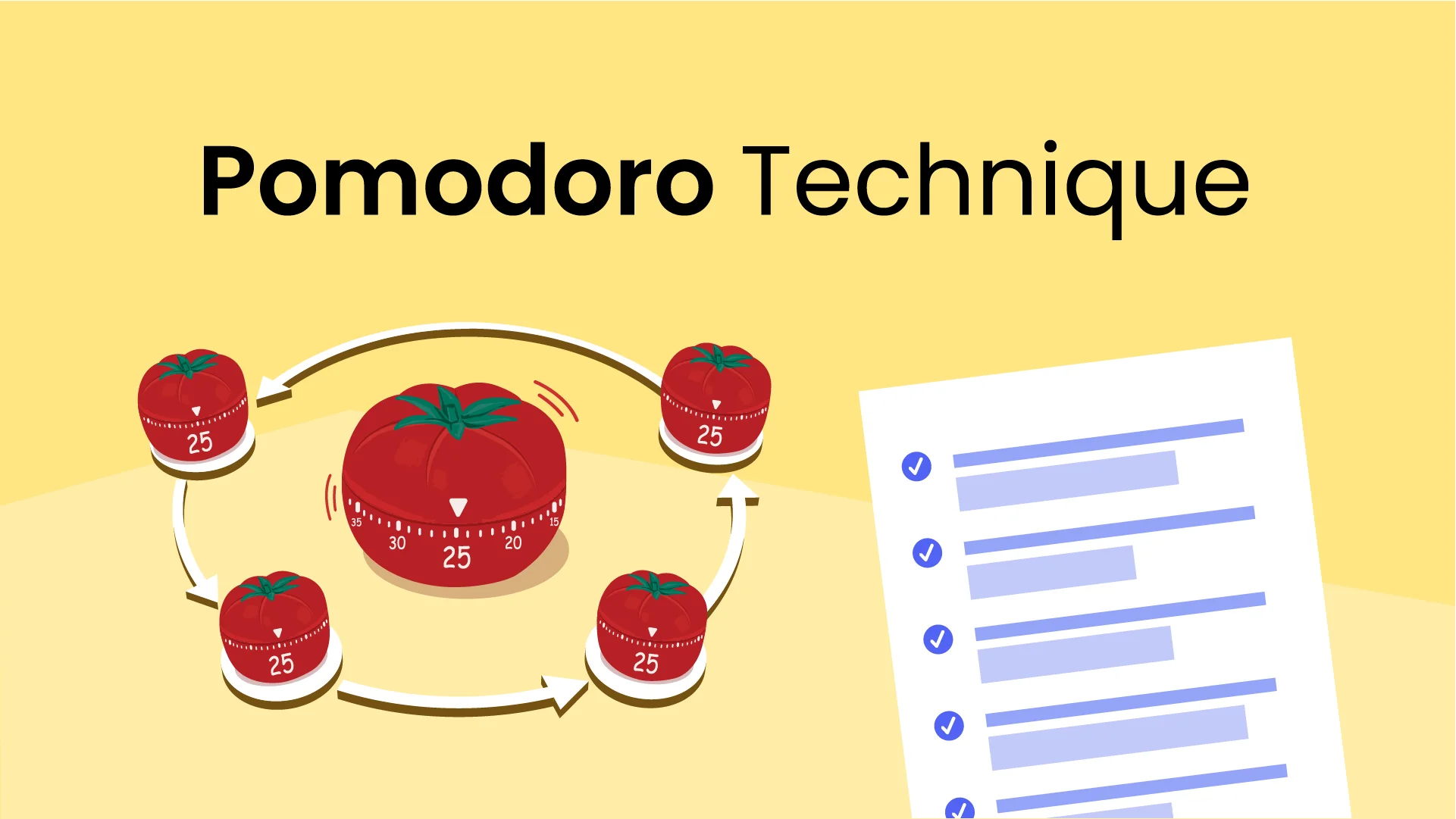
Several technology startups have embraced AI-based focus timers to tackle intense workloads and frequent interruptions. By automating scheduling and intelligently managing interruptions, these companies saw significant improvements in team collaboration and individual productivity. For instance, one startup reported a 30% increase in timely project deliveries after adopting AI-driven tools that optimized focus and break cycles.
Freelancers and Remote Workers’ Experiences
Freelancers and remote professionals often struggle to maintain discipline without structured office environments. AI-driven focus timers have provided these workers with personalized schedules that align with their peak focus hours, reducing procrastination and improving output quality. Users also appreciated the distraction-blocking features, which helped create dedicated focus periods despite the challenges of home-based work settings.
How to Choose the Right AI Focus Timer for You
Evaluating Features Based on Work Style
Selecting an AI-driven focus timer requires understanding your own work habits and priorities. If your tasks involve frequent interruptions, look for tools with robust distraction blocking and smart notification filtering. For project-driven roles, prioritization features and deadline tracking will be essential. Consider whether the timer allows customization of work and break intervals, and if it integrates well with your existing calendar and task management software.
Cost Considerations and Available Plans
AI focus timer solutions vary widely in cost, ranging from free basic versions to premium subscriptions for full-featured offerings. When evaluating plans, weigh the benefits of advanced features such as adaptive scheduling, AI-driven analytics, and integration capabilities against your budget. Keep in mind that investing in an effective tool can save significant time and reduce stress, leading to a strong return on investment.
Future Trends: The Evolution of AI in Time Management
Upcoming Innovations in AI-Powered Productivity Tools
The future of AI-driven time management is poised for even greater sophistication. Emerging tools will likely leverage deeper machine learning to predict mental fatigue, automatically suggest optimal task sequences, and provide real-time productivity coaching. Augmented reality and voice-controlled assistants may also enhance focus timer experiences, allowing for hands-free adjustments and more organic interactions that adapt fluidly to work environments.
Potential Challenges and Ethical Considerations
Despite these advances, challenges remain in balancing AI automation with personal autonomy. Overreliance on AI for scheduling and task prioritization might reduce critical thinking or lead to privacy concerns, especially when sensitive work data is analyzed. Ethical use of AI will demand transparency in algorithms and user control over data. Ensuring that AI tools support wellbeing without overwhelming users will be crucial as they become more integral to workplace productivity.