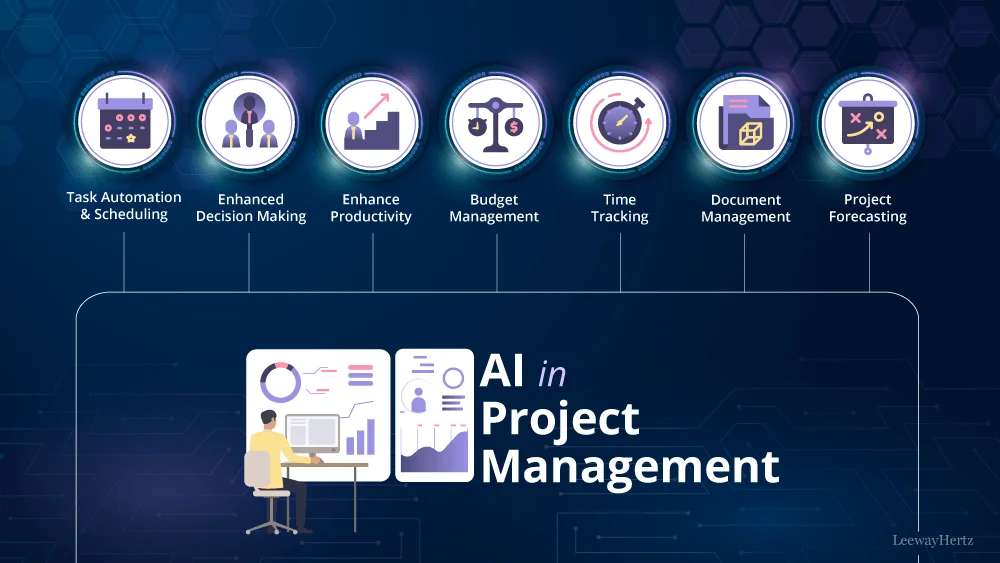
Introduction to AI in Project Management
The Evolution of Project Management Tools
Project management has transformed significantly over the years. What began as simple to-do lists and physical Gantt charts evolved into sophisticated software tools designed to track timelines, budgets, and resources. However, modern projects have become increasingly multifaceted, spanning multiple industries, geographic regions, and technical disciplines. Traditional tools such as spreadsheets or static timelines struggle to keep pace with the unpredictability and complexity involved. This evolution has made it clear that new, more intelligent solutions are necessary to manage projects effectively in today’s fast-moving environment.
Why AI is a Game Changer for Managing Deadlines
Artificial intelligence introduces capabilities beyond traditional project management systems. By leveraging AI, teams can handle uncertainties and real-time decision-making with greater agility. AI excels in analyzing large volumes of historical and real-time data to predict potential bottlenecks, allocate resources intelligently, and continuously adapt plans to current conditions. This proactive approach is vital for meeting deadlines, especially on complex projects like cloud migration where delays can cause substantial cost and operational impacts. In essence, AI doesn’t just track progress—it anticipates challenges and provides timely solutions to keep projects on course.
AI-Driven Task Automation
Streamlining Repetitive Processes
One of the most pressing challenges in project management is the burden of repetitive administrative tasks. These activities, while necessary, consume valuable time that could be devoted to more strategic work. AI addresses this by automating tasks such as scheduling meetings, sending reminders, and updating progress records. This eliminates human error and reduces the manual effort involved, allowing teams to focus on meeting critical milestones. Over time, automation driven by AI ensures smoother workflows, accelerating overall project delivery without sacrificing quality.
Reducing Manual Errors in Scheduling
Manual scheduling methods, such as spreadsheets or static calendars, are prone to errors, especially when frequent changes or dependencies occur. Even minor miscalculations or oversights can cascade into significant delays. AI mitigates this problem by dynamically adjusting schedules based on real-time data like resource availability, task progress, and shifting priorities. By continuously recalibrating timelines, AI reduces the risk of conflicting assignments or overlooked deadlines. This adaptive scheduling fosters more realistic timelines and minimizes disruptions caused by unforeseen obstacles, such as vendor delays or unexpected resource constraints.
Enhancing Team Collaboration with AI
Smart Communication Platforms
Effective collaboration is essential for project success, yet coordinating communication across dispersed teams is challenging. AI-powered communication platforms streamline interactions by intelligently filtering messages, prioritizing urgent updates, and facilitating seamless knowledge sharing. These systems integrate with project management tools to automatically provide relevant information, reducing noise and improving team focus. By fostering clearer and more efficient communication, AI helps prevent misunderstandings that could otherwise lead to delays and scope creep.
AI for Resource Allocation and Workload Balancing
Resource allocation is often a complex balancing act, complicated by shifting priorities and varied team member capacities. Without proper visibility into workloads, managers may overburden some employees while underutilizing others, causing bottlenecks. AI analyzes historical data and current work status to optimize the deployment of resources, ensuring tasks are assigned based on real-time availability and expertise. This intelligent balancing prevents burnout, enhances productivity, and keeps projects progressing smoothly toward deadlines.
Real-Time Deadline Tracking and Forecasting
Predictive Analytics in Deadline Management
Over-optimistic timelines and static planning methods often lead to missed deadlines. AI changes this by applying predictive analytics to project data, providing realistic delivery estimates and identifying risks well in advance. By examining patterns from previous projects and current progress, AI forecasts potential delays, enabling teams to make informed adjustments before issues escalate. This forward-looking capability transforms project management from reactive firefighting to proactive planning.
How AI Alerts Prevent Missed Deadlines
Infrequent manual progress tracking can create blind spots where minor delays grow unnoticed until it’s too late. AI-powered tools continuously monitor project status and automatically generate alerts when milestones or tasks are at risk. These timely notifications empower project managers to take corrective action promptly. Early detection of bottlenecks or resource shortages allows for dynamic schedule adjustments and risk mitigation, helping teams stay aligned with their deadlines and reducing costly overruns.
Case Studies: Successful AI Implementation
Industry Examples of Improved Efficiency
Various industries have reported significant improvements in project outcomes through AI adoption. For example, technology companies managing cloud migrations have used AI to simulate what-if scenarios, optimizing phased rollouts and minimizing downtime. Construction firms leverage AI to balance workforce allocation across multiple sites, reducing both delays and budget overruns. These successes highlight how AI’s analytical power and adaptability provide practical value in complex environments where traditional methods fall short.
Lessons Learned and Best Practices
From these cases, several best practices emerge. Early integration of AI tools during the project planning phase ensures better risk anticipation and resource optimization. Gradual adoption, starting with automating routine tasks, helps teams adapt comfortably. Personalizing AI insights to the specific context of each project enhances relevance and usefulness. Importantly, continuous monitoring and feedback loops maintain the alignment of AI tools with evolving project needs, driving sustained improvements in efficiency and deadline adherence.
Steps to Integrate AI into Your Project Management Workflow
Choosing the Right AI Tools
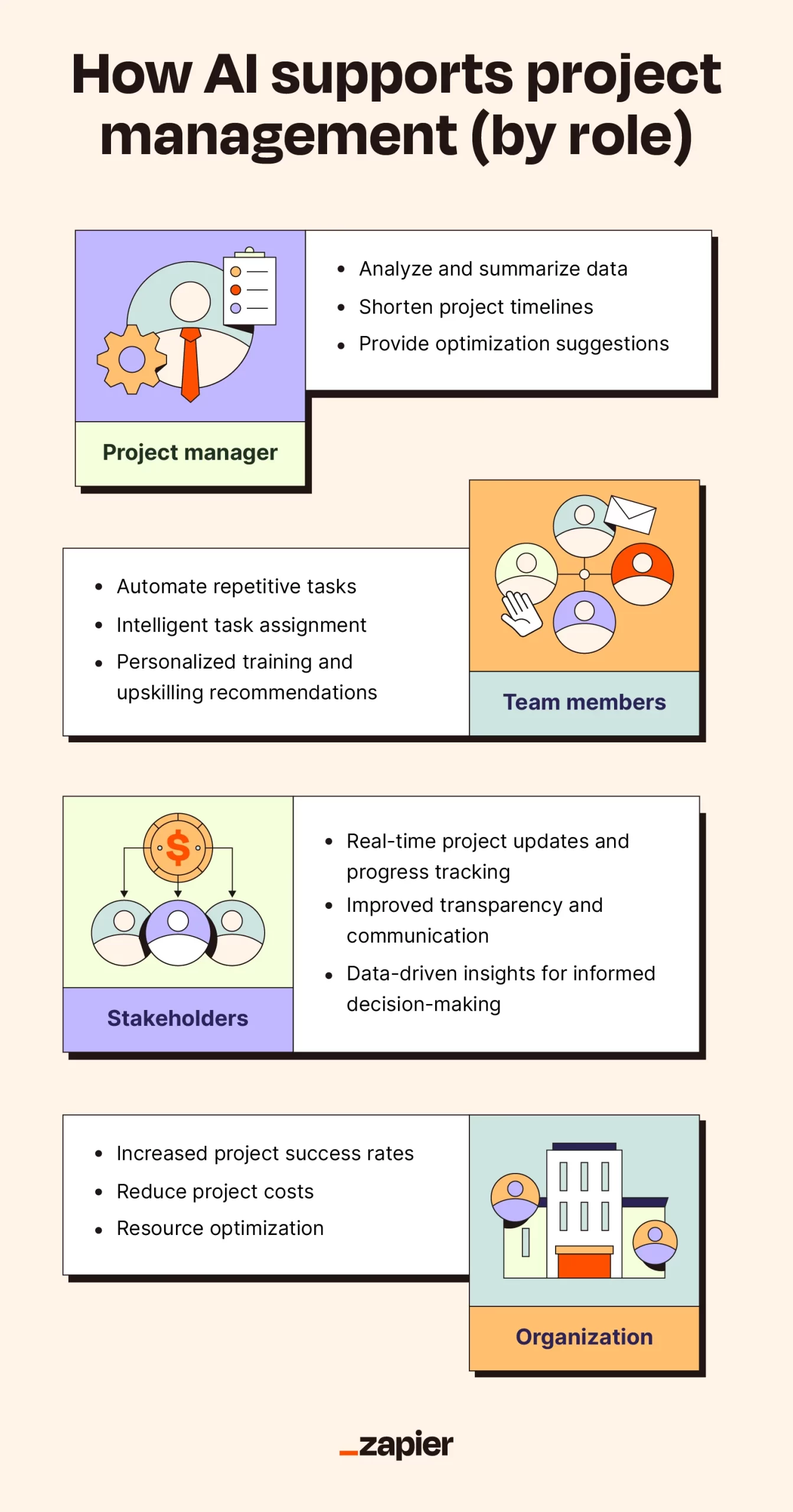
The selection of AI tools should align with your project’s unique complexity and requirements. Look for solutions offering predictive analytics, real-time tracking, and intelligent resource management capabilities. Integration with existing communication platforms and project management systems is also crucial to avoid workflow disruptions. Prioritize tools that allow customization, ensuring the AI insights and alerts are tailored to your team’s processes and objectives.
Training Your Team for AI Adoption
Implementing AI is not just about technology; it requires preparing your team to use new tools effectively. Provide training to enhance familiarity with AI features and best practices for interpreting AI-generated insights. Encourage gradual adoption by initially automating simple tasks and progressively leveraging advanced functionalities. Developing a culture that embraces data-driven decision-making rather than intuition helps maximize the benefits of AI in managing projects and deadlines.
Conclusion: The Future of Project Management with AI
AI stands as a pivotal advancement that addresses the growing challenges of modern project management. By automating repetitive tasks, enhancing collaboration, optimizing resources, and providing real-time predictive insights, AI transforms how projects are planned and executed. Teams equipped with AI-driven tools can anticipate risks, adapt quickly to changes, and maintain realistic deadlines even in complex environments. As AI technologies continue to evolve, they will undoubtedly become integral to successful project management, enabling organizations to deliver results with greater confidence and efficiency.