Introduction to IoT in Smart Irrigation
Understanding IoT and Its Role in Agriculture
The Internet of Things (IoT) has become a transformative force across various industries, and agriculture is no exception. At its core, IoT refers to the interconnection of devices embedded with sensors, software, and other technologies, allowing them to collect and exchange data. In agriculture, this connectivity enables farmers to monitor their crops and soil conditions in real time, making decisions not just based on observation, but on detailed, precise data.
For small farms, where resources and labor may be limited, IoT offers a way to bridge gaps caused by traditional irrigation methods. Instead of relying on fixed schedules or manual checks, farmers can tap into continuous streams of information about their fields. This allows them to understand exactly when and how much to irrigate, optimizing water use while promoting crop health.
Benefits of Automation for Small Farms
Imagine a small vegetable farm where water is a scarce resource. Traditionally, the farmer might water daily at fixed times, regardless of the soil condition or weather changes, leading to waste and sometimes overwatering that harms plant roots. By automating irrigation through IoT, such a farm gains several advantages.
Automation reduces the labor intensity and guesswork associated with irrigation. The system adjusts watering schedules based on real-time soil moisture and weather data, preventing water overuse and improving crop yields. Additionally, by preventing water and fertilizer runoff, automation helps protect the environment, supporting sustainable farming practices that small farms increasingly need to adopt to stay viable.
Key Components of IoT-Enabled Smart Irrigation Systems
Sensors and Data Collection
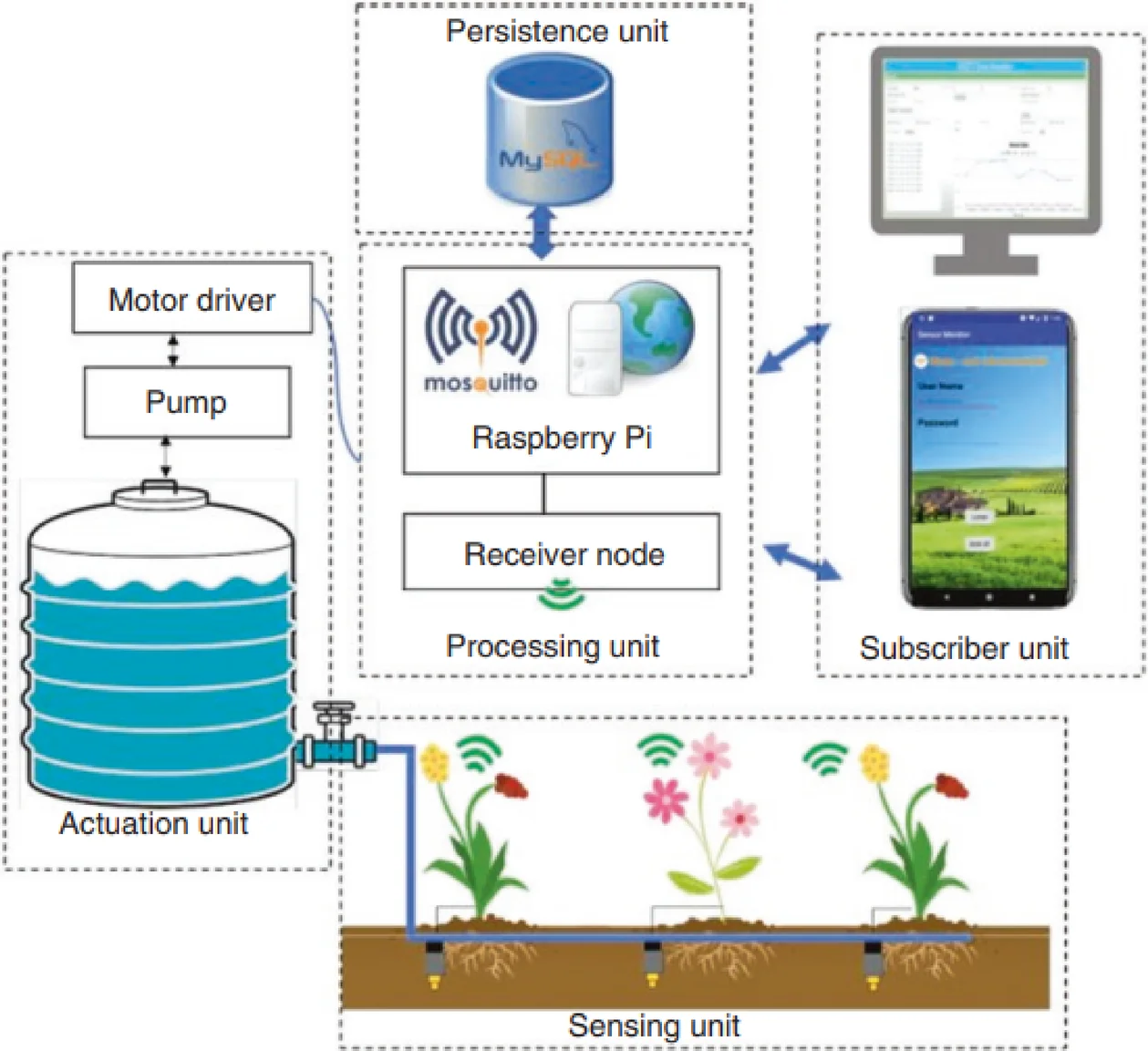
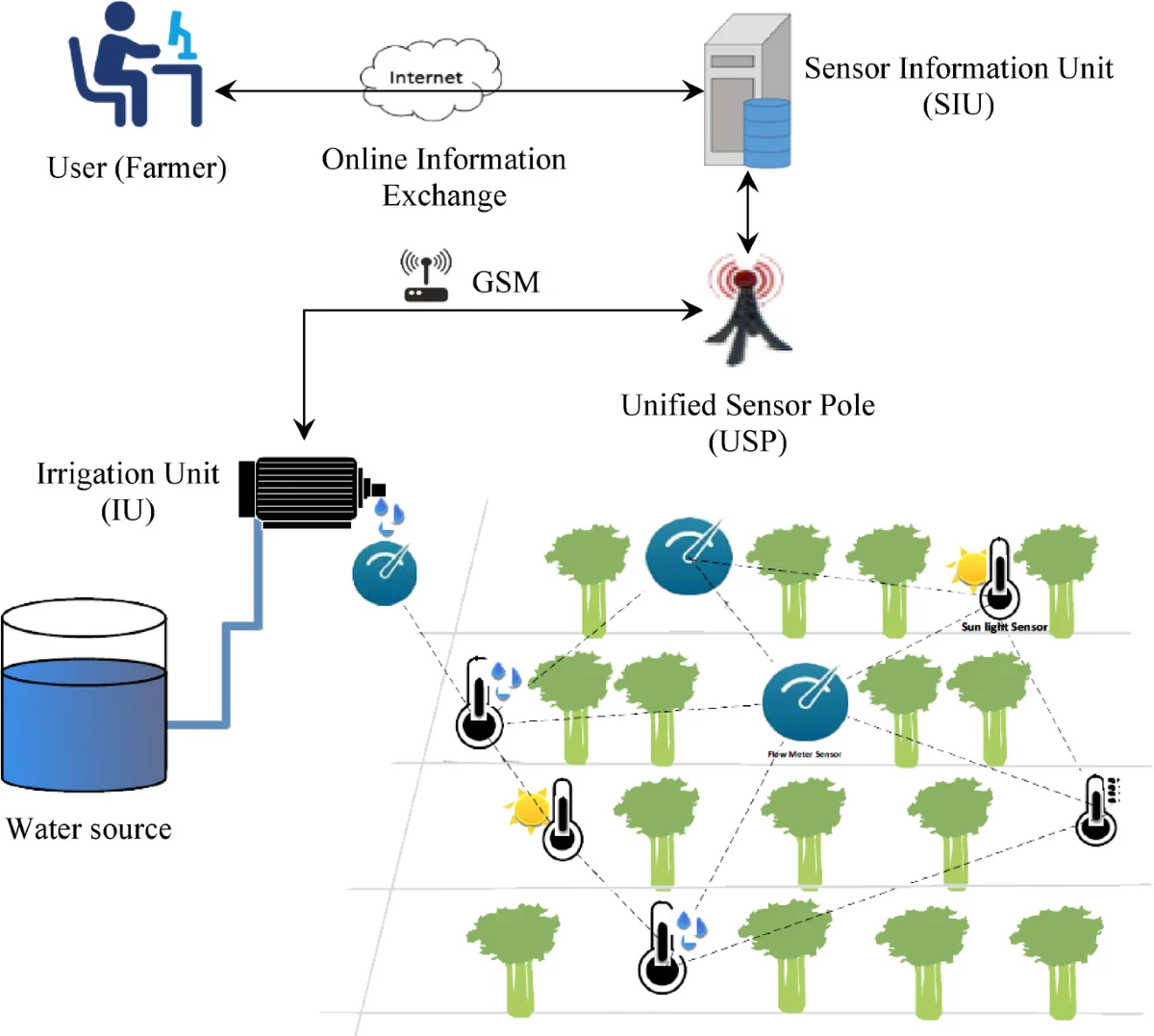
The foundation of any smart irrigation system lies in its sensors. These devices continuously measure soil moisture, temperature, humidity, and even nutrient levels. For instance, a farmer growing strawberries may deploy soil moisture sensors at various depths to understand water availability near the roots. This data paints a detailed picture of the crop’s immediate environment, allowing for precise control.
Apart from soil sensors, smart irrigation systems often include weather sensors or connect to local weather stations. These inputs provide forecasts and real-time atmospheric information that influence irrigation needs, such as impending rainfall or high temperatures that increase evapotranspiration.
Connectivity and Communication Technologies
To function effectively, IoT devices require reliable connectivity to transmit collected data and receive commands. Small farms often face challenges because rural areas may lack robust internet infrastructure. To overcome these barriers, farms utilize various communication technologies such as cellular networks, low-power wide-area networks (LPWAN), or even satellite internet solutions.
Consider a vineyard located in a remote area where traditional Wi-Fi is unavailable. The farm might deploy sensors connected via LPWAN — a technology designed for long-range, low-bandwidth communication — enabling the system to remain connected without expensive infrastructure investments.
Control Units and Actuators
Once data is gathered and analyzed, control units act as the brain of the system, making irrigation decisions. These units send commands to actuators like valves or pumps, turning water flow on or off precisely when needed. For example, a tomato farmer might set thresholds on soil moisture levels; when readings drop below a certain point, valves open to irrigate just the right amount until optimal moisture is restored.
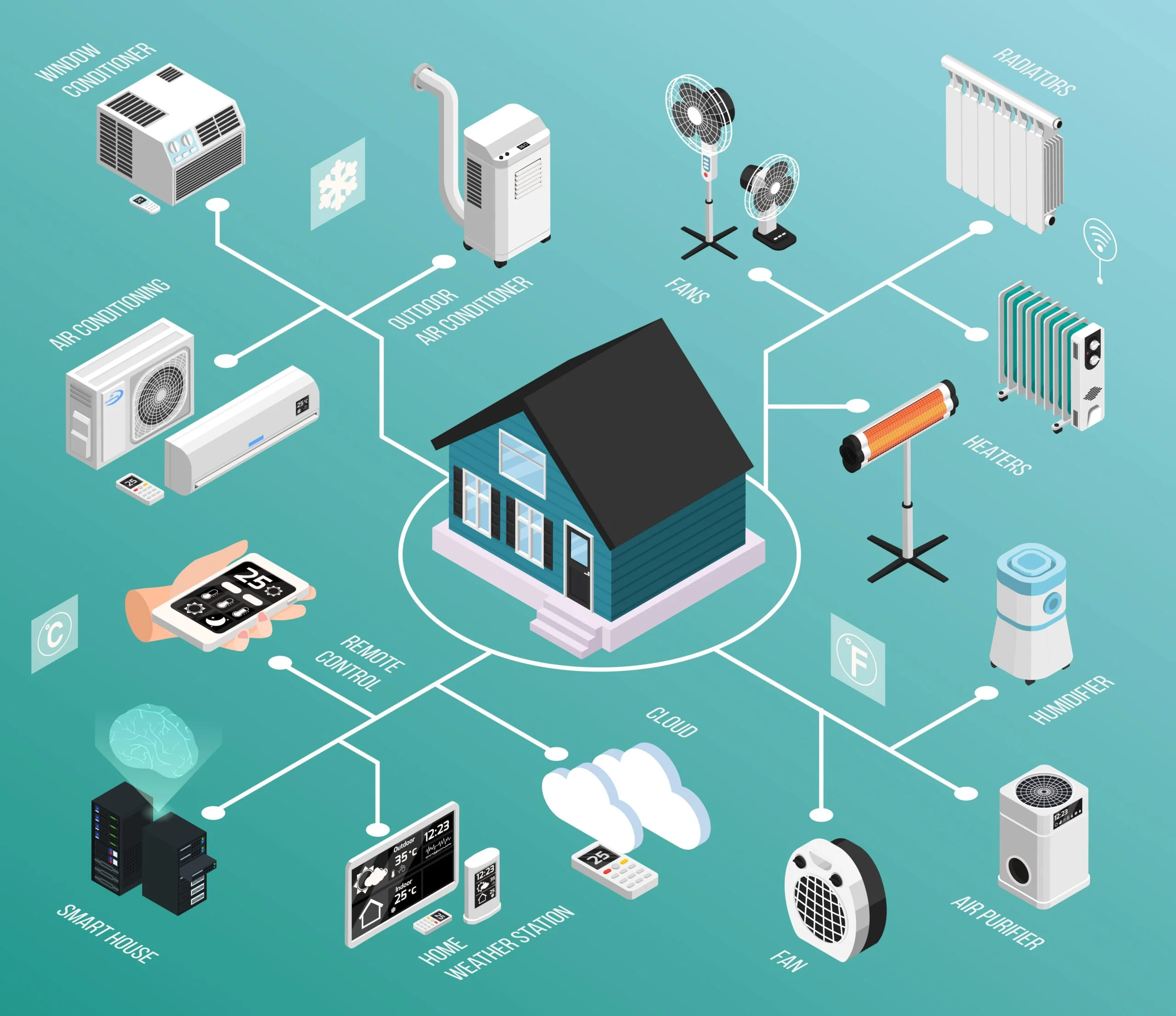
Modern control units often feature user-friendly interfaces accessible via smartphones or computers, allowing farmers to monitor conditions and adjust settings remotely. This hands-off approach not only saves time but also ensures irrigation is responsive to changing conditions.
Implementing IoT for Efficient Water Management
Soil Moisture Monitoring Techniques
Effective irrigation begins with an accurate understanding of soil moisture. Unlike traditional methods where a farmer might dig into the soil or simply follow a fixed watering schedule, IoT sensors provide continuous, precise measurements at multiple field points. This granular data reveals dry zones that require more attention and wetter areas where irrigation can be reduced.
One user story involves a small organic farm facing irregular rainfall. By deploying moisture sensors, the farmer was alerted when certain zones dried quicker than expected, adjusting irrigation manually at first and later automating it. The result was healthier plants and a 30% reduction in water usage over the season.
Weather Data Integration for Precision Irrigation
Integrating weather data dramatically refines irrigation schedules. For example, if sensors detect a prediction of rain in the afternoon, the system can delay or skip watering to conserve water and prevent runoff. Conversely, during heat waves, the system can increase watering frequency to avoid crop stress.
One small farm in California faced challenges from drought and high temperatures. By synchronizing its irrigation with local weather forecasts and real-time humidity readings, the farm avoided unnecessary watering, protecting plants and preserving a precious water supply.
Scheduling and Automated Watering
Manual irrigation often relies on fixed schedules, which may overlook sudden environmental changes. Automation, powered by IoT, allows schedules to be dynamic and adaptable. A small farm growing peppers implemented automated watering linked directly to sensor data. On some days, the system watered twice; on others, it skipped watering completely due to sufficient soil moisture, saving time and labor.
This flexibility also reduces risks of overwatering and under-watering, both of which can lead to crop diseases or stunted growth. Automation guarantees that each planting area receives water tailored to its current needs rather than an arbitrary routine.
Challenges and Solutions in Small Farm IoT Deployment
Cost Considerations and Budgeting
Adopting IoT technology involves upfront costs that can deter small-scale farmers operating on tight budgets. Sensors, connectivity solutions, and control systems require investment not just in hardware, but also in installation and training. However, these costs can be managed by phasing the implementation or choosing scalable, modular systems that farmers can expand over time.
For instance, a small herb farm initially deployed soil moisture sensors on a trial basis in its most water-sensitive plots. Once benefits were observed in water savings and crop quality, the farmer secured a small loan to expand IoT coverage, turning the investment into increased profitability over the next season.
Technical Barriers and Maintenance
Maintaining IoT systems requires some technical knowledge, which can challenge farmers unfamiliar with electronics or software. Regular calibration of sensors and prompt troubleshooting are necessary to maintain accuracy. Partnering with local tech support services or agricultural extension programs can help bridge this gap.
In one scenario, a small dairy farm combined IoT irrigation with crop fields but struggled initially due to poor sensor calibration. After attending a workshop on sensor maintenance, the farmer learned to troubleshoot common issues, keeping the system running smoothly and avoiding irrigation errors.
Data Privacy and Security Measures
With data flowing constantly from the farm to cloud platforms, privacy and cybersecurity become important. Farmers must ensure their devices use secure communication protocols and that third-party providers adhere to stringent data protection standards. Being vigilant about password management and using encrypted networks helps prevent unauthorized access.
Some IoT platforms offer built-in security features specifically designed for agricultural use, giving small farm operators peace of mind that their data and operations remain safe from tampering or breaches.
Case Studies: Success Stories on Small Farms
Farm A: Increased Crop Yield through IoT
Farm A, a small-scale vegetable grower in the Midwest, struggled with uneven crop growth due to inconsistent watering. After deploying a smart irrigation system with soil moisture sensors, the farmer noticed immediate improvements. The data-driven irrigation approach allowed targeted watering, especially during dry spells.
By the end of the first season, Farm A reported a 20% increase in crop yield and a significant reduction in water waste. The system also cut down manual labor hours, giving the farmer more time to focus on other critical farm tasks.
Farm B: Water Conservation Achieved with Smart Systems
Farm B, located in a drought-prone region, faced strict water usage regulations. Traditional irrigation methods led to water overuse and penalties. The farm invested in IoT-enabled irrigation controllers that adjusted watering schedules automatically based on sensor and weather data.
Within a year, Farm B reduced water consumption by nearly 40%. The smart system prevented runoff and ensured that crops received water only when necessary, contributing to both environmental stewardship and regulatory compliance.
Future Trends and Innovations in IoT Irrigation for Small Farms
AI and Machine Learning Enhancements
The next wave of smart irrigation leverages artificial intelligence (AI) and machine learning to analyze vast datasets collected by IoT devices. These technologies go beyond simple threshold-based decisions, identifying patterns and predicting irrigation needs days or weeks ahead.
For instance, an AI-powered system on a small berry farm could learn from historical weather trends, soil responses, and plant growth cycles. It might recommend customized watering and fertilization plans that dynamically adapt as conditions evolve, optimizing yields while reducing input costs.
Integration with Renewable Energy Sources
As sustainable farming gains traction, IoT irrigation systems increasingly integrate with renewable energy sources such as solar and wind power. Small farms can power their sensors and automated pumps independently, lowering energy costs and reducing carbon footprints.
A small coffee farm in Central America combined solar panels with its smart irrigation setup. The system operated off-grid, ensuring irrigation continued uninterrupted during power outages, while placing minimal strain on local resources.
Conclusion: Maximizing Farm Productivity with IoT Automation
IoT automation is revolutionizing irrigation management, particularly for small farms where optimizing water use and labor can make a significant difference. By incorporating sensors, connectivity, and smart control systems, farmers gain a nuanced understanding of their crop needs backed by real-time data.
These technologies help curb water waste, reduce environmental impact, and improve crop quality, all while easing the demands on farmers’ time. Although challenges like cost and technical barriers exist, practical solutions and ongoing innovations make IoT an increasingly accessible and valuable tool for small-scale agriculture.
Ultimately, adopting IoT-enabled smart irrigation equips small farm operators to meet today’s sustainability goals and tomorrow’s productivity challenges, securing farm viability and fostering more resilient food systems.