
Introduction to AI in Office Automation
In today’s fast-paced business environment, office productivity hinges largely on efficient data management and streamlined workflows. Artificial Intelligence (AI) is increasingly becoming a pivotal tool in automating routine and repetitive office tasks, particularly data entry and reporting. By integrating AI-driven automation, organizations can shift focus from mundane activities to strategic, creative, and value-adding work. This transition not only accelerates workflows but also enhances accuracy, consistency, and decision-making capabilities within modern workplaces.
Understanding Data Entry Challenges in Modern Workplaces
Common Errors and Time Consumption
Data entry is often viewed as a straightforward task, yet the process is fraught with challenges that impact operational efficiency. Manual data entry is prone to human errors such as typos, omissions, and inconsistencies that can lead to flawed datasets. Repetitive entry of vast volumes of similar information consumes considerable employee time, diverting attention from more impactful responsibilities. Furthermore, these errors require additional time for verification and correction, compounding delays and increasing operational costs.
Impact on Employee Productivity
The burden of tedious data entry tasks can significantly reduce employee satisfaction and overall productivity. When employees remain engaged primarily in repetitive, low-value tasks, motivation wanes and retention rates may decline. Teams in sales and marketing, for example, often spend more time on administrative duties than on creative or client-facing activities, which limits innovation and revenue generation. As a result, organizations face the dual challenge of inefficient workflows and diminished employee engagement.
How AI Transforms Data Entry Processes
Types of AI Technologies Used
AI technologies encompass a broad spectrum of solutions tailored to automate and enhance data entry. Machine learning algorithms enable systems to learn and improve from data patterns, reducing errors over time. Optical Character Recognition (OCR) converts handwritten or printed text into digital format, speeding up the input process. Natural Language Processing (NLP) allows AI to interpret and process unstructured data such as emails or transcripts, making it easier to capture relevant information without manual input.
Examples of AI Data Entry Tools
There are several AI-powered tools designed specifically to address data entry inefficiencies. Automated capture software can extract data from invoices, forms, and receipts with minimal human intervention. AI meeting transcription services generate detailed notes and summaries, reducing the need for manual recording. Virtual assistants can manage scheduling and email organization, indirectly minimizing the data entry workload by structuring information automatically. These tools not only accelerate data collection but also improve the quality and accessibility of information.
Automated Reporting with AI
Real-Time Data Analysis and Visualization
AI-driven reporting systems facilitate real-time data analysis, offering dynamic insights that traditional reporting methods struggle to provide promptly. By continuously processing large volumes of information, AI tools can detect trends, anomalies, and performance metrics instantly. Visualization capabilities transform raw data into intuitive charts and dashboards, enabling decision-makers to grasp complex information quickly without manual data compilation.
Customizable Reporting Features
Modern AI reporting platforms emphasize flexibility by allowing users to tailor reports according to specific business needs. Customizable templates enable departments to focus on relevant key performance indicators (KPIs) and drill down into detailed segments as required. This adaptability not only enhances report relevance but also empowers teams to generate targeted insights that support strategic initiatives more effectively.
Benefits of AI-Driven Automation for Office Productivity
Reduction in Manual Labor
One of the most immediate advantages of using AI in data entry and reporting is the significant reduction in manual labor. By automating routine and high-frequency tasks, AI frees employees to concentrate on higher-value activities that demand creativity and strategic thinking. This shift enhances workforce efficiency and allows organizations to allocate resources more effectively.
Improved Accuracy and Consistency
AI systems are less prone to the errors that typically accompany human data entry. Their ability to maintain consistent processing standards results in cleaner, more reliable datasets. Enhanced accuracy reduces the need for time-consuming corrections, ensures compliance with quality standards, and supports more confident decision-making based on trustworthy information.
Faster Decision-Making
Automated data collection and real-time reporting accelerate the decision-making process by delivering actionable insights promptly. With AI streamlining information flow and analysis, managers and executives gain immediate access to relevant data, enabling them to respond swiftly to market changes, operational challenges, or emerging opportunities. This agility is crucial for maintaining competitiveness in rapidly evolving industries.
Implementing AI Solutions: Best Practices
Evaluating Office Needs
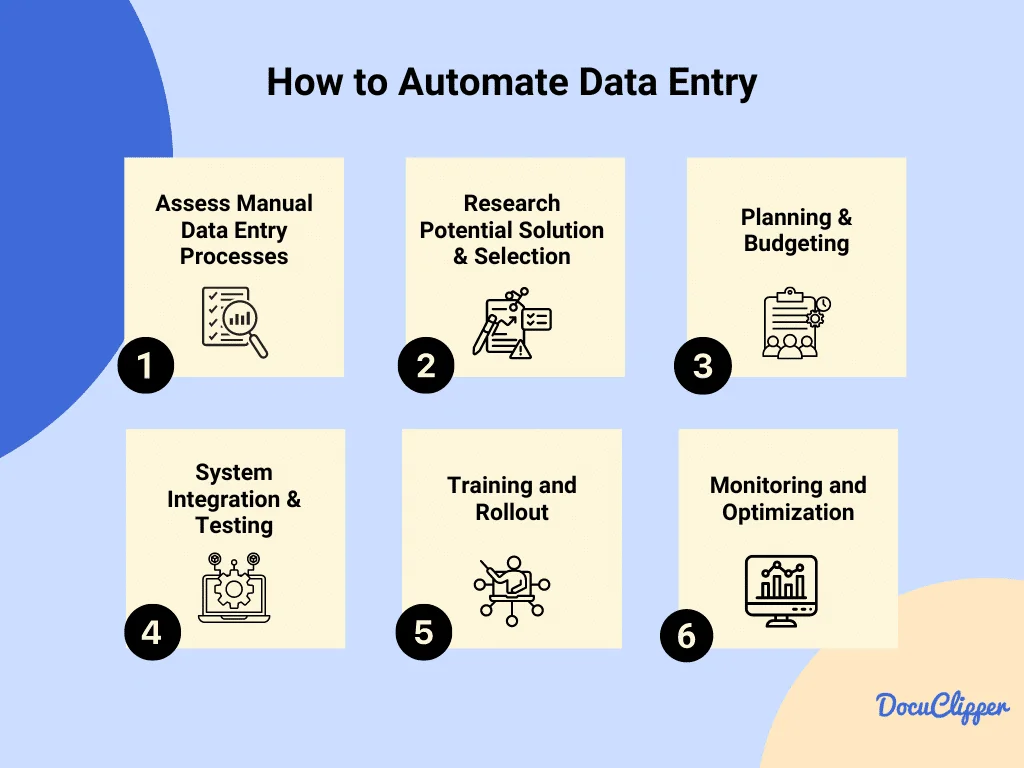
Successful AI adoption begins with a thorough evaluation of office workflows and pain points. It is important to assess which tasks are repetitive, time-consuming, and suitable for automation without compromising quality or requiring complex human judgment. Defining clear objectives and setting parameters for AI implementation helps in selecting the right tools and ensuring alignment with organizational goals.
Training Staff for Seamless Integration
Introducing AI tools necessitates comprehensive employee training and support to foster smooth integration. Staff should understand how to use AI solutions effectively and recognize the value these tools add to their daily work. Providing ongoing educational resources and encouraging a culture of innovation are essential to overcoming resistance and unlocking the full potential of AI within the organization.
Potential Challenges and How to Overcome Them
Data Security Concerns
AI adoption raises important data security and privacy considerations. Protecting sensitive information requires rigorous governance, secure AI platforms, and regular system updates. Organizations must establish policies and controls to mitigate risks associated with data breaches or unauthorized access, ensuring compliance with regulatory standards and building trust among employees and clients.
Resistance to Change
Resistance from employees is a common obstacle in AI implementation. Concerns about job displacement or unfamiliarity with new technologies can hinder acceptance. Addressing this challenge involves clear communication about AI’s role as a tool to augment rather than replace human work. Involving staff in the adoption process and highlighting the benefits for their professional growth can facilitate smoother transitions.
Future Trends in AI and Office Automation
The future of AI in office automation is marked by continuous advancements in machine learning, natural language processing, and generative AI capabilities. These developments are expected to deepen AI’s role in complex decision support, personalized customer interactions, and cross-functional workflow automation. Integration of AI-powered virtual assistants and enhanced cybersecurity monitoring will further boost operational efficiency. Organizations that embrace these trends will maintain a competitive edge through agility, innovation, and sustained productivity gains.
Conclusion: Embracing AI for Enhanced Workplace Efficiency
Artificial Intelligence presents a transformative opportunity to revolutionize data entry and reporting in office environments. By thoughtfully integrating AI-driven automation, businesses can overcome common challenges related to errors, time consumption, and low employee engagement. The benefits—ranging from reduced manual labor and improved accuracy to faster, data-informed decision-making—underscore AI’s potential to enhance overall workplace efficiency. Careful implementation guided by best practices and awareness of potential challenges will ensure organizations harness AI’s full advantages, driving productivity and innovation well into the future.


