
Introduction to AI-Driven Work Pattern Analysis
Overview of AI Technologies in the Workplace
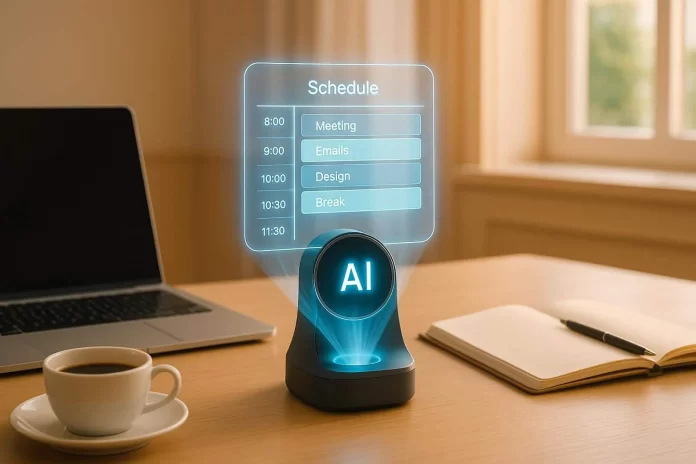
Artificial intelligence has rapidly emerged as a transformative force in modern workplaces. By embedding AI tools in daily workflows, businesses can accelerate routine tasks such as writing, data analysis, and administrative work. These technologies range from AI-powered digital assistants and automated scheduling systems to more advanced machine learning algorithms that analyze work habits and optimize task management. However, while AI enhances many processes, it also introduces complexities that require careful management to avoid pitfalls like increased productivity expectations and longer work hours.
The Importance of Identifying Time-Wasting Activities
Understanding where time is lost during the workday is crucial for improving efficiency. Many organizations struggle with issues like complex project schedules, multiple deadlines, fragmented tools, and context switching, which reduce focus and increase cognitive load. Without clear visibility into how time is allocated, planning becomes inefficient, and employees face burnout and frustration. AI-driven work pattern analysis provides an innovative way to identify these hidden inefficiencies and pinpoint opportunities to save time, enabling employees to focus on higher-value activities that require creativity and judgment.
How AI Detects and Analyzes Work Patterns
Data Collection Methods: From Digital Footprints to Biometric Inputs
AI systems rely on a wide range of data to analyze work patterns accurately. Digital footprints, including calendar entries, email interactions, document edits, and application usage, offer a detailed view of an employee’s daily activities. Some advanced setups also incorporate biometric data, such as heart rate variability and eye movement, to assess focus and fatigue. By aggregating these diverse inputs, AI models can construct a comprehensive picture of how time is spent and detect when inefficient habits emerge.
Machine Learning Models for Pattern Recognition
Once data is collected, machine learning algorithms sift through the vast information to identify patterns and anomalies. These models recognize repetitive tasks, frequent context switches, and overlapping deadlines that contribute to wasted time. For example, AI can highlight how often employees switch between projects or how meeting overload consumes potential focus hours. Over time, these systems become adept at predicting bottlenecks and suggesting schedules that align with natural productivity rhythms, thus reducing cognitive costs and improving overall workflow management.
Implementing AI Solutions to Enhance Office Productivity
Real-Time Monitoring and Feedback Systems
One powerful application of AI is providing real-time monitoring and feedback to employees and managers. By integrating AI-enhanced meeting environments, organizations can deliver live transcription, summarization, and automated task tracking, making hybrid and in-person meetings more efficient. Additionally, AI can alert users when they are deviating from optimal work patterns or when their calendars become overloaded, encouraging timely adjustments that prevent burnout and maintain productivity.
Automating Routine Tasks to Reduce Manual Work
Routine and repetitive tasks often consume valuable time that could be better spent on creative and strategic activities. AI tools such as task managers, digital assistants, and scheduling bots automate processes like drafting emails, managing reminders, prioritizing tasks, and even rescheduling meetings based on learned preferences. By streamlining administrative duties, employees gain more uninterrupted time for focused work, ultimately enhancing job satisfaction and output quality.
Case Studies: Successful AI Integration in Office Environments
Tech Companies Leading the Way
Leading technology firms have demonstrated the benefits of AI in transforming office productivity. These companies intentionally redesign workplace strategies to convert AI-generated capacity into real time savings, emphasizing collaboration and high-value interactions instead of traditional desk-based presence. They deploy AI-driven scheduling tools that dynamically adjust calendars to protect focus time and use integrated platforms to reduce the cognitive cost of context switching, resulting in smoother project delivery and more engaged employees.
Impact on Employee Efficiency and Satisfaction
The integration of AI technologies has not only boosted efficiency but also improved employee satisfaction in these environments. By reducing digital clutter and simplifying task management, employees report feeling less overwhelmed by competing demands. Clear policies around work hours and AI-assisted tasks help maintain better work-life balance, while AI analytics provide insights that empower individuals and managers to tailor work rhythms to their needs. This alignment leads to higher motivation and reduced burnout risks.
Potential Challenges and Ethical Considerations
Privacy Concerns and Data Security
The use of AI to monitor work patterns inevitably raises privacy and security issues. Collecting detailed data, especially biometric inputs, can feel intrusive if not managed transparently and ethically. Organizations must ensure robust data protection measures, clear communication about what data is collected and how it is used, and obtain informed consent from employees. Balancing technological benefits with respect for individual privacy is essential for trust and successful AI adoption.
Balancing Automation with Human Judgment
While AI excels at automating routine work and analyzing patterns, human judgment remains irreplaceable in many decision-making contexts. Overreliance on AI risks devaluing emotional intelligence, creativity, and empathy—qualities critical for collaboration and innovation. Companies need to establish clear guidelines defining the roles of AI and human workers, ensuring AI supports rather than replaces thoughtful human input, and safeguarding against excessive automation that could extend work hours or increase cognitive demands.
Future Trends: AI and the Evolution of Workplace Efficiency
Predictive Analytics and Proactive Productivity Management
Looking ahead, AI-powered predictive analytics will increasingly enable proactive management of productivity. By anticipating workload peaks, potential bottlenecks, and employee focus fluctuations, AI can recommend adjustments before inefficiencies occur. This shift from reactive problem-solving to proactive intervention promises more balanced workloads and sustained high performance, as well as data-driven insights that help organizations continuously refine their work environments and processes.
Hybrid Models Combining AI Insights with Human Creativity
The future of workplace efficiency lies in hybrid models where AI provides deep insights and automation while humans contribute creativity, judgment, and collaboration. Such models will leverage AI tools to manage scheduling, task prioritization, and data consolidation, freeing employees to focus on innovation and interpersonal interactions. As workplace strategies evolve to incorporate pulse occupancy and purpose-driven spaces, AI will be instrumental in enabling flexible, human-centered work rhythms that balance high output with well-being.


