
Introduction to AI in Time Tracking
The Evolution of Time Management Tools
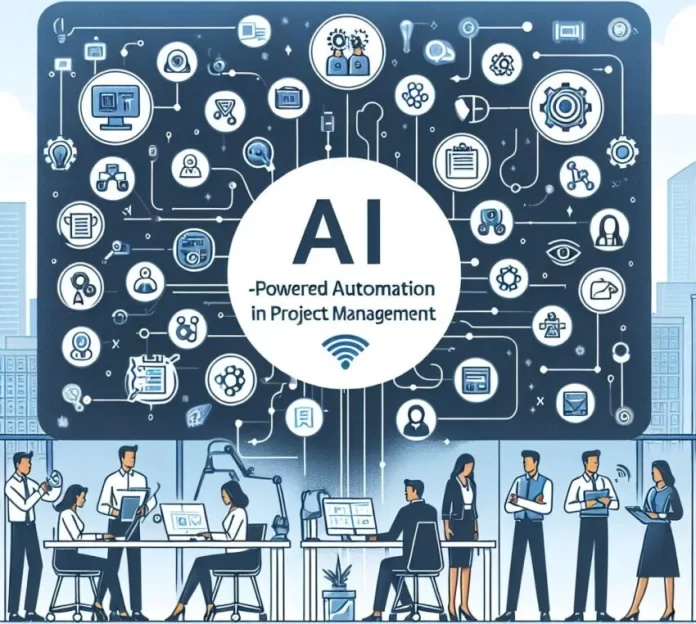
Time management has undergone significant transformations over the years. From manual timesheets and punch cards to digital calendars and project management apps, the tools evolved to meet growing demands for efficiency. The latest shift involves integrating artificial intelligence (AI) to automate routine time tracking tasks, offering greater precision and freeing up valuable resources.
Why Automate Routine Time Tracking?
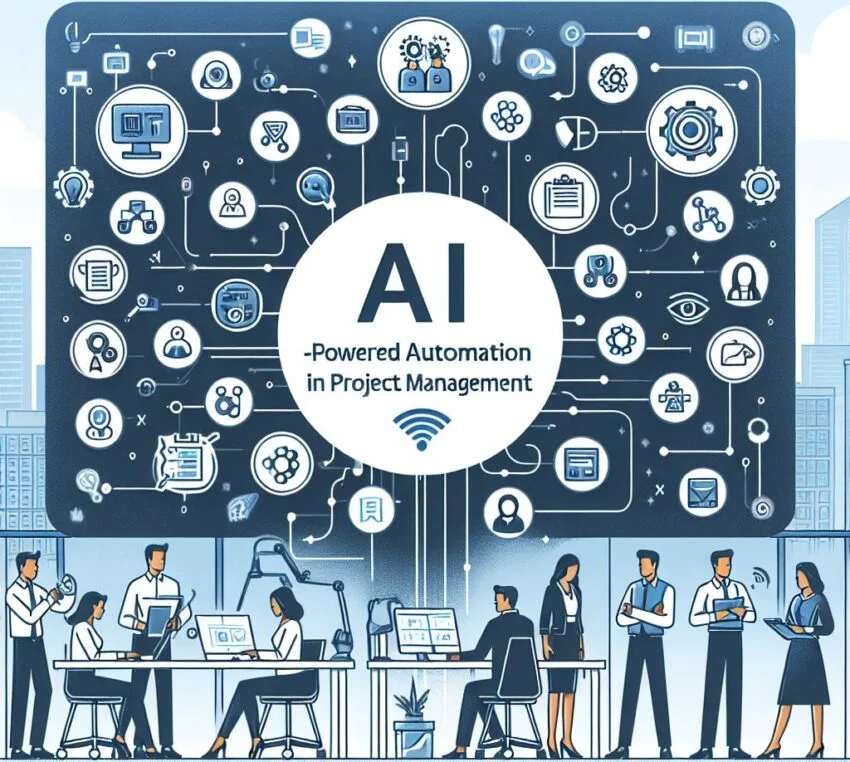
Routine time tracking often involves repetitive data entry and monitoring, which can be tedious and prone to errors. Automating this process allows teams to reduce work-related stress and burnout often caused by inefficient task management. It also minimizes decision fatigue by prioritizing tasks and optimizing schedules, ultimately improving project deadlines.
Core Technologies Behind AI-Driven Time Tracking
Machine Learning Algorithms
Machine learning powers AI time tracking by analyzing vast amounts of data to recognize patterns and predict future outcomes. These algorithms learn from past behavior, enabling them to prioritize tasks, adapt schedules, and suggest improvements to streamline workflows. This continuous learning aspect ensures time tracking becomes smarter and more efficient over time.
Natural Language Processing and Task Identification
Natural language processing (NLP) helps AI tools understand spoken or written input, making task identification seamless. Through NLP, AI can automatically convert meeting notes, emails, or chat messages into actionable tasks and time entries. This eliminates manual logging and ensures that no task is overlooked, enhancing accuracy and saving time.
Benefits of AI Automation for Project Management
Enhancing Accuracy and Reducing Human Error
AI eliminates many manual tasks that are vulnerable to errors, such as forgetting to log hours or miscalculating project time. By automating these processes, AI ensures consistent and accurate time records, which are crucial for billing, payroll, and resource allocation.
Real-Time Data Analysis to Meet Deadlines
AI provides real-time insights by analyzing ongoing project data. This allows project managers to identify bottlenecks early, adjust priorities, and reallocate resources promptly. Such proactive management improves the likelihood of meeting or even beating deadlines.
Boosting Team Productivity through Automation
By automating repetitive tasks like data entry or meeting coordination, teams can focus on higher-value activities. AI-driven automation reduces idle time and streamlines communication, leading to enhanced productivity and a more motivated workforce.
Implementing AI Solutions for Routine Time Tracking
Choosing the Right AI Tool for Your Team
Selecting an AI tool should involve assessing features like task prioritization, automated scheduling, and integration capabilities. The ideal solution adapts to your workflow and supports smart reminders and analytics dashboards. This ensures the tool contributes directly to better time management and project outcomes.
Integrating AI with Existing Project Management Software
For seamless workflow, AI tools must integrate smoothly with your current software stack, including calendars and communication platforms. Such integration avoids disruption, facilitates data sharing, and streamlines task assignment. This unified ecosystem leverages AI’s full potential to optimize project timelines.
Overcoming Common Challenges During Implementation
Adopting AI can face resistance due to unfamiliarity or perceived complexity. Clear communication about benefits and training can ease transitions. Additionally, choosing customizable AI solutions helps tailor the system to specific team needs, reducing friction and enhancing user adoption.
Case Studies: Success Stories of AI in Time Tracking
How Tech Startups Accelerate Project Delivery
Tech startups often operate under tight deadlines and limited resources. By implementing AI-driven time tracking, many have reduced administrative overhead, identified critical path tasks early, and improved delivery times. These tools help teams stay agile and focused on innovation rather than manual tracking chores.
Enterprise-Level Improvements and ROI
Large enterprises benefit from AI by automating complex scheduling and generating insightful reports. Such automation drives cost savings, reduces burnout among employees, and achieves better compliance with project timelines. The return on investment is reflected in enhanced productivity and more predictable project outcomes.
Future Trends: AI and Time Tracking Innovations
Predictive Analytics for Deadline Management
Emerging AI features include predictive analytics that forecast project risks and deadline slippages. These tools use historical and real-time data to provide early warnings, enabling proactive interventions that keep projects on track.
Voice-Activated and Gesture-Based Time Logging
The future promises more intuitive interaction with AI through voice commands and gesture recognition. This innovation will make time tracking effortless and instantaneous, reducing user friction and integrating time logging naturally into daily activities.


