
Understanding Wireless Charging Pads for Multiple Devices
What Are Wireless Charging Pads?
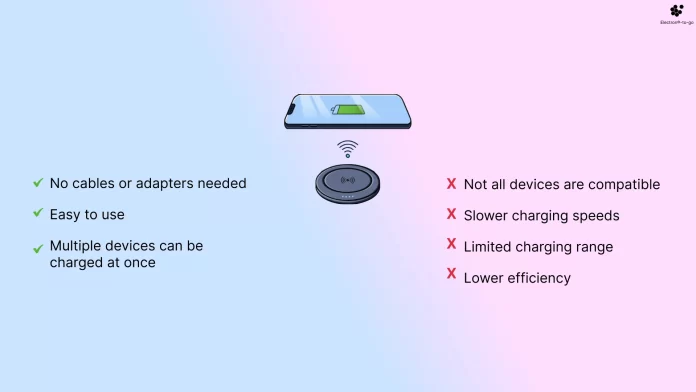
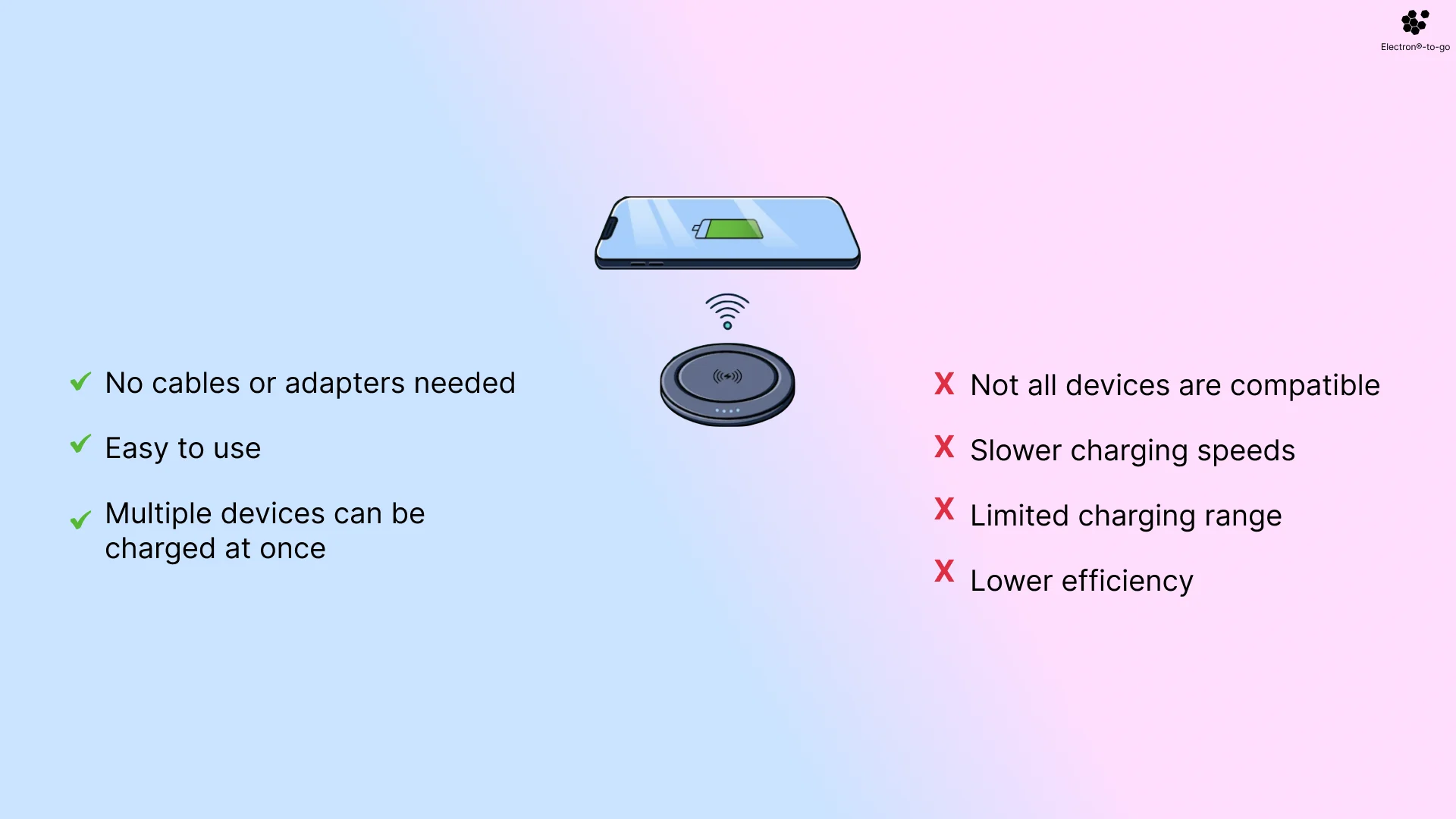
Wireless charging pads offer a convenient way to recharge devices without plugging in cables. These pads use electromagnetic induction to transfer energy to compatible gadgets, eliminating the need for direct cable connections. Typically, a wireless charger consists of a charging base and one or more coils that generate an electromagnetic field, which is then converted back to electrical energy by the device’s receiver coil.
How Multi-Device Chargers Work
Standard single-coil wireless chargers are designed to charge only one device at a time. This limitation means that placing multiple devices simultaneously often results in none charging effectively. Multi-device wireless charging pads overcome this by incorporating multiple coils or larger coil arrays, creating several “sweet spots.” These spots allow users to position several devices for simultaneous charging without interference. Additionally, advanced chargers use intelligent power distribution to allocate electricity efficiently among connected devices, preventing issues like slow charging or uneven power flow.
Advantages of Using Multi-Device Wireless Charging Pads
Convenience and Space Efficiency
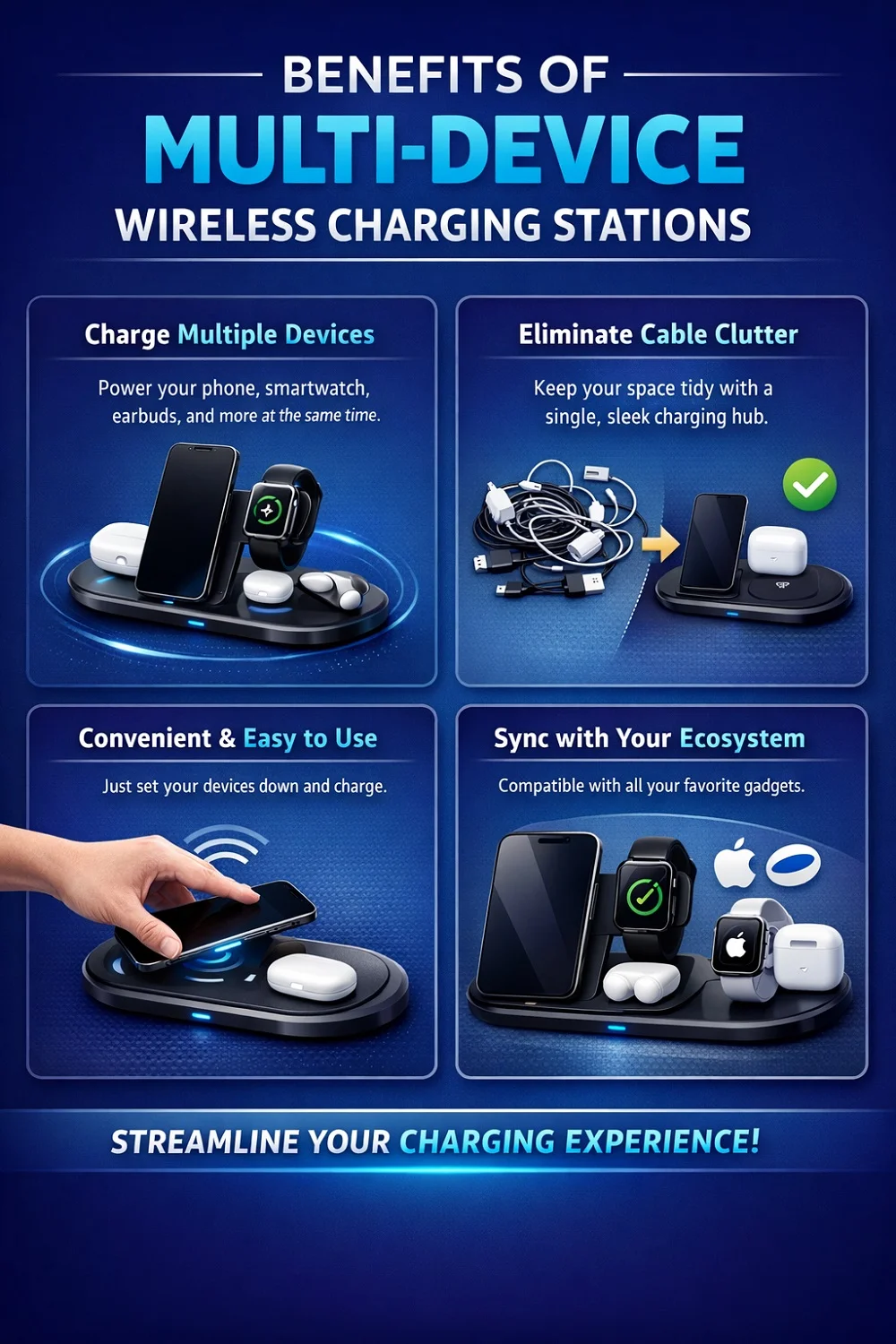
One key advantage of multi-device wireless charging pads is the convenience they offer by charging several devices at once on a single surface. This reduces the hassle of managing multiple chargers and cables scattered across workspaces or nightstands. By consolidating charging needs into one compact device, these pads create a cleaner and more organized environment, especially beneficial for those with several wireless-charge compatible gadgets.
Reduction of Cable Clutter
Wireless charging pads significantly reduce the need for multiple cables running to different devices. This not only enhances aesthetics but also minimizes wear and tear on charging ports and cables. People often face frayed or damaged cables due to constant plugging and unplugging, which wireless charging eliminates. Instead, devices can be placed on the pad without the constant physical connection, promoting longer device and accessory lifespan.
Compatibility with Various Devices
Many multi-device wireless charging pads support a range of Qi-compatible devices from smartphones to earbuds and smartwatches. For example, Apple users might opt for 3-in-1 charging stations designed specifically to wirelessly charge iPhones, AirPods, and Apple Watches simultaneously. This cross-device compatibility offers flexibility, allowing users with diverse gadgets to use a unified charging solution without compatibility headaches.
Potential Drawbacks to Consider
Charging Speed and Efficiency Issues
Despite their convenience, multi-device wireless charging pads can sometimes introduce challenges related to charging speed. Lower-power adapters, often below 30-40 watts, may not supply enough energy to simultaneously charge multiple devices at optimal speeds. Improper power distribution or interference between devices placed too close together can further degrade charging efficiency. Single-coil chargers attempting multi-device charging typically fail in this regard, leaving users frustrated with slow or stalled charging.
Higher Initial Investment
Compared to traditional single-device wireless chargers or wired solutions, pads capable of multi-device charging often command a higher upfront cost. This is due to their more complex coil arrangements, intelligent power management technologies, and sometimes added features like temperature control or premium design materials. For budget-conscious users, this initial investment may feel steep, especially when evaluating cost versus the actual convenience gained.
Heat Generation and Device Safety
Simultaneous wireless charging of multiple devices can generate excess heat, potentially impacting device battery health and safety. Chargers that lack smart temperature control may allow surface temperatures to rise beyond safe levels, which can accelerate battery degradation or cause discomfort when touching the charging pad. Therefore, safety features and smart thermal management are essential considerations to prevent heat-related issues during use.
Factors to Evaluate Before Purchasing
Device Compatibility and Charging Standards
Before choosing a multi-device wireless charging pad, ensuring compatibility with your devices is crucial. Not all devices support wireless charging, and standards can vary. For instance, iPhones from model 8 onwards are Qi-compatible, while models 12 and newer additionally support MagSafe, which can affect charging placement and efficiency. Verifying your devices’ wireless charging capabilities and selecting a charger that accommodates them will prevent frustration later on.
Power Output and Charging Speed
Power adapter wattage directly impacts charging speed, especially when handling multiple devices at once. Adapters providing less than 30-40 watts may result in slow or inefficient charging. Choosing chargers that support higher power inputs and feature intelligent power distribution helps maintain optimal charging speeds without compromising device safety. Selecting the right power solution is vital for balancing convenience with performance.
Design and Portability Features
Physical design also plays a role in usability. Chargers with multiple coils offer flexible placement options, reducing the need for precise device positioning. Foldable or compact designs, such as the EcoFlow RAPID Mag Wireless Charging Station, add portability for users on the go. Additionally, features like adjustable angles or integrated USB ports can enhance functionality, making the charging pad more versatile for different environments and travel scenarios.
Real-World User Feedback and Experience
Common Complaints
Users often report issues such as slow charging speeds when multiple devices are placed on a single-coil charger or when using power adapters with insufficient wattage. Incorrect placement without defined charging zones can lead to failed or intermittent charging. Some have also expressed frustration with overpaying for certain branded devices like the original Apple MagSafe Duo, which may lack features offered by third-party alternatives. These common pitfalls underline the importance of understanding the technical specifications and capabilities before purchasing.
Notable Benefits Reported
On the positive side, many users appreciate the tidiness and convenience multi-device pads bring to their setup. The ability to charge a phone, earbuds, and smartwatch simultaneously with minimal cable clutter is frequently praised. Chargers featuring multiple coils and intelligent power management receive favorable reviews for reducing charging anxiety by eliminating the guesswork of device placement and power allocation. Furthermore, smart temperature control is a valued feature for those concerned about device safety during extended charging sessions.
Conclusion: Is a Multi-Device Wireless Charging Pad Right for You?
Multi-device wireless charging pads offer a compelling solution for users juggling multiple Qi-compatible gadgets daily. Their benefits include streamlined charging setups, reduced cable mess, and convenience across various device types. However, potential drawbacks like slower charging speeds, higher cost, and heat concerns should not be overlooked. Selecting the right charger involves matching your devices’ compatibility, ensuring adequate power delivery, and valuing design considerations such as portability and thermal management.
Ultimately, if you require an efficient way to charge several devices simultaneously without cable clutter and are willing to invest in quality hardware, a multi-device wireless charging pad can significantly enhance your charging experience. Careful evaluation of specs and user feedback helps avoid common mistakes, ensuring you choose a product that balances convenience, performance, and safety effectively.


