
Understanding the Role of AI in Sales Analytics
What is AI-Based Sales Analytics?
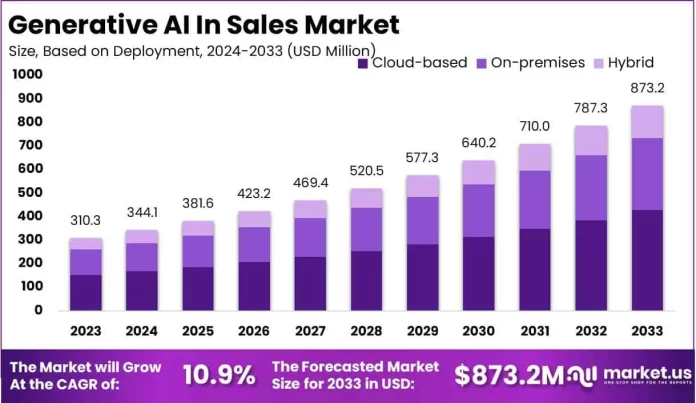
Imagine a sales team drowning in endless spreadsheets and CRM reports, struggling to find actionable insights amid a sea of raw data. AI-based sales analytics transforms this chaos into clarity by using artificial intelligence to analyze sales data quickly and accurately. Unlike traditional methods that depend heavily on intuition and manual review, AI employs machine learning and natural language processing to sift through vast amounts of structured and unstructured data. This shift enables businesses to spot trends, predict customer behavior, and optimize sales strategies in real time. For example, a mid-sized electronics retailer was able to identify top-converting leads and reduce the time sales reps spent on data entry by integrating AI-powered analytics, leading to a 20% sales increase within six months.
Benefits of Integrating AI into Sales Processes
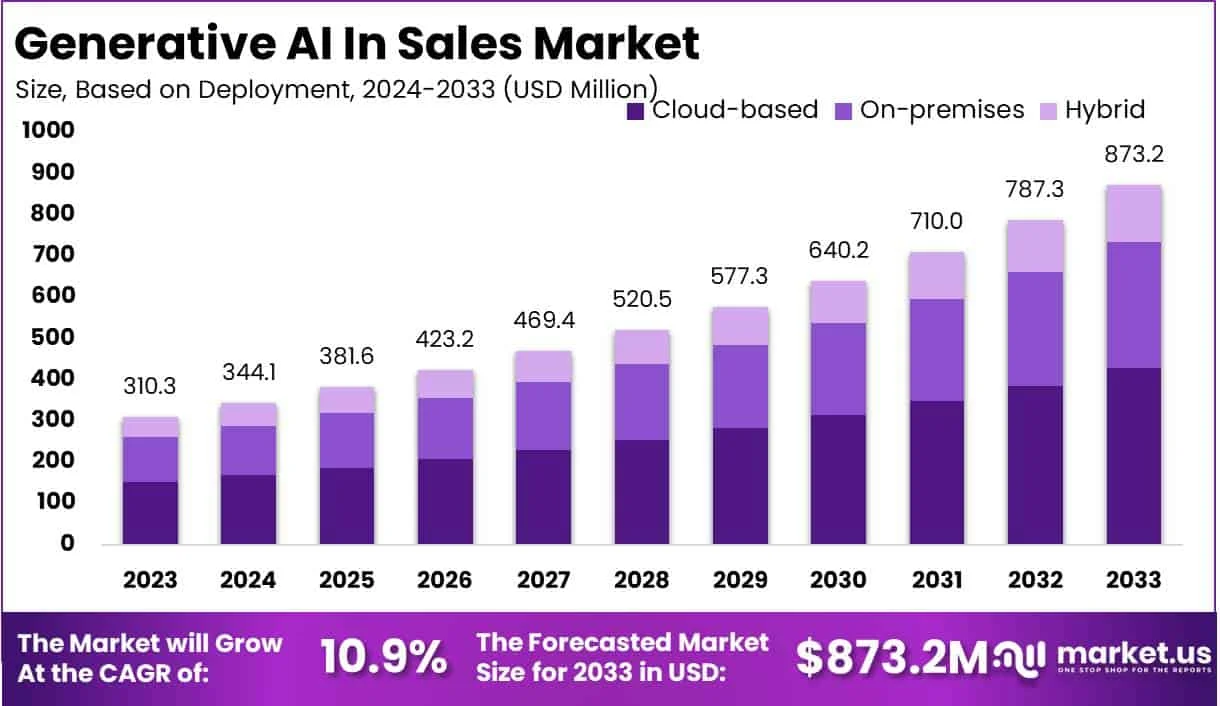
When AI becomes part of the sales process, it acts as a co-pilot rather than a replacement. One practical benefit is the automation of repetitive tasks such as data input or scheduling follow-ups, freeing salespeople to focus on building relationships. Also, AI’s ability to generate hyper-personalized product recommendations can dramatically enhance customer satisfaction and boost revenue through cross-selling. Another notable advantage is the ability to conduct real-time sentiment analysis during customer interactions, providing immediate feedback to improve agent performance. Companies like UPS have even used AI-driven analytics to tackle issues like package theft, demonstrating AI’s potential to address not only sales but operational challenges. Overall, integrating AI leads to more informed decision-making, higher efficiency, and ultimately, sustainable business growth.
Preparing Your Business for AI Analytics Integration
Assessing Current Sales Data Infrastructure
Before diving into AI, it’s crucial to thoroughly evaluate your existing sales data systems. Many businesses face challenges such as isolated data silos or inconsistent data formats that hinder effective analysis. For instance, a regional software company discovered their CRM system lacked proper integration with marketing tools, resulting in incomplete customer profiles. This assessment step involves mapping out all data sources, understanding data quality, and identifying gaps that could limit AI effectiveness. By documenting these aspects, businesses lay the foundation for a smoother AI integration, ensuring the tools have rich, accurate data from the start.
Identifying Key Metrics and Goals
AI solutions can generate vast amounts of insights, but without clear goals, businesses risk being overwhelmed. Successful companies begin by defining which sales metrics matter most—whether it’s lead conversion rate, average deal size, or customer retention. For example, a B2B manufacturing firm prioritized lead quality over quantity after noticing high churn rates despite many incoming leads. This clarity helps tailor AI models to focus on those specific outcomes. Setting measurable benchmarks also enables ongoing monitoring of AI’s impact, ensuring the investment drives tangible results aligned with broader business objectives.
Choosing the Right AI Sales Analytics Tools
Features to Look For in AI Analytics Software
Choosing AI tools requires balancing feature sets with your company’s unique needs. Essential capabilities include predictive lead scoring, which uses historical data to rank prospects by conversion likelihood, and automated A/B testing to optimize outreach strategies. Integration flexibility is another critical factor—your AI platform should seamlessly connect with existing CRM and marketing automation systems for holistic data tracking. Additionally, advanced segmentation and dynamic targeting allow marketers to refine campaigns based on evolving customer behaviors. Some platforms also offer real-time anomaly detection, alerting sales managers to sudden drops in performance or emerging risks, empowering quick response.
Comparing Popular AI Analytics Platforms
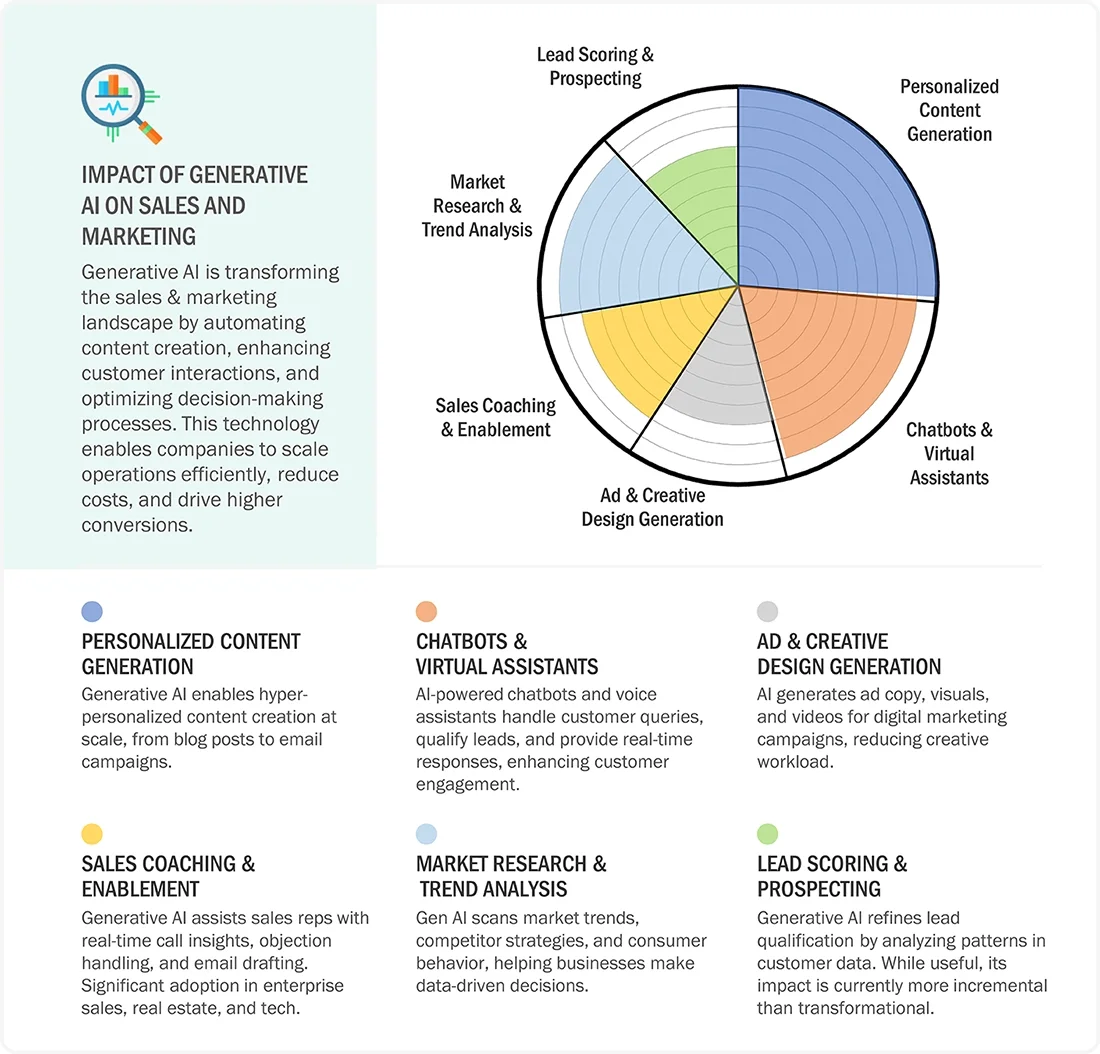
In a crowded market, it helps to evaluate platforms through a practical lens. Salesforce Einstein, for example, excels in deep CRM integration and personalized forecasting, ideal for enterprises already using Salesforce. HubSpot’s AI features focus more on inbound marketing and lead nurturing, appealing to smaller teams. For businesses aiming at hyper-personalization, tools like Gong provide AI-driven conversational analytics that assess sales calls for sentiment and objection handling. Selecting the best fit often involves trial periods and pilot programs, allowing teams to experience firsthand how the software aligns with daily workflows and sales objectives.
Step-by-Step Integration Process
Data Collection and Cleaning
Effective AI relies on quality data. At one retail firm, the initial AI adoption failed because inconsistent customer information and duplications skewed predictive models. To avoid this, begin by systematically collecting relevant data across all touchpoints and cleaning it to remove errors and redundancies. Establishing data governance policies ensures ongoing accuracy. This stage may require collaboration between IT, sales, and marketing teams to unify datasets and standardize formats, setting a solid groundwork for AI-driven insights.
Setting Up AI Models and Algorithms
Once data is prepared, the next step involves configuring AI models to your business context. This means selecting algorithms that match your sales goals—whether it’s forecasting demand, optimizing pricing, or identifying churn risks. Many platforms offer customizable machine learning models that improve over time as they learn from new data. For instance, a healthcare supplier adjusted their AI forecasting based on seasonal buying patterns, resulting in more efficient inventory management. Iterative tuning and validation are essential to ensure the models remain accurate and relevant as market conditions evolve.
Training Your Sales Team on New Tools
The most sophisticated AI is ineffective if users don’t understand how to leverage it. Proper training empowers sales teams to interpret AI-generated reports and integrate recommendations into their workflows. During one rollout, a financial services company held hands-on workshops where sales reps practiced using AI dashboards during mock sales calls. This approach helped alleviate resistance and increased confidence in AI’s value. Ongoing support and feedback loops are also necessary to adapt training as tools update or new features become available.
Post-Integration: Interpreting and Acting on Insights
How to Read AI-Generated Sales Reports
AI sales analytics reports often provide complex outputs, including predictive scores, trend analyses, and sentiment metrics. Learning to interpret these accurately can be challenging. Consider the case of a retail chain that initially misread AI-based lead scoring, treating all high scores as equal priority. After guidance, their team learned to consider score nuances and combine AI insights with personal knowledge to prioritize efforts. Effective report reading involves understanding metrics’ business relevance, recognizing patterns, and integrating qualitative judgment to make balanced decisions.
Making Data-Driven Decisions for Growth
Deploying AI analytics isn’t about replacing human decision-making but enriching it with evidence. A software supplier used AI insights to identify underperforming customer segments, then tailored marketing campaigns resulting in a 15% revenue boost. Regularly reviewing AI recommendations enables companies to fine-tune pricing, adjust sales tactics, and optimize resource allocation in an agile manner. The key is treating data as a strategic asset and embedding AI-driven insights into everyday business planning, supporting sustainable growth.
Challenges and Solutions in AI Sales Analytics Implementation
Common Obstacles and How to Overcome Them
One frequent stumbling block is resistance to change, with sales teams hesitant to abandon familiar methods in favor of AI tools. Overcoming this requires clear communication about AI benefits and involving teams early in the integration process. Another challenge is attempting to implement too many AI tools simultaneously, which can lead to confusion and poor adoption. A phased approach, starting small and scaling gradually, has proven effective for many organizations. Additionally, neglecting to map the existing sales process can cause misalignment between AI capabilities and real-world workflows. Documenting and understanding current sales journeys helps tailor AI applications appropriately.
Maintaining Data Privacy and Security
Integrating AI introduces new considerations around safeguarding customer information. Businesses must comply with data privacy regulations while ensuring AI systems are protected from breaches. This entails securing data storage, enforcing strict access controls, and regularly auditing AI platforms for vulnerabilities. For example, a logistics firm deployed AI to monitor customer interactions while implementing encryption and anonymization techniques to protect sensitive details. Maintaining trust through robust security practices is critical as AI continues to expand in sales operations.


