Introduction to Energy-Efficient Automated Blinds
Why Automate Your Window Blinds?
Automating window blinds can greatly improve home comfort by enabling precise control over natural light and privacy. Manual adjustment often means blinds stay fixed in one position, leading to unnecessary heat buildup or insufficient natural lighting. With automation, blinds can react to environmental changes automatically, improving indoor temperature regulation and reducing reliance on artificial lighting. This makes daily living more convenient and enjoyable while contributing to energy savings.
Benefits of Energy Efficiency in Home Automation
Energy efficiency is a core benefit of integrating automated systems like motorized blinds into your home. Automated blinds help by reducing heating and cooling costs, as they adjust to block excessive sunlight during hot periods and open up for solar warmth when it’s cooler outside. Combining automation with energy-efficient components, such as low-power microcontrollers and smart motors, minimizes electricity use. Over time, this results in lower utility bills and a positive environmental impact by reducing overall carbon footprint.
Understanding the Role of Arduino in Automated Blinds
Overview of Arduino and Its Capabilities
Arduino is a versatile open-source microcontroller platform ideal for building DIY automation projects. It offers flexible programming options, numerous input/output pins, and compatibility with various sensors and actuators. For automated blinds, Arduino can process data from light sensors, control motor movements precisely, and interface with user controls or timers. Its broad community support and low cost make it accessible for hobbyists and professionals alike.
Choosing the Right Arduino Model for Your Project
Selecting the appropriate Arduino model depends on the complexity and power requirements of your automated blinds. Basic models like Arduino Uno can handle simple sensor inputs and motor control for small projects. However, if your system requires wireless communication, multiple sensors, or advanced features such as remote control, a more powerful board like Arduino Mega or Arduino Nano 33 IoT might be necessary. Understanding your motor’s current draw and the number of peripherals influences this decision, ensuring reliable performance without overloading the controller.
Designing Automated Blinds for Optimal Sunlight Control
Factors Affecting Sunlight Exposure Through Windows
The amount of sunlight entering a room depends on several factors, including window orientation, time of day, season, and geographic location. Properly designed automated blinds account for these variables to optimize natural lighting and reduce glare. For instance, east-facing windows may require more shading in the morning, while south-facing windows need protection during midday hours. Considering these factors ensures blinds operate in harmony with the sun’s trajectory, enhancing comfort and energy efficiency.
Mechanisms for Adjusting Blinds Using Arduino
To adjust blinds automatically, Arduino controls a motor that opens or closes them based on sensor input or preset schedules. Using a DC motor with a worm gear is advantageous because it maintains the blinds’ position without continuous power, cutting energy consumption significantly. Adding limit switches at fully opened and closed positions allows the Arduino to stop the motor precisely, preventing mechanical strain and improving reliability. Alternatively, when using continuous rotation servos, calibrating run time helps approximate blind positions, although this method may be less accurate without feedback sensors.
Power Management Strategies to Enhance Energy Efficiency
Efficient power management begins with selecting motors and components that minimize energy use. Since motors can draw significant current, choosing those with built-in worm gears reduces the need for constant power to hold position, conserving battery life. Calculating the system’s daily energy consumption helps in sizing an appropriate solar panel and battery that meet power demands, factoring in geographic location and seasonal sunlight changes. Employing low-power Arduino models and sleep modes further optimizes energy usage. It’s essential to avoid relying on small solar panels incapable of powering both controller and motor simultaneously, as this leads to system instability.
Step-by-Step Guide to Building Your Arduino-Powered Automated Blinds
Materials and Components Needed
Gathering the right materials is a critical first step. You will need an Arduino board suitable for your power and input/output needs, a DC motor with a worm gear for low power holding torque, limit switches for position detection, and a set of sensors such as light-dependent resistors (LDRs) or photodiodes to gauge sunlight intensity. Additionally, your power system should include a sufficiently rated solar panel and battery, designed to handle the motor’s stall current and overall system voltage requirements.
Wiring and Circuit Setup
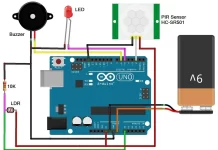
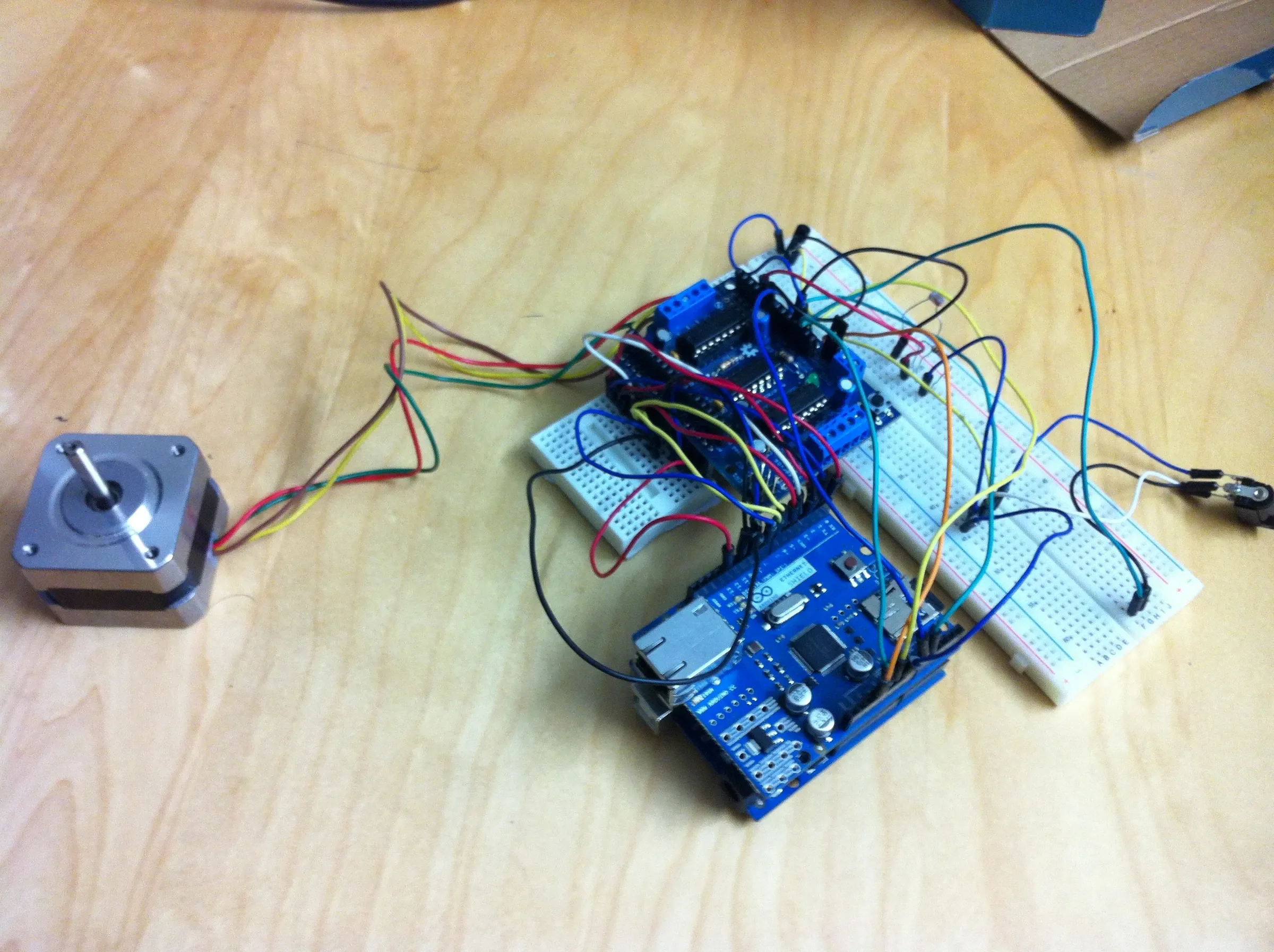
Setting up the wiring involves connecting the Arduino to the motor driver circuit, which manages the motor’s direction and speed safely. Limit switches should be wired to Arduino’s digital inputs to signal when the blind reaches full open or close. Light sensors connect to analog inputs, allowing real-time sunlight measurement. Ensure the power supply lines match the voltage requirements for all components and include protective elements like diodes and fuses to prevent damage. Proper cable management and insulation also help prevent short circuits and maintain system reliability.
Programming the Arduino for Responsive Light Management
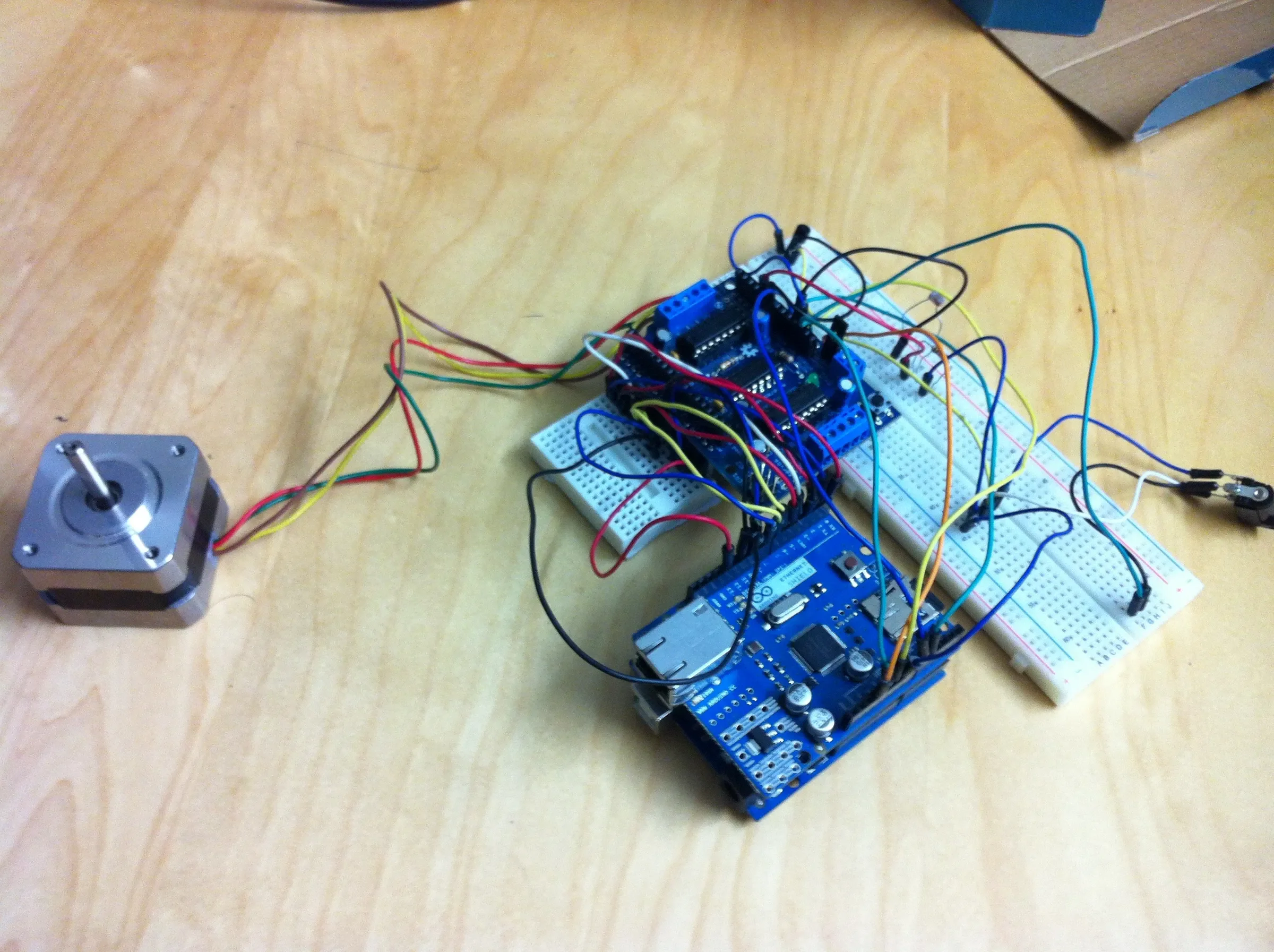
Programming should focus on reading sensor data, controlling motor operations, and implementing safety features. Begin by writing code that reads light sensor values and translates them into desired blind positions. Use the inputs from limit switches to stop the motor at appropriate points to avoid mechanical overrun. Incorporate timing functions to enable blinds to operate at specific intervals or in response to changes in sunlight. Adding a calibration routine to measure motor run time can improve positional accuracy, especially if using continuous rotation servos without feedback sensors.
Testing and Calibration for Maximum Efficiency
Once assembled, thorough testing ensures the system operates smoothly. Start with manual control to verify motor direction and switch functionality. Gradually add automatic functions and monitor responses to varying light conditions. Calibrate the motor run times, ensuring blinds reach desired positions consistently. Measure current draw during typical operation to confirm power consumption aligns with design estimates. Adjust the program or hardware setup as needed to optimize energy efficiency and maintain reliable operation over long periods.
Integration and Smart Features
Incorporating Light Sensors and Timers
Adding light sensors like LDRs enables the blinds to respond autonomously to changing sunlight, opening during low-light conditions and closing when the sun is too intense, which aids in thermal regulation. Timers provide scheduled control, such as closing blinds during peak sunlight hours or opening them in the morning. Combining these features creates a smart system that balances natural light usage and energy saving without requiring manual intervention.
Remote Control and App Connectivity Options
For enhanced convenience, integrating Bluetooth, Wi-Fi, or other wireless modules allows control via smartphones or home automation systems. This connectivity lets users adjust blinds remotely, set personalized schedules, and receive status updates. Leveraging such features not only adds flexibility but also enables integration into larger smart home ecosystems that collectively improve energy management and user comfort.
Maintenance and Troubleshooting Tips
Common Issues and How to Fix Them
One frequent issue is the motor failing to stop at the correct position, often due to malfunctioning limit switches or improper calibration. Checking switch wiring and verifying their signals to the Arduino can resolve this. Another common problem is insufficient power delivery from the solar panel or battery, which requires reassessing component sizing or replacing batteries. If the blinds do not respond to light changes, sensor connections or code logic may need review. Regularly inspecting connections and updating firmware can prevent or fix many operational issues.
Regular Maintenance for Longevity and Performance
Regular maintenance includes cleaning sensors, lubricating motor gears, and inspecting wiring for wear or damage. Testing battery health and solar panel output ensures the power system remains effective. Keeping firmware up to date enables improved features and bug fixes. By performing these tasks periodically, the automated blinds will continue functioning efficiently and reliably over years of use.
Future Trends in Automated Blinds and Sustainable Living
Looking forward, advancements in low-power electronics, energy harvesting, and artificial intelligence promise even smarter and more efficient automated blinds. Integration with home energy management systems will allow blinds to interact with HVAC and lighting controls for comprehensive energy optimization. Enhanced sensor technologies will improve environmental awareness, while improved battery and solar technologies will provide longer autonomy and reliability. These innovations will play a vital role in building greener homes that adapt effortlessly to their surroundings.