
Introduction to Smart Doorbell Cameras in 2024
Why Security Features Matter More Than Ever
As home security concerns continue to rise, smart doorbell cameras have evolved from simple convenience devices into critical security tools for homeowners. The increasing rates of package theft and burglaries underscore the need for reliable security features. With one burglary reported every 28 seconds in the U.S. and 44% of Americans experiencing package theft, it’s clear that a doorbell camera’s ability to accurately detect and record suspicious activity is paramount. Homeowners need advanced features that not only capture clear footage but also provide smart alerts to help prevent crimes before they happen.
However, not all doorbell cameras are created equal. Limitations like poor motion detection range, unreliable AI functions, and restricted video storage can undermine their effectiveness. Understanding these challenges is essential to selecting a device that truly enhances home security.
Overview of Market Leaders in Smart Doorbells
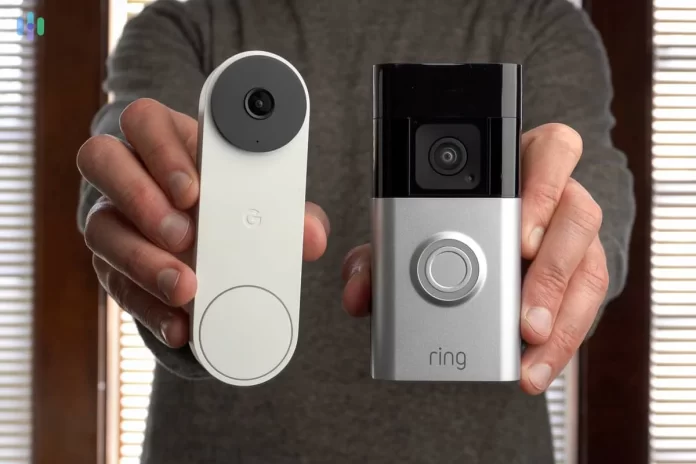
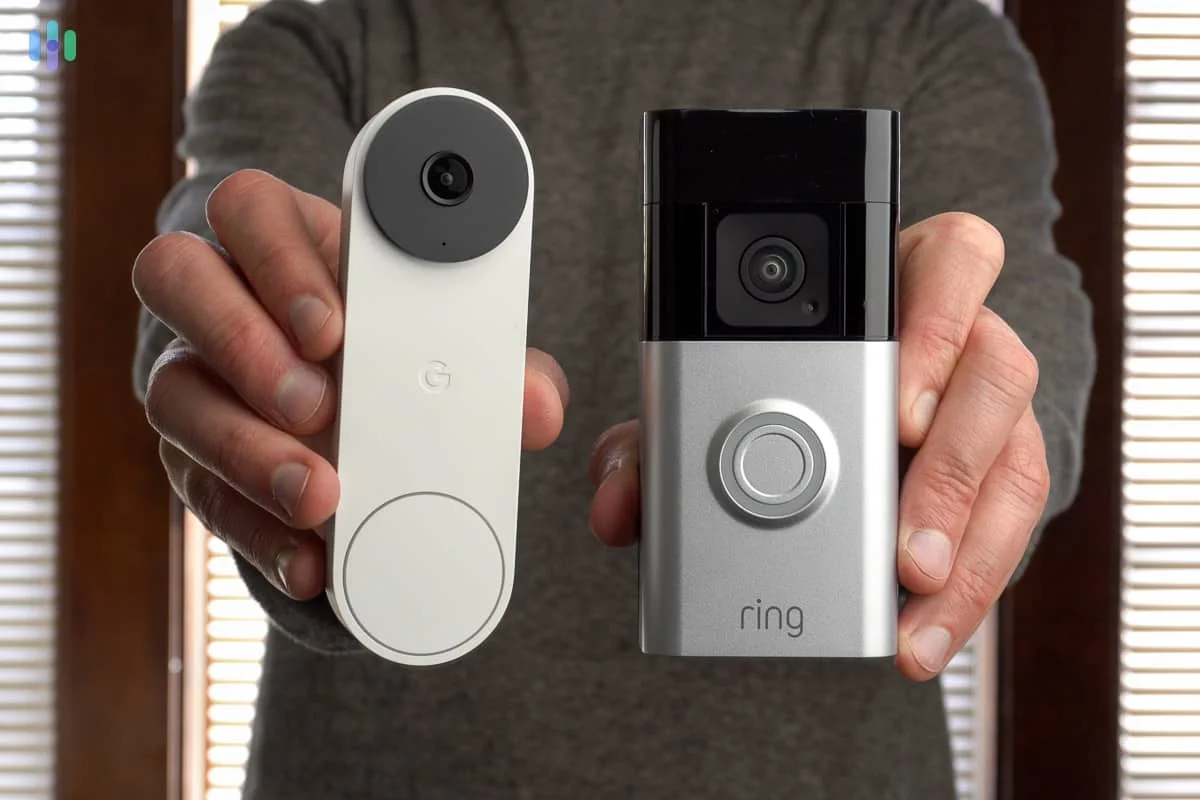
The smart doorbell market in 2024 is dominated by a handful of key players known for their technological innovations and security integrations. Companies like Google Nest, Ring, Eufy, and TP-Link have introduced models catering to different user needs—from high-end AI-powered cameras to budget-friendly options with basic security features.
Each brand emphasizes unique strengths such as advanced motion detection, customizable zones, cloud and local storage options, and integration with popular smart home ecosystems like Amazon Alexa and Google Assistant. This variety allows consumers to choose based on preferences such as wired versus battery-powered models, subscription services for cloud storage, and compatibility with existing home chimes and devices.
Top Smart Doorbell Cameras: Key Security Features Breakdown
Video Resolution and Night Vision Capabilities
One of the fundamental security challenges with doorbell cameras is capturing clear, identifiable video in all lighting conditions. Low resolution or inadequate night vision can render footage useless when it’s needed most. Many top models now offer at least 2K video resolution, providing significantly clearer images than the older 720p or 1080p standards. This sharpness allows homeowners to distinguish faces, package details, or suspicious behavior even in dimly lit environments.
Night vision technology varies, with infrared LEDs being common. Some cameras integrate color night vision or improved low-light sensors, which enhance visibility without washing out details. Users should consider models offering superior night vision capabilities, especially in neighborhoods prone to nighttime crime.
Motion Detection and AI-Powered Alerts
Motion detection is a core feature but comes with inherent limitations. Many doorbell cameras struggle beyond a 15-foot range, where motion details become blurry or washed out. This impairs the device’s capacity to provide accurate alerts. Moreover, traditional motion sensors often trigger false alarms from irrelevant movements such as passing cars or animals, creating alert fatigue.
Recent advancements have introduced AI-powered motion differentiation that can identify people, animals, vehicles, and packages distinctly. However, users should be cautious as some AI features, including Google’s Gemini AI, have shown unpredictable behavior, reducing reliability.
To combat excessive alerts, customizable detection zones allow homeowners to restrict monitoring to critical areas, improving alert relevance. This customization helps reduce unnecessary notifications, ensuring users respond only to genuine activity.
Encryption Standards and Data Privacy Measures
Security isn’t just about visual surveillance; how data is protected during transmission and storage is equally vital. Top smart doorbell cameras implement industry-standard encryption protocols such as AES 256-bit encryption to safeguard video feeds from unauthorized access. This is crucial given that these devices transmit sensitive footage over Wi-Fi networks vulnerable to hacking.
Many manufacturers also emphasize privacy by offering options like local storage and end-to-end encryption. Some models include privacy modes that turn off recording based on user settings or geofencing. Selecting a doorbell with strict data privacy policies and transparent user control over data can prevent breaches and unauthorized sharing of personal information.
Comparative Analysis: Which Smart Doorbell Offers the Best Security?
Brand A vs. Brand B: Strengths and Weaknesses
When comparing two leading brands, stark differences emerge in power options, storage, and AI capabilities. Brand A primarily offers wired doorbells that provide continuous power without the hassle of recharging. This advantage supports uninterrupted video recording but may require compatible doorbell chimes. Brand B’s battery-powered models score higher in installation flexibility but demand regular charging every few weeks or months, which can be inconvenient.
On AI-powered motion detection, Brand B offers superior motion differentiation but relies heavily on subscription-based cloud storage for extended video retention. Without a subscription, users face significant limits, such as 10-second clips deleted after six hours, which may be insufficient for comprehensive security coverage. Brand A compensates with local storage options such as microSD cards, enabling free and secure video backups without recurring fees.
Unique Security Innovations by Brand C
Brand C distinguishes itself by integrating indoor hubs for local recording, enhancing privacy, and reducing dependence on cloud subscriptions. This model excels in delivering robust video quality with intelligent alerts triggered only by significant events like package deliveries or visitor arrivals. It also incorporates advanced night vision and voice control compatible with major digital assistants.
Additionally, Brand C addresses compatibility issues by supporting a wide range of wired and wireless configurations, avoiding problems common with other wired doorbells that require specific chimes or power sources. This flexibility simplifies installation while maintaining high security standards.
Price vs. Security: Finding the Best Value
Balancing cost and security features is a critical consideration for many buyers. Premium models often include advanced AI, cloud storage subscriptions, and seamless smart home integration but come with higher upfront and ongoing costs. Conversely, budget options like TP-Link Tapo D130 or D225 offer respectable 2K video quality, motion differentiation, and essential security functions at a more accessible price point.
While budget models may lack some high-end AI features or extended cloud storage, they remain suitable for users prioritizing core security elements without subscription fees. Evaluating personal security needs against budget constraints and selecting models with the best combination of video quality, alert precision, and data privacy helps ensure value without compromising safety.
Installation and Integration Considerations
Ease of Setup and User Experience
Installation complexity often deters consumers from upgrading their security systems. Wired doorbells typically require more technical skill and verification of compatibility with existing chimes to avoid installation issues. Some models like TP-Link Tapo D130 necessitate specific plug-in chimes, making it essential to check compatibility before purchase.
Battery-powered models offer the advantage of simple, wire-free installation but demand ongoing maintenance with regular recharging. User experience also hinges on app interfaces, responsiveness of alerts, and the ability to customize settings without hassle. Brands that prioritize intuitive setup and user-friendly controls tend to receive better reviews and higher customer satisfaction.
Compatibility with Smart Home Ecosystems
Integrating a smart doorbell with existing ecosystems such as Amazon Alexa or Google Home enhances automation and convenience. Users can receive voice alerts, control devices via smart assistants, and integrate doorbell cameras into broader security setups with other smart locks or lighting systems. However, compatibility varies widely among brands and models.
Choosing a camera compatible with popular platforms ensures users can streamline home automation. This integration also adds a layer of security by allowing remote access to live video and alerts, which is especially beneficial when monitoring for package deliveries or suspicious activity while away from home.
Future Trends in Smart Doorbell Camera Security for 2025 and Beyond
Looking ahead, smart doorbell cameras are expected to incorporate more sophisticated AI to reduce false alarms and improve detection accuracy. Innovations will likely focus on enhancing AI reliability, addressing current issues with motion detection range and precision. Multi-sensor systems combining audio, radar, and video may become standard, providing a more comprehensive security picture.
Increased emphasis on local storage and edge computing will offer better privacy and reduce dependence on subscription-based cloud models. Enhanced encryption and cybersecurity measures will also help protect user data from evolving threats. Furthermore, seamless integration with emerging smart home technologies and personalized security automation will transform doorbell cameras from reactive monitoring tools to proactive security systems.
Consumers can expect smarter, more reliable, and privacy-centric devices that not only alert but actively deter and respond to security incidents, raising the bar for home protection in the coming years.


