
Understanding Financial Reporting Challenges in Startups
Common Pain Points and Complexity
Startups often face a whirlwind of financial reporting challenges as they try to keep pace with rapid growth and shifting business needs. In the early days, founders might rely heavily on manual spreadsheets, which quickly become error-prone and cumbersome as transactions increase. Imagine a startup founder juggling multiple bank accounts, expense receipts, and customer payment schedules with nothing but Excel; the risk of mistakes grows exponentially.
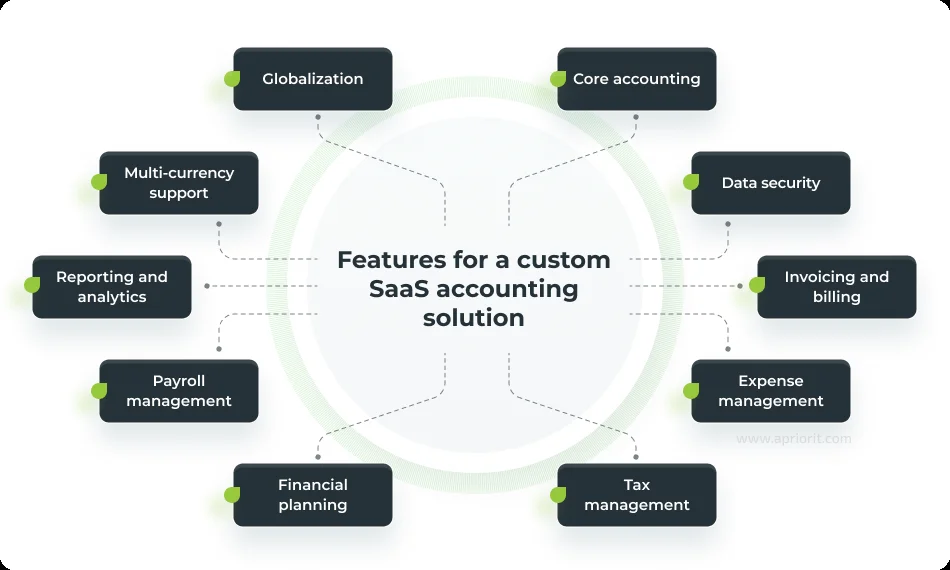
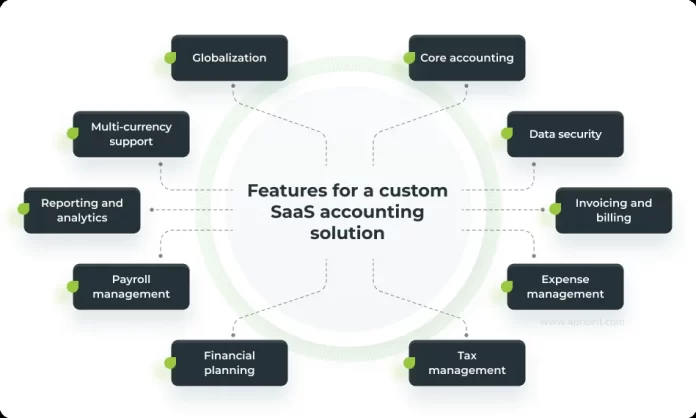
Moreover, startups encounter complexities such as fluctuating revenue streams, ongoing expenses, and evolving reporting requirements. The finances become more intricate, requiring a system that can handle multiple currencies or varying tax compliance rules as the startup expands globally. Chaotic cap table management compounds the situation, often leading to confusion during equity negotiations or fundraising rounds, resulting in costly mistakes.
Why Traditional Methods Fall Short
Traditional approaches like manual bookkeeping, relying on isolated spreadsheets, or using disjointed software tools, fail under the weight of a growing startup. These methods lack interoperability, so data remains scattered and inconsistent. For example, when finance data isn’t centralized, reconciling invoices with bank transactions becomes a tedious, error-prone task that wastes valuable time.
Additionally, not aligning the financial tech stack with the company’s growth stage means startups either overspend on complex solutions too soon or remain stuck using basic tools that cannot scale. This mismatch causes inefficiencies and increases the risk of oversight in financial reporting. As a result, startups often struggle to maintain up-to-date, accurate records, complicating decision-making and investor communications.
Criteria for Selecting Affordable SaaS Solutions
Key Features to Look For
When choosing a SaaS financial reporting tool, startups should prioritize solutions with automation capabilities to minimize manual data entry and reduce human error. Automated bank feeds, rules-based workflows, and AI-driven reconciliation processes dramatically improve efficiency. Tools that offer native integrations with banking, CRM, payroll, and billing systems create a seamless data flow, which is crucial for centralized and accurate financial records.
Security must also be front and center; encryption, role-based permissions, and governance controls protect sensitive financial data. Additionally, the ideal solution supports scalability, enabling the startup to handle multi-currency transactions, global tax compliance, and consolidated reporting as it grows. Finally, a user-friendly interface geared towards non-accountants makes financial reporting accessible and less daunting for founders and their teams.
Budget Considerations for Early-Stage Companies
Startups often operate under tight budget constraints and cannot afford expensive enterprise-grade solutions early on. It’s important to adopt lightweight, affordable tools during the pre-seed phase that cover basic bookkeeping and billing while manual tracking continues. As the company reaches seed funding, investing in repeatable systems that include accounting, payroll, and expense management becomes essential to reduce errors and free up time.
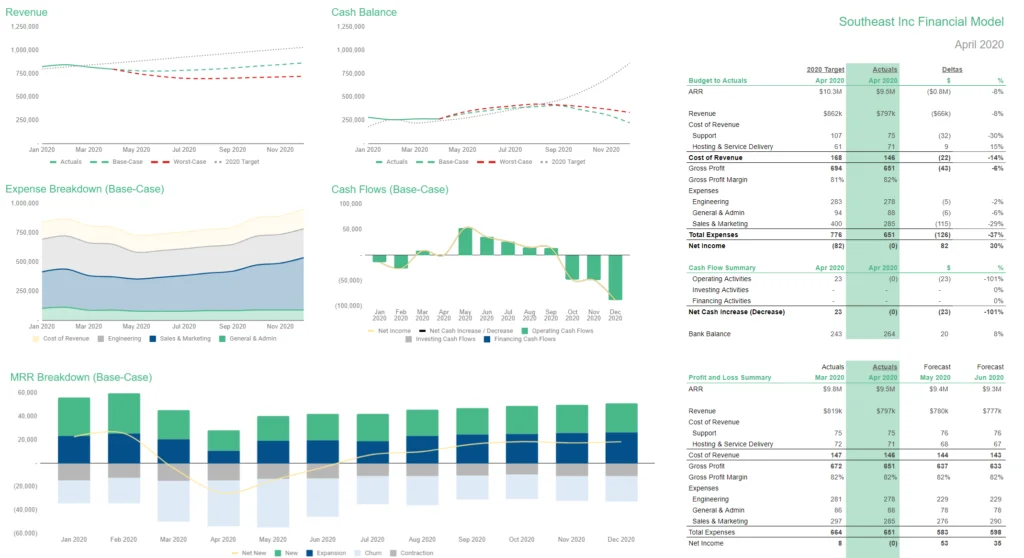
By the time the startup reaches a Series A, it should look for SaaS tools that introduce forecasting and financial planning capabilities to navigate growth effectively. Selecting platforms with transparent pricing, scalable plans, and mobile access ensures startups never pay for unnecessary features but can comfortably upgrade as their needs evolve.
Top Affordable SaaS Tools for Financial Reporting
Overview of Leading Platforms
Several affordable SaaS platforms have emerged as favorites among startups for simplifying financial reporting. Xero stands out as a versatile option for small and medium businesses, offering cloud-based accounting with multi-currency support and seamless integration options. Maxio is gaining traction among B2B SaaS companies due to its robust revenue recognition capabilities compliant with GAAP, ASC 606, and IFRS 15 standards.
For banking and payments, Mercury provides real-time cash visibility coupled with automated reconciliation features, making daily finance management much smoother. On the subscription billing side, platforms like Stripe, Chargebee, and Paddle streamline tracking subscription lifecycles and customer billing. Expense management is efficiently handled with tools such as Ramp and Brex, which provide spend controls and contract visibility.
Comparison of Pricing and Features
Xero typically offers tiered pricing plans starting with affordable monthly fees, which include core accounting features, bank feeds, and access to financial reporting dashboards. Maxio’s pricing is tailored toward SaaS companies needing advanced revenue recognition and invoice scheduling, which might be slightly higher but justifiable for compliance and automation gains.
Mercury doesn’t charge monthly fees, focusing instead on banking services with benefits like real-time cash insights and credit card tracking. Stripe and Chargebee operate on transaction-based pricing, making them cost-effective for startups with variable billing volumes. Ramp and Brex offer competitive pricing models often combined with cashback rewards and spending analytics, adding tangible value beyond expense tracking.
How SaaS Tools Streamline Financial Reporting
Automation and Integration Capabilities
Imagine a startup founder no longer having to manually reconcile dozens of transactions each week. SaaS financial tools with AI and automation eliminate repetitive tasks like bank reconciliations, invoice matching, and expense categorization. Integration with CRM systems ensures that billing data and customer records are consistently aligned, avoiding costly data discrepancies.
Such automation uncovers irregularities early, helping finance teams respond swiftly to issues before they snowball. By connecting payroll, billing, and accounting modules, startups achieve a centralized data environment where every report and forecast pulls from the same up-to-date information pool, ensuring accuracy and confidence in decision-making.
User-Friendly Interfaces for Non-Accountants
Many founders have a strong vision for their products but limited accounting expertise. Modern SaaS platforms prioritize intuitive dashboards, visual financial reports, and guided workflows that reduce the learning curve. For example, tools like Xero offer mobile apps that let users review real-time financial data anywhere, simplifying routine reviews and approvals.
This ease of use empowers startup teams to stay financially nimble without the constant need for external accountants, driving faster insights and enabling better cash flow management. The ability to generate accurate financial statements and customize reporting dashboards means startups can prepare investor-ready documents with minimal stress.
Real-World Startup Success Stories
Case Study: Boosting Efficiency with SaaS
Consider a SaaS startup that struggled with manual bookkeeping and scattered financial data during its seed stage. After adopting Xero integrated with Mercury bank feeds and Stripe for billing, the company reduced reconciliation time by 70%. The finance lead reported fewer errors, faster month-end closes, and clear visibility into runway forecasting using Finmark.
This holistic tech stack gave the startup’s leadership confidence to focus on growth and fundraising, knowing that cap table management was handled cleanly via Carta. Automating routine workflows freed up team members to dedicate more time to strategic financial planning, illustrating how well-chosen SaaS tools can transform cumbersome processes into smooth operations.
Common Mistakes and How to Avoid Them
Many startups fall into the trap of selecting tools that don’t integrate well, leading to fragmented workflows and inconsistent data. Another frequent error is relying too heavily on Excel spreadsheets, which introduce errors and slowdowns as transaction volumes rise. Without centralizing financial data, companies find themselves chasing numbers rather than using them to inform decisions.
Aligning the finance stack with the startup’s growth stage is critical. Early-stage startups should avoid overcomplicated solutions that create unnecessary overhead, while scaling companies must not outgrow simple systems too quickly. Neglecting compliance with revenue recognition standards like ASC 606 can cause serious issues during audits or investor reviews. Avoid these pitfalls by prioritizing scalable, interoperable SaaS tools with strong governance controls.
Future Trends in Financial Reporting SaaS for Startups
Emerging Technologies to Watch
The future of financial reporting for startups lies in advanced automation, real-time analytics, and blockchain-enabled audit trails. Tools are increasingly incorporating AI not just for reconciliation but also for predictive insights, scenario modeling, and anomaly detection. Cloud platforms will continue evolving toward fully integrated ecosystems, combining finance, CRM, HR, and operations into a seamless experience.
Startups can expect more specialized solutions that cater to global compliance needs and support complex organizational structures, including multi-entity consolidations and international tax reporting. These innovations promise to reduce manual workflows further and elevate the strategic role of financial reporting in startup growth.
Impact of AI and Machine Learning
AI and machine learning are already transforming how startups handle financial data by automating routine tasks and providing intelligent recommendations. Machine learning algorithms enhance error detection during accounting reconciliations and offer suggestions on improving cash flow based on historical trends.
Additionally, AI-driven forecasting tools simulate multiple growth scenarios, enabling startups to plan better for funding rounds, hiring, and market expansions. This proactive financial management helps reduce risks and allows startups to pivot more effectively in dynamic markets. As these technologies mature, founders will gain unprecedented clarity and control over their financial narratives, empowering smarter, faster decisions.


