
Introduction to Prompt Engineering in Content Creation
Defining Prompt Engineering
Prompt engineering is the practice of designing and refining text inputs to large language models in order to generate more accurate, relevant, and useful outputs. It involves understanding how AI models interpret instructions and shaping prompts effectively to guide their responses. In content creation, prompt engineering allows users to harness AI’s capabilities for tasks such as writing, editing, and brainstorming in a controlled and efficient manner.
Importance of Efficiency in Content Creation
Content creators often face tight deadlines and high demands for quality, making efficiency a critical factor. Traditional methods can be time-consuming and repetitive, which slows down workflows. By applying prompt engineering, creators can significantly speed up the generation of drafts, optimize revisions, and automate routine tasks. This not only boosts productivity but also allows more room for creativity and strategic thinking.
Understanding the Fundamentals of Prompt Engineering
Key Concepts and Terminology
To succeed in prompt engineering, one must grasp the key concepts such as prompt structure, message roles, and the distinction between instructions and input data. Prompts are the questions or commands given to the AI, while message roles help frame how the AI interprets these inputs—whether it is as a user, system, or assistant. Understanding these distinctions ensures that the AI receives clear and actionable instructions.
The Role of AI Models
Different AI model types have varying strengths and weaknesses, which directly impact prompt engineering strategies. Reasoning models generate internal chains of thought and excel in complex tasks but tend to be slower and costlier. GPT-style models prioritize speed and cost-effectiveness but require more explicit instructions to produce high-quality outputs. Selecting the right model depends on task complexity, budget constraints, and desired speed.
Preparing for Prompt Engineering
Assessing Content Needs and Goals
Before starting with prompt engineering, it is essential to clearly identify the content goals—whether generating creative articles, crafting professional emails, or producing marketing copy. Understanding the audience, tone, style, and content format helps in creating targeted prompts that align with these objectives. Without this clarity, even well-crafted prompts may not yield effective outputs.
Choosing the Right Tools and Platforms
The AI ecosystem offers various SDKs, APIs, and platforms that support prompt engineering. Selecting tools that provide features like the output_text property simplifies handling model outputs, especially since responses may not always be found in the expected data fields. Additionally, platforms offering access to different model snapshots allow users to pin specific versions for consistent results, which is invaluable for production environments.
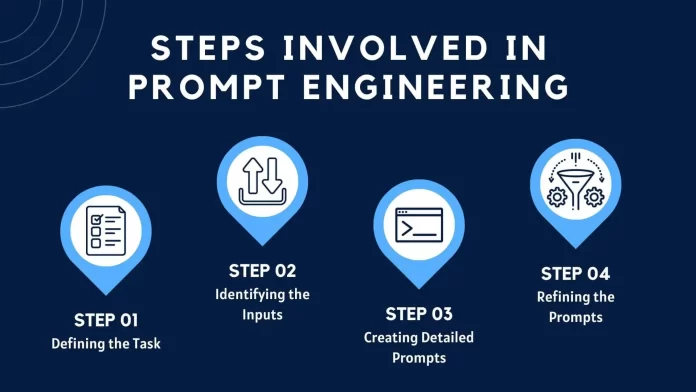
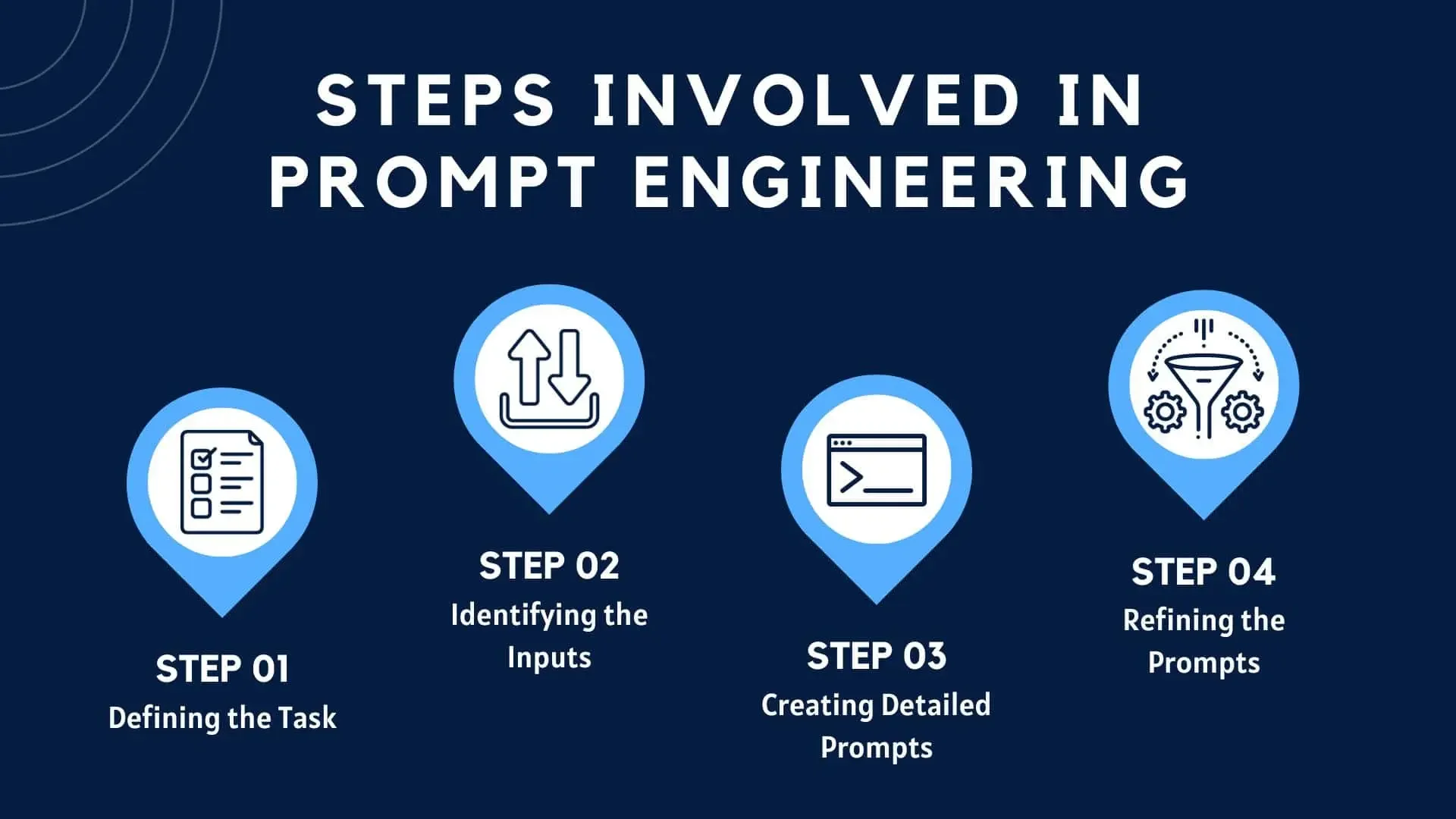
Step 1: Crafting Effective Prompts
Techniques for Writing Clear Prompts
A frequent issue in prompt engineering is the assumption that the model’s output always appears in a fixed location within the response data. Recognizing that output arrays can contain multiple elements such as tool calls or reasoning tokens helps avoid this mistake. Writing clear prompts involves providing context, using message roles for instructions, and applying structured formats when needed to direct the model toward desired responses efficiently.
Examples of Successful Prompts
For instance, explicitly stating the tone required (“Write a formal business email”) or embedding instructions within an “assistant” role can enhance output quality. Successful prompts often balance specificity with brevity, guiding the AI without overwhelming it. Including examples or desired formats within the prompt can also help, especially when working with complex or multi-step tasks.
Step 2: Iterating and Refining Prompts
Testing Outputs for Quality
Since AI model outputs are non-deterministic, prompt engineering requires repeated testing to ensure reliability. Initial prompts often need refinement after evaluating generated content for relevance, tone, and accuracy. Building evaluation tests (evals) is a practical approach to measure how prompts perform and to detect any degradation in output quality as models evolve.
Adjusting Prompts Based on Results
When outputs deviate from expectations, modifications may include rephrasing instructions, adding constraints, or changing message roles. Selecting or switching model snapshots ensures consistency in behavior, addressing issues arising from model updates. Prompt engineering is iterative; continuous tweaking informed by feedback maximizes content creation efficiency.
Step 3: Integrating Prompt Engineering into Workflow
Automation and Scheduling
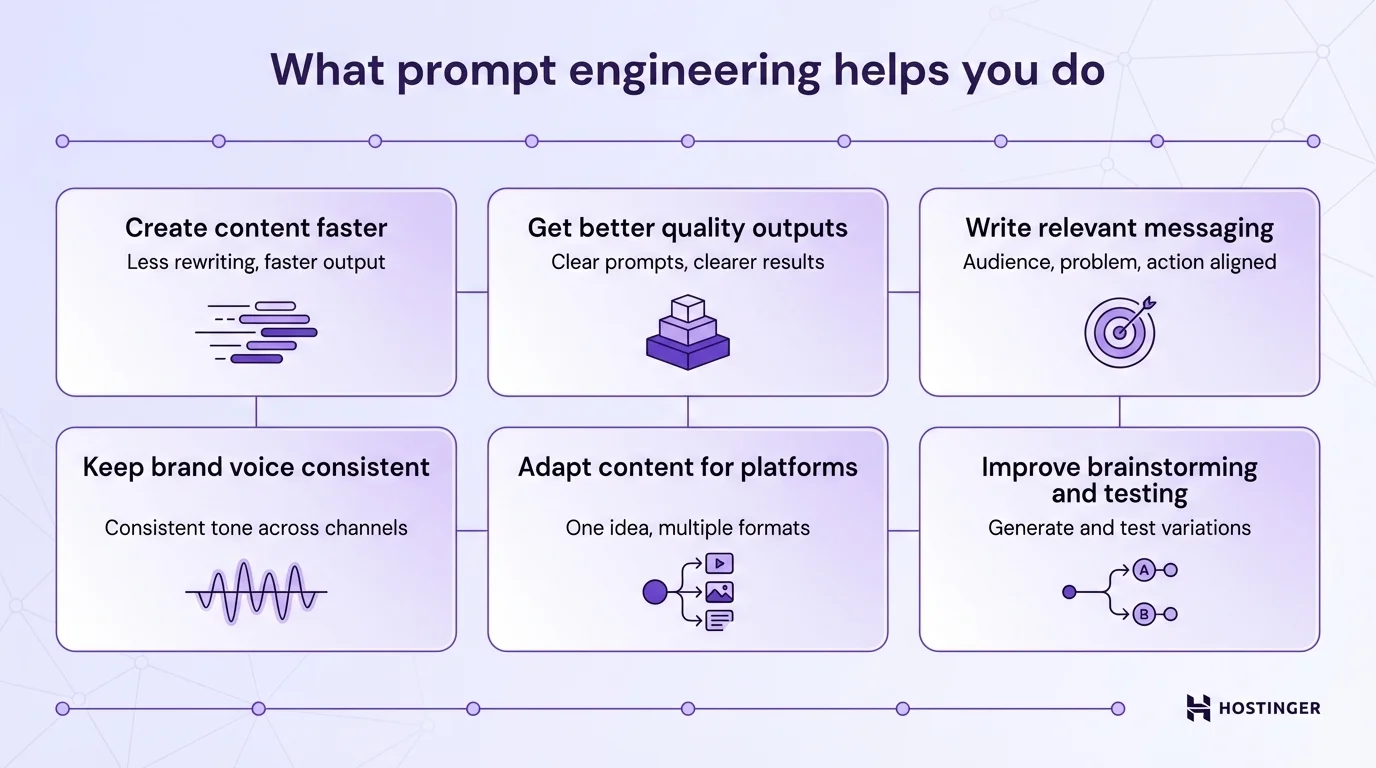
Integrating prompt engineering in daily workflows means leveraging automation tools to schedule and trigger AI content generation tasks. Automating routine writing, editing, or outreach emails can save substantial time. Platforms equipped with prompt templates and APIs allow seamless embedding of these processes into existing content pipelines, minimizing manual intervention.
Collaboration with Content Teams
Prompt engineering is most effective when content creators and AI specialists collaborate. Content teams provide context and goals, while prompt engineers optimize AI instructions. Open communication ensures that AI-generated content aligns with brand voice and editorial standards. Training team members to understand prompt engineering basics fosters better synergy and accelerates adoption.
Advanced Strategies for Maximizing Efficiency
Using Prompt Templates
Creating reusable prompt templates tailored to common content types streamlines prompt generation. Templates embed best practices such as specifying message roles and instructions, reducing the effort required for each new task. This approach also helps maintain consistency across outputs, which is crucial for brand coherence.
Leveraging Feedback Loops
Implementing feedback loops involves collecting user or editor feedback on AI outputs and feeding it back into prompt refinement. This continuous learning process improves prompt quality over time and adapts to changing content needs. Monitoring performance metrics through evals and adjusting accordingly ensures that AI remains a productive partner in content creation.
Measuring the Impact of Prompt Engineering
Key Performance Indicators
To assess the effectiveness of prompt engineering, tracking KPIs such as output relevance, consistency, turnaround time, and cost savings is crucial. Monitoring these indicators helps identify areas where prompts perform well or need improvement. Evaluations also reveal how different models and snapshots affect content quality and efficiency.
Case Studies and Success Stories
Multiple organizations have reported significant boosts in productivity by adopting prompt engineering. For example, teams automating email responses and cold outreach campaigns have saved time and increased engagement rates. Success stories emphasize the importance of combining prompt design with model selection and continuous evaluation for sustainable results.
Challenges and Solutions in Prompt Engineering
Common Pitfalls to Avoid
A key challenge is assuming that AI outputs are always formatted in a predictable manner, such as expecting text only at output[0].content[0].text. This can lead to missed or incomplete data. Additionally, failing to pin production applications to specific model snapshots risks inconsistent behavior over time. Using generic prompts without adaptation to model nuances often results in poor output quality.
Best Practices for Troubleshooting
Addressing challenges begins by using official SDK features that aggregate outputs conveniently and selecting models suited to the task. Building evals to monitor prompt performance ensures early detection of issues. Employing instructions parameters and message roles guides model behavior effectively. Collaborative learning in communities and applying research-backed techniques further enhances troubleshooting capabilities.
Conclusion: Future Trends in Prompt Engineering and Content Creation
As AI models continue to evolve, prompt engineering will become an indispensable skill for content creators. Future trends point toward more sophisticated instructions APIs, better model explainability, and deeper integration of AI into content workflows. Embracing prompt engineering not only boosts efficiency but also democratizes content creation, empowering users to produce high-quality material with greater ease and flexibility.


