Introduction to Smartwatch Battery Life and Performance
Smartwatches have become essential tools for fitness enthusiasts, offering a convenient way to monitor health, track workouts, and stay connected. However, choosing the right smartwatch often boils down to balancing battery life with performance. Many users face the frustrating dilemma of powerful features draining their device’s battery too quickly, limiting how long they can rely on their watch during extended activities or daily use.
The importance of this balance cannot be overstated, especially for those who depend on continuous fitness tracking, GPS navigation, or notifications without constant recharging. Understanding how battery life interacts with a smartwatch’s performance helps users make informed decisions, avoid common pitfalls, and ultimately select a device that matches their lifestyle.
Key Metrics for Fitness Tracking Smartwatches
Battery Capacity and Real-World Endurance
A smartwatch’s battery capacity is a foundational factor affecting its usability, but raw numbers alone don’t tell the full story. Real-world endurance depends on how the watch manages power consumption during specific tasks, such as continuous heart rate monitoring, GPS usage, or running third-party apps. For example, models with high-resolution, always-on displays typically drain battery faster than those with simpler screens. Additionally, background processes and frequent notifications contribute to quicker depletion, which surprises many users who expect their watch to last multiple days.
Processor and Sensor Efficiency
The efficiency of the watch’s processor and sensors directly impacts its battery consumption and performance accuracy. Advanced chips designed for low power operations can extend battery life without sacrificing responsiveness or tracking quality. Some smartwatches also incorporate hybrid interfaces or dual operating systems—for instance, combining Wear OS with a more efficient real-time OS—to optimize background task management. When sensors are too energy-intensive or less accurate, the user experiences shorter battery life and unreliable fitness data, undermining the device’s purpose.
Display Type and Power Consumption
Display technology plays a critical role in power usage. Traditional OLED or AMOLED screens offer vibrant colors but consume more energy when active, especially if brightness is set high or the screen remains always-on. Alternatively, models with transflective or low-power LCD displays consume less energy and are often favored for long-lasting fitness tracking. Brightness settings, screen timeout durations, and the use of power-saving modes significantly influence battery longevity, which consumers often overlook when evaluating devices.
Top Smartwatches Analyzed
Brand A: Strengths in Battery and Fitness Features
Brand A excels at delivering long battery life alongside a robust set of fitness tracking functions. Their use of solar charging technology in models like the Instinct 3 Solar allows users to extend battery endurance indefinitely under light exposure, solving the common problem of frequent recharging. This model also integrates reliable GPS tracking and comprehensive health metrics, making it ideal for outdoor enthusiasts and travelers who prioritize uninterrupted use. However, its bulkier design may not appeal to those seeking a sleeker look.
Brand B: Performance Versus Battery Trade-offs
Brand B offers smartwatches with cutting-edge processors and bright, vivid displays that enhance user interaction and workout feedback. However, these advantages come with a trade-off—shorter battery lives caused by power-hungry features and continuous background tasks common in Wear OS devices. While activating Power Saver modes can stretch battery life, users must accept limitations in smart functionality during these periods. Despite this, Brand B’s watches are preferred by users who want the latest technology and app compatibility but are willing to recharge more frequently.
Brand C: Innovations Enhancing User Experience
Brand C introduces fluid user interfaces and hybrid operating systems that cleverly balance performance and efficiency. For example, the OnePlus Watch 3 uses a Wear OS Hybrid Interface combined with a Real-Time Operating System (RTOS) to efficiently manage background processes, extending battery life without compromising on features. Fast charging technologies such as VOOC charging also reduce downtime, enabling users to quickly recharge large batteries. Additionally, Brand C models emphasize intuitive controls and versatile fitness modes to attract both casual and serious fitness trackers.
Comparative Test Results
Battery Life Under Typical Usage
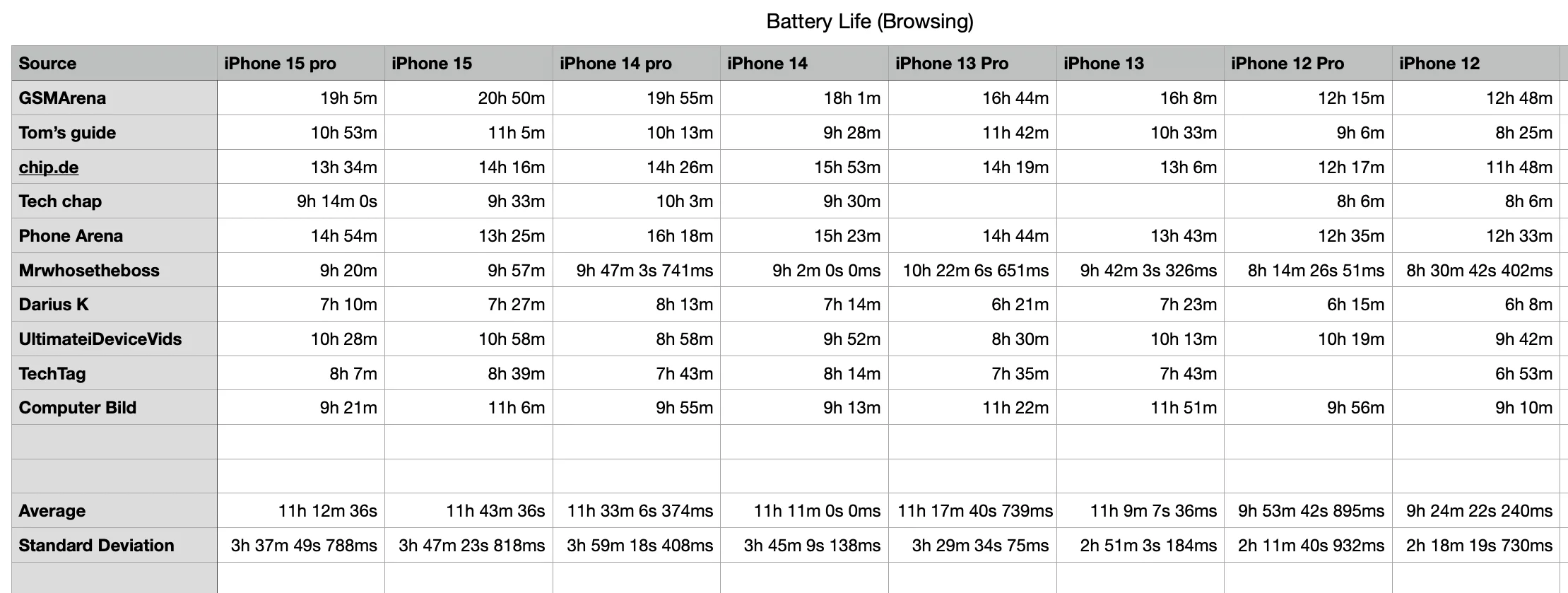
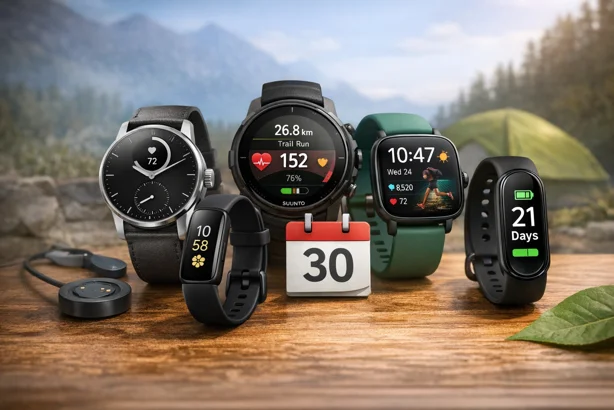
In real-world tests, smartwatches reveal significant differences in battery endurance. Devices with standard OLED displays and continuous heart rate monitoring typically last one to two days, while those with low-power screens and solar charging capabilities can extend usage up to several weeks. The use of power-saving modes can double battery life in some cases but at the cost of disabling advanced features like music control and notifications. Wear OS watches often require daily charging due to background activity, highlighting the importance of efficient task management in battery life.
Tracking Accuracy Across Different Activities
Accuracy in fitness tracking varies widely among top smartwatches. Heart rate sensors, GPS modules, and workout modes differ in precision, which impacts the reliability of collected data. Watches optimized for fitness usually provide consistent and detailed exercise metrics, but some budget-friendly models may lack detailed workout insights or advanced sensor capabilities. Furthermore, subscription-based features limit full access to metrics on certain models, a factor users must consider when comparing devices beyond battery life alone.
Impact of Software Updates on Performance
Software updates can improve device performance and fix bugs but may also affect battery life unexpectedly. Some updates introduce new features that increase processing demand, leading to faster battery drain. Conversely, firmware optimizations can enhance sensor accuracy and power efficiency. Users should monitor update notes and test battery impact after installing new software to maintain the best balance between functionality and endurance.
Choosing the Right Smartwatch Based on Your Fitness Needs
Selecting the perfect smartwatch requires matching features, battery life, and performance to your specific fitness goals and lifestyle. Start by narrowing options based on your budget and essential features such as GPS, water resistance, and health metrics. Consider devices known for battery longevity if you travel frequently or spend extended time outdoors. Activation of Power Saver modes is beneficial but should be used selectively since it reduces smart functionality. Equally, don’t overlook ease of use—watches with intuitive interfaces and comfortable fit encourage consistent wear and accurate tracking.
When comparing models, pay attention to common mistakes such as choosing solely based on brand reputation without assessing battery performance or assuming all Wear OS watches share the same efficiency. Also, evaluate fast charging capabilities, sensor accuracy, and whether subscription services are required to access full features. Trusted reviews and hands-on testing results can provide valuable insight into real-world performance and help avoid disappointments.
For example, the Fitbit Air stands out for users wanting a lightweight, affordable tracker focused on sleep and heart rate without a screen, while the Fitbit Charge 6 offers more elaborate workout tracking and integrated GPS. The Apple Watch Series 11 enhances battery life and includes advanced health notifications but retains many sensors from previous models. Samsung’s Galaxy Watch 8 provides AI coaching and detailed health metrics, though its one-day battery life limits continuous use. Balancing these factors ensures you pick a smartwatch that keeps pace with your fitness journey and daily demands.