
Introduction to AI-Powered Customer Support
Overview of AI in Customer Service
Artificial intelligence has become a cornerstone in modern customer support, enabling businesses to handle inquiries efficiently and around the clock. AI-powered systems process vast amounts of data, respond instantly, and can manage repetitive tasks, freeing human agents to focus on complex issues. From chatbots to voice assistants, AI enhances service availability and consistency while reducing operational costs.
Importance of Effective Prompt Design
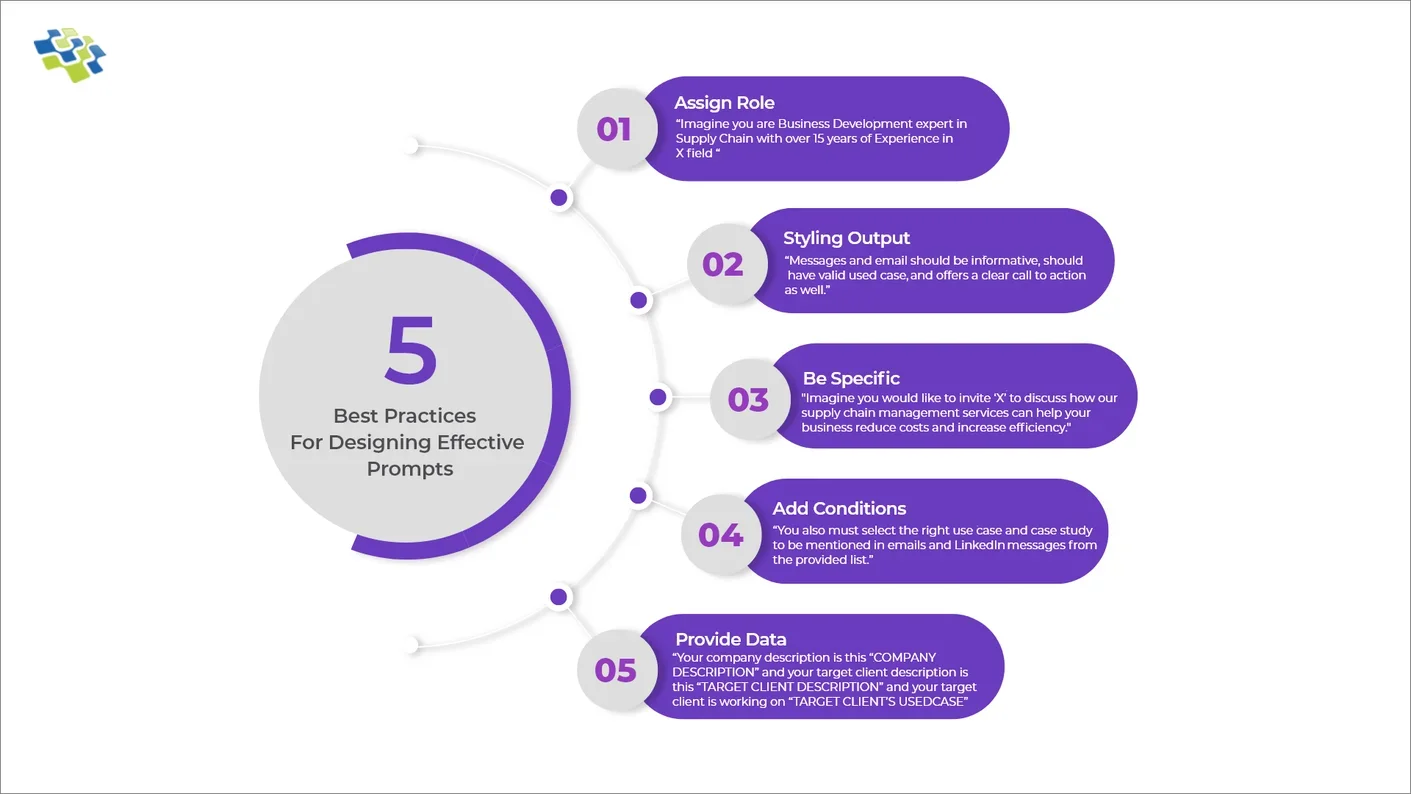
At the heart of AI-driven support lies the design of interaction prompts. These prompts guide AI responses, shaping how customers experience the service. Poorly designed prompts can lead to generic, unempathetic, or confusing replies, which diminish user satisfaction. Conversely, well-crafted prompts align with brand voice, anticipate user needs, and foster trust, making prompt design a critical factor in maximizing AI efficiency and customer engagement.
Core Principles of Designing Effective AI Prompts
Clarity and Precision
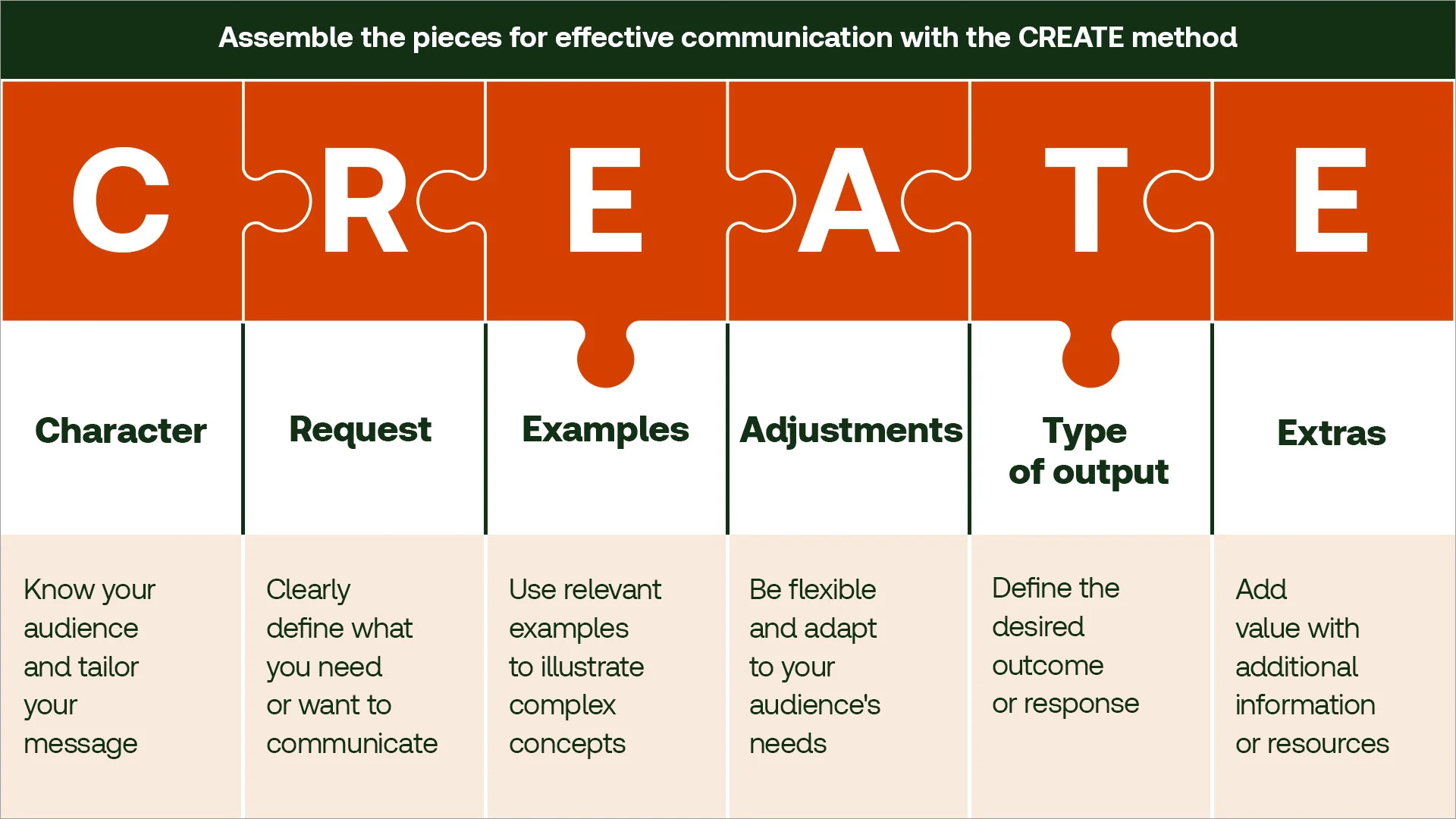
Prompts must be clear and specific to steer AI towards accurate and relevant responses. Ambiguity or vagueness often results in generic or off-target answers that frustrate customers. Effective prompts avoid unnecessary complexity and include precise instructions, enabling AI to understand the task and desired output without confusion.
Context Awareness
Providing sufficient context within prompts helps AI tailor its responses appropriately. Context includes customer history, inquiry type, and conversational tone. Without this, AI may produce irrelevant answers or miss nuances, leading to unsatisfactory interactions. Incorporating persona details or situational background improves AI understanding and response relevance.
Conciseness vs. Completeness
A balance between brevity and informativeness is essential. Overly long prompts with extraneous details can confuse AI models, while overly brief prompts may lack critical information. Effective prompt design delivers all necessary guidance in a straightforward manner, ensuring AI responses are both accurate and efficient.
Types of Prompts for Customer Support Bots
Informational Prompts
These prompts provide customers with clear answers to frequently asked questions or product details. Structured and standardized, they ensure consistency across channels. Informational prompts should be concise yet comprehensive enough to fully address common customer inquiries without requiring multiple follow-ups.
Clarification and Follow-Up Prompts
When an initial customer query is ambiguous or incomplete, clarification prompts help gather more details. Follow-up prompts maintain conversational flow and demonstrate attentiveness, reducing misunderstandings. Crafted politely and empathetically, these prompts encourage customer engagement and information sharing.
Escalation Triggers
Certain prompts detect when AI cannot resolve an issue or when emotions run high, signaling the need to escalate the conversation to a human agent. These triggers are vital for maintaining customer satisfaction by ensuring complex or sensitive concerns receive appropriate attention without delay.
Technical Considerations for Prompt Engineering
Natural Language Processing Constraints
AI models rely on natural language processing to interpret prompts, but they have limitations. Complex or awkward phrasing can yield incorrect output, so prompts should use everyday language, avoid jargon, and be structured simply. Understanding these constraints informs prompt design to optimize comprehension and accuracy.
Handling Ambiguity and Variability
Customer input varies widely in wording and clarity. Prompts must be robust against this variability by guiding AI toward consistent interpretation. This involves clearly defining expected response formats and incorporating fallback options if AI confidence is low, reducing errors and improving reliability.
Integration with Backend Systems
Effective prompts often rely on real-time data from backend systems like CRM or knowledge bases. Designing prompts that can pull contextual information dynamically enhances personalization and timeliness. Technical integration ensures AI responses are accurate and aligned with current policies and inventory.
Improving Customer Engagement Through Prompt Design
Personalization Strategies
Personalized prompts reflect individual customer preferences, purchase history, and previous interactions. Such customization makes AI responses feel more human and relevant, increasing satisfaction. Leveraging data-driven approaches to craft personalized recommendations or greetings strengthens customer relationships.
Maintaining Conversational Tone
Prompt language should mimic natural, friendly conversation to make interactions more engaging. Avoiding robotic or overly formal phrasing helps customers feel understood and valued. Empathy and attentiveness embedded in prompts improve rapport and reduce frustration, especially during complaint handling.
Feedback Loops and Adaptive Learning
Including prompts that request customer feedback opens channels for continuous improvement. AI systems can adapt based on user responses and behavior analysis, refining prompt effectiveness over time. This iterative learning process helps maintain high support quality and responsiveness.
Testing and Optimizing AI Prompts
Performance Metrics to Track
Key indicators like response accuracy, resolution time, customer satisfaction scores, and escalation rates reveal prompt effectiveness. Monitoring these metrics guides adjustments and prioritizes areas for improvement, ensuring AI support consistently meets business goals.
Iterative A/B Testing
Running controlled experiments with variant prompts helps identify which formulations yield better outcomes. A/B testing encourages incremental improvements in clarity, tone, and engagement. Prompt refinement through testing reduces errors and enhances user experience.
User Behavior Analysis
Analyzing conversation logs and user interactions reveals patterns, common pain points, and prompt failures. Insights from behavior data inform prompt redesign to address issues proactively, resulting in smoother and more productive support dialogues.
Challenges and Pitfalls to Avoid
Overloading the User
Providing too much information or asking complex questions can overwhelm customers, leading to disengagement. Prompts should be simple and focused, avoiding unnecessary details that distract from the main purpose of the interaction.
Ignoring Cultural and Language Nuances
Neglecting regional language differences and cultural expectations may cause miscommunication or offense. Prompt design should consider localization and sensitivity to diverse audiences to foster inclusivity and trust.
Failure to Update Prompts Regularly
Changing product offerings, policies, or customer preferences require prompts to be continuously revised. Outdated prompts can cause confusion, misinformation, and lost opportunities. Regular review and updates maintain prompt relevance and reliability.
Conclusion: Future Trends in AI Prompt Design for Customer Support
The future of AI-powered customer support will see increasingly sophisticated prompt designs leveraging advanced natural language understanding and contextual awareness. Prompts will become more adaptive, learning continually from interactions to offer hyper-personalized experiences. Combining human empathy with AI efficiency, prompt engineering will remain central to delivering seamless, trusted support that evolves with customer expectations.


