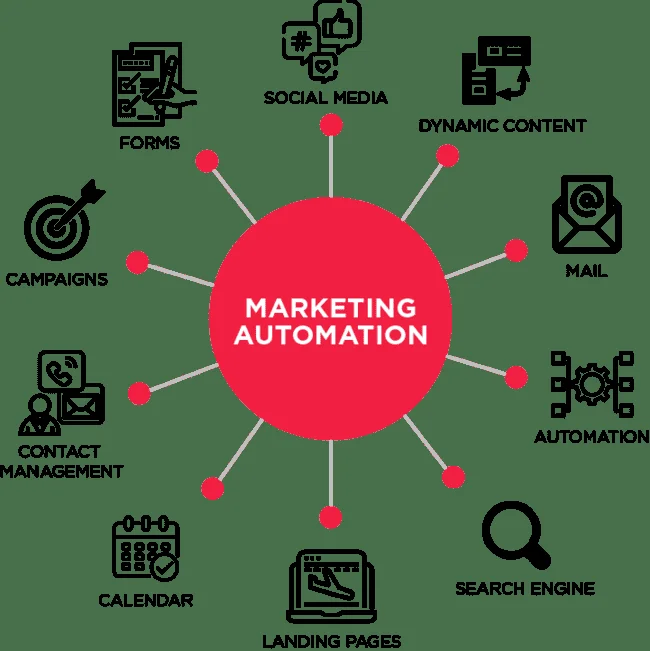

Understanding the Role of Automation in Email Marketing
Why Automation is a Game-Changer for Email Campaigns
Imagine Sarah, a small online retailer juggling multiple roles in her business. Managing email marketing manually meant spending hours crafting individual messages and sending them out one by one, often missing key moments to engage her customers. When she implemented automation, she could trigger emails based on customer actions like signing up or abandoning a cart, ensuring timely and relevant communication without lifting a finger. Automation transforms email marketing from a time-consuming chore into a strategic advantage, enabling businesses to engage customers at the right moment without constant hands-on effort.
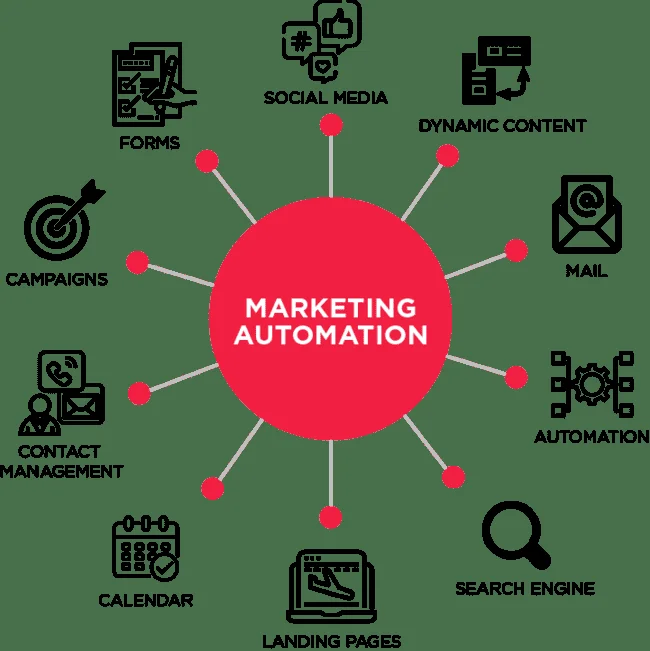
Key Benefits: Time Savings, Personalization, and Scalability
Automation brings multiple benefits, especially evident when you scale. Time savings are among the most immediate gains. For example, an ecommerce team that previously sent promotional emails manually can now schedule entire campaigns in advance and let automation handle the delivery. Personalization also improves, as automation tools use customer data such as purchase history and browsing behavior to tailor content uniquely. This combination of efficiency and personalized messaging allows companies to reach larger audiences effectively, maintaining quality as their subscriber lists grow.
Setting Up Your Email Automation System
Choosing the Right Automation Tools for Your Business
Mark, running a mid-sized fashion brand, faced challenges selecting an email automation platform. He needed a tool that balanced ease of use with advanced features like segmentation and trigger-based emails. After testing several platforms, he settled on one with a user-friendly builder and strong integration capabilities. Choosing the right tool means understanding your specific needs — whether it’s robust analytics, easy workflow design, or seamless CRM connectivity — and evaluating options based on these priorities rather than just price or popularity.
Integrating Email Platforms with CRM and Analytics
Integration is critical for truly effective automation. For instance, when Laura’s fitness club combined its email software with its CRM system, they could synchronize membership data to automate renewals and upsells. Analytics integration also plays a vital role; it helps track open rates, conversions, and customer journeys across multiple touchpoints. Without syncing these systems, campaigns risk becoming data silos, limiting insight into what truly drives customer engagement and purchase decisions.
Segmentation and Targeting Automation
Creating Dynamic Segments Based on User Behavior
John’s home decor store initially sent broad newsletters to their entire list, but many recipients found the content irrelevant and unsubscribed. By setting up dynamic segments that automatically updated based on behaviors like recent purchases or website visits, John could send targeted emails promoting products that matched users’ interests. For example, a customer who browsed lighting fixtures received specialized offers on lamps and fixtures, increasing click-through rates and conversions significantly.
Personalizing Email Content through Automated Data Collection
Personalization fueled by automated data collection made a major difference for a boutique travel agency. Instead of generic promotions, their emails featured custom trip suggestions based on previous inquiries and bookings. However, they balanced this by not asking for excessive personal information upfront, which had earlier deterred sign-ups. As a result, their emails felt helpful rather than intrusive, fostering stronger trust and engagement from recipients.
Designing Effective Automated Campaign Workflows
Welcome Series and Onboarding Sequences
When new subscribers join an online bookstore, a well-crafted welcome series can set the tone for ongoing communication. The store’s automated onboarding sequence introduced readers to different genres, highlighted bestsellers, and offered a first-purchase discount. This gradual engagement helped convert curious visitors into loyal customers who felt a personal connection with the brand.
Abandoned Cart and Re-Engagement Campaigns
Emma’s ecommerce site struggled with high cart abandonment rates. By employing automated abandoned cart emails triggered one hour, 24 hours, and a week after cart abandonment, each including product images, reviews, and limited-time discounts, she managed to recover a significant portion of lost sales. Similarly, re-engagement campaigns targeted inactive subscribers with tailored incentives, renewing interest without overwhelming the inbox.
Post-Purchase Follow-Ups and Loyalty Programs
One of the most valuable automated workflows is post-purchase follow-ups. After a purchase, sending confirmation, shipping updates, and later collection of reviews strengthens the customer relationship. A local artisan jewelry maker used automated emails to recognize birthdays and anniversaries, offering exclusive promotions that boosted repeat purchases and built word-of-mouth loyalty. These thoughtful touches make customers feel valued rather than processed by an impersonal machine.
Optimizing Campaign Timing and Frequency
Using Automation to Send Emails at Optimal Times
Identifying the best time to send emails can greatly impact engagement. By analyzing past campaign data, a food delivery service discovered that emails sent late mornings during weekdays generated the highest open rates. Automation allowed them to schedule future campaigns precisely in this window, adjusting timing dynamically based on recipient time zones. This ensured maximum visibility and responsiveness without manual intervention.
Balancing Frequency to Avoid Subscriber Fatigue
Maria, managing a cosmetics brand, found that sending too many automated emails caused her subscribers to disengage and unsubscribe. She implemented frequency controls within her automation platform, limiting messages per week and spacing campaigns appropriately. This balance maintained steady engagement, preventing email fatigue while keeping the brand top of mind. Finding this sweet spot often involves ongoing monitoring and fine-tuning.
Measuring and Refining Automation Success
Tracking Key Metrics: Open Rates, CTR, and Conversions
A nonprofit organization running automated donation appeals monitored open rates to gauge initial interest, but also focused on click-through rates (CTR) and actual conversion metrics to evaluate true campaign effectiveness. They adjusted content and subject lines to improve these metrics. For example, emails with emotionally appealing stories saw higher engagement and contributions, highlighting the importance of measuring beyond just opens.
A/B Testing Automated Email Variations
To optimize automation workflows, testing different elements is essential. A software startup experimented with subject lines and calls to action in its onboarding emails to see which combinations boosted trial sign-ups. By splitting the audience and analyzing response data, they refined their messaging and increased conversions significantly. Testing also helped them identify where recipients dropped off in workflows, enabling targeted improvements.
Common Pitfalls and How to Avoid Them
Over-Automation: Maintaining the Human Touch
Many businesses fall into the trap of making their automated emails too robotic, lacking warmth and personality. For instance, a subscription box company initially sent purely transactional messages with no conversational tone, which customers perceived as cold. After incorporating friendly language, personalized greetings, and occasional handwritten-style notes, engagement improved. Automation should free marketers to add a human touch, not eliminate it.
Data Privacy and Compliance in Automated Campaigns
Compliance with regulations like GDPR in Europe or CASL in Canada can’t be overlooked. A digital service provider learned the hard way that collecting excessive data during signup, without clear consent, reduced subscribers and risked penalties. Simplifying the opt-in forms and adding clear privacy statements ensured compliance and rebuilt trust. Properly managing data and respecting privacy creates a loyal audience and protects the brand’s reputation.


