Introduction to Arduino and Smart Plant Watering Systems
Why Busy Homeowners Need Automated Plant Care
In today’s fast-paced world, many homeowners find it challenging to dedicate consistent time to plant care. Busy schedules, travel, and other commitments often lead to neglecting watering routines, which can affect plant health. Automated plant watering systems offer a solution by ensuring that plants receive the right amount of water without requiring constant attention. These systems help maintain optimal soil moisture levels, reducing the risk of overwatering or underwatering while promoting healthier and more vibrant plants.
Overview of Arduino Technology in Gardening
Arduino, an open-source electronics platform, has become increasingly popular in home gardening projects due to its versatility and ease of use. It allows hobbyists and professionals alike to create customized automation systems by connecting sensors, actuators, and controllers. In plant watering applications, Arduino boards collect data from moisture sensors and control water pumps accordingly. This technological approach not only automates routine tasks but also enables precise control based on real-time environmental conditions, enhancing plant care efficiency.
Essential Components for the Smart Watering System
Choosing the Right Arduino Board
Selecting an appropriate Arduino board is the first step when building a smart watering system. The Arduino Uno is a popular choice because of its wide support, ease of programming, and sufficient input/output pins to connect multiple sensors and actuators. Additionally, its compatibility with numerous modules such as relays, displays, and communication devices makes it a versatile platform for expanding system capabilities in the future.
Types of Soil Moisture Sensors
Soil moisture sensors are crucial for detecting when plants need watering. Two common types include resistive sensors and capacitive sensors. Resistive sensors measure soil conductivity, which changes with moisture content but can corrode over time. Capacitive sensors detect changes in the dielectric constant of the soil, offering longer durability and more stable readings. Choosing the right sensor depends on budget, reliability, and accuracy requirements.
Water Pumps and Tubing Options
The water delivery mechanism relies on pumps and tubing suited for small-scale gardening projects. Submersible pumps are commonly used because they efficiently move water from a reservoir through the tubing directly to the plant’s soil. Flexible tubing of appropriate diameter ensures smooth water flow without clogging, and secure connections prevent leaks. It is important to size the pump to provide adequate pressure while conserving power.
Power Supply Considerations
An uninterrupted power source is essential for continuous operation. Typically, a stable DC power supply such as a 12V adapter powers the water pump, while the Arduino board can run on 5V. For outdoor or remote placements, battery packs or solar panels can be added to enhance portability and reduce dependency on grid electricity. Planning power requirements carefully helps avoid unexpected system failures.
Step-by-Step Guide to Building Your Smart Watering System
Setting up the Arduino and Sensors
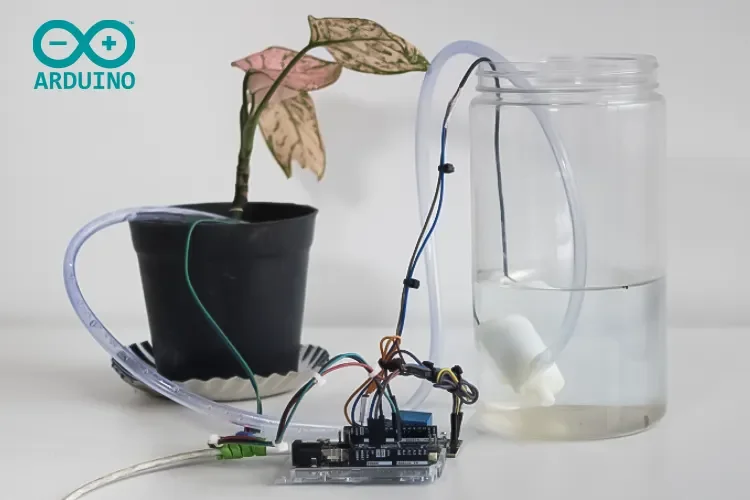
Begin by wiring the soil moisture sensor to the Arduino’s analog input pins. Connect the water pump through a relay module to control its power safely. For comprehensive monitoring, consider incorporating additional sensors such as the BME280 for temperature and humidity, and an ultrasonic sensor to track water levels in the reservoir. Ensure all sensor connections are secure, paying close attention to wiring to avoid issues like failing to detect sensors properly. Using an OLED display can provide real-time feedback on sensor readings and system status.
Programming the Arduino for Moisture Detection
Next, write the Arduino sketch to read soil moisture sensor data at regular intervals. To prevent unnecessary watering, implement logic that checks for multiple consecutive low moisture readings before activating the pump. This approach helps verify that the soil is truly dry. Use the Arduino IDE to upload the code, and include routines to display sensor values on the OLED screen. Adding non-blocking delay techniques and counters ensures the system remains responsive during sensor polling and watering cycles.
Integrating the Water Pump with Arduino
With sensor readings validated, program the Arduino to control the relay module connected to the water pump. When moisture levels drop below a set threshold, the relay activates the pump, delivering water to the plants. Monitor water usage by using the ultrasonic sensor to measure reservoir levels, and trigger alerts or shut off the pump if the water supply is low, protecting the pump from damage. Adding visual indicators like LEDs can provide immediate user feedback on watering status and water availability.
Testing the Complete Setup
Before deploying the system, conduct thorough testing. Check sensor readings under various soil moisture conditions to confirm accurate detection. Test the relay and pump activation to ensure proper watering timing and volume. Verify that the OLED display updates correctly and that indicators such as LEDs or piezo buzzers respond appropriately. Adjust code parameters if necessary to optimize watering frequency and duration. This step ensures the system operates reliably once installed in your home garden.
Enhancements and Customizations
Adding Wi-Fi Connectivity for Remote Monitoring
To further enhance your smart watering system, consider integrating Wi-Fi modules like the ESP8266 or ESP32. This allows remote monitoring of soil moisture and environmental data via the internet. You can receive alerts, check sensor readings, and control watering schedules from a smartphone or computer, making plant care even more convenient for busy homeowners.
Incorporating a Mobile App Interface
Building or using existing mobile applications can provide an intuitive interface for interacting with your watering system. Mobile apps can display graphical data, history logs, and real-time alerts, allowing users to customize watering plans remotely. With app integration, users can receive notifications if the water reservoir is low or if sensors detect abnormal conditions, enabling proactive maintenance.
Advanced Scheduling and Alerts
Beyond simple moisture-triggered watering, advanced scheduling enables users to set specific watering times or intervals. Combining sensor inputs with weather forecasts further refines watering decisions, preventing unnecessary irrigation during rainy periods. Alerts can be configured to notify users of maintenance needs or sensor failures, ensuring continuous optimal operation.
Maintenance Tips and Troubleshooting
Regular Sensor Calibration
Periodic calibration of soil moisture and environmental sensors helps maintain accurate readings. Soil conditions can vary over time, and sensor drift is common. Calibrating involves comparing sensor outputs with standard measurements and adjusting thresholds accordingly. Keeping sensors clean and dry when not in use prolongs their lifespan and reliability.
Common Issues and Fixes
Common challenges include sensor detection failures often caused by incorrect wiring or component faults. If the BME280 sensor is not detected, recheck all connections and ensure the sensor is powered correctly. Avoid relying on raw, unfiltered sensor data for watering decisions, as noisy or fluctuating readings can cause excessive watering. Incorporate debounce logic or averaging techniques to smooth data inputs.
Monitor water levels diligently to prevent the pump from running dry, which may damage it. Adding LED indicators or audible alerts provides timely feedback to the user. Lastly, minimize the use of long blocking delays in the code to keep the system responsive and capable of timely reaction to changing conditions.
Conclusion
Benefits of Automated Plant Watering for Busy Lives
Automated plant watering systems based on Arduino technology offer significant benefits for homeowners with limited time. They provide consistent care tailored to the plants’ needs, reduce water waste, and enhance plant health. By automating routine maintenance, users gain peace of mind knowing their plants thrive even during busy or travel periods.
Future Trends in Smart Gardening Technologies
The future of smart gardening is promising, with advancements in IoT, AI-driven analytics, and sensor miniaturization. These technologies will enable even smarter irrigation systems that learn from plant behavior, soil conditions, and weather forecasts to optimize care autonomously. Integration with voice assistants and expanded cloud connectivity will further simplify gardening for everyone, making green spaces more accessible and sustainable.