
Introduction to IoT Automation in Industrial Equipment Monitoring
Overview of IoT Applications in Industry
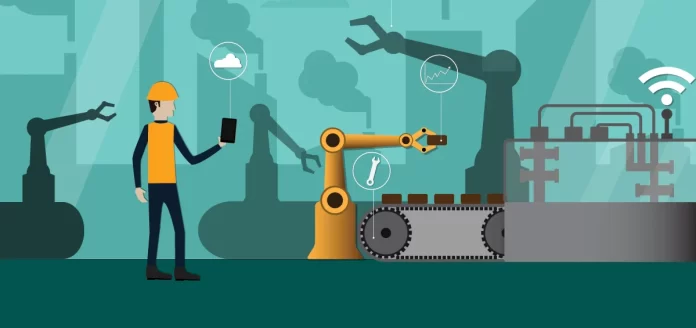
Industrial IoT (IIoT) has revolutionized equipment monitoring by embedding sensors and connectivity into machinery. This digital transformation enables real-time data collection and analysis, improving operational efficiency, predictive maintenance, and resource management. Industries such as manufacturing, energy, and transportation increasingly rely on IoT automation to optimize processes and reduce downtime.
Importance of Automation for Equipment Monitoring
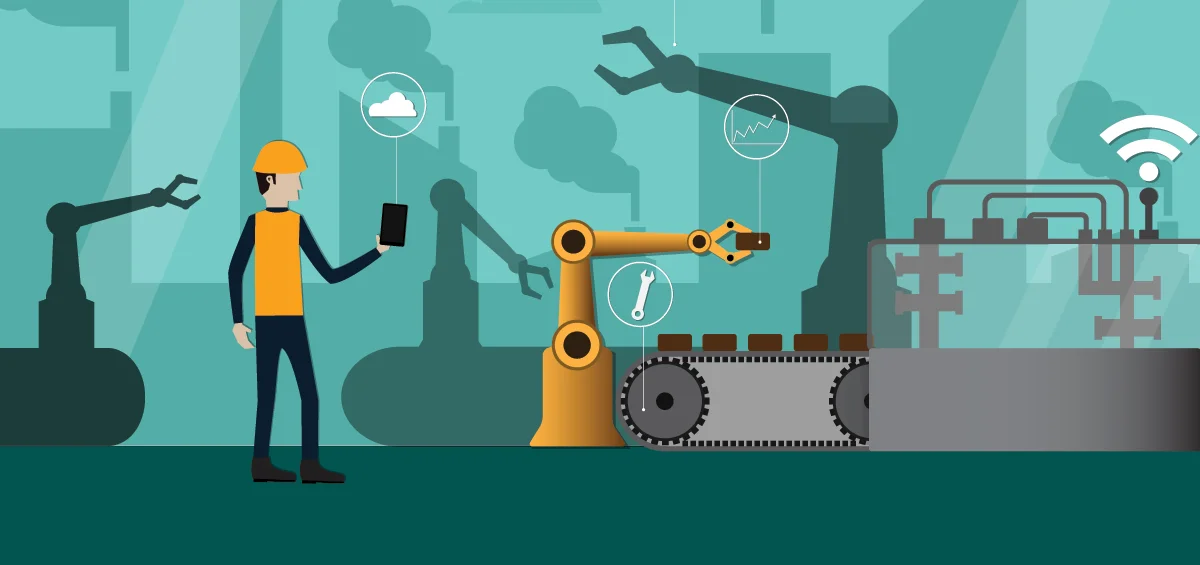
Automation accelerates data acquisition and decision-making, reducing the need for manual inspections. By continuously monitoring equipment health, automated systems can quickly detect anomalies and trigger alerts before failures occur. This proactive approach minimizes costly downtime, extends asset life, and enhances overall safety and compliance in industrial environments.
Identifying Common Problems in IoT-Driven Industrial Monitoring
Sensor Malfunctions and Data Inaccuracies
Sensors embedded in industrial equipment face challenges such as limited processing power, memory constraints, and exposure to harsh environmental conditions. These factors can lead to data inaccuracies or failures, which complicate decision-making. Additionally, outdated or unpatched firmware may cause incompatibilities and unreliable measurements, highlighting the need for vigilant device management.
Connectivity and Network Failures
Industrial IoT systems operate over varied communication protocols like Zigbee, LoRaWAN, and Bluetooth Low Energy, often fragmented across Wi-Fi, cellular, and wired networks. This diversity introduces intermittent connectivity, latency issues, and bandwidth constraints. Consequently, gaps in telemetry data and difficulty distinguishing network failures from device malfunctions arise, disrupting monitoring reliability.
Software Integration Challenges
Legacy IT monitoring tools may not support specialized IoT protocols, leading to integration difficulties. Moreover, the exponential growth of connected devices overwhelms traditional systems, causing sluggish interfaces and delayed alerts. Security risks also complicate integration, as many platforms lack built-in safeguards, leaving systems vulnerable to unauthorized access and data breaches.
Root Cause Analysis Techniques for IoT Issues
Diagnosing Hardware vs. Software Problems
Distinguishing between hardware faults and software glitches is essential for effective troubleshooting. Hardware issues often manifest through sensor failures, data inconsistencies, or physical damage detectable via diagnostics. Software problems may cause erratic performance, firmware incompatibilities, or communication errors. Combining device-level logs with application data enhances diagnosis accuracy.
Tools and Methods for Monitoring IoT Device Health
Comprehensive device health monitoring employs solutions that track metrics like error rates, battery life, and time since last successful communication. Edge computing enables local analysis to detect anomalies quickly, while cloud platforms aggregate data for cross-device insights. Employing scalable ingestion pipelines and integrated security monitoring strengthens overall system visibility.
Effective Solutions to Overcome Automation Barriers
Implementing Robust Sensor Calibration
Regular sensor calibration corrects measurement drift and ensures data accuracy. Centralizing calibration data management simplifies the process across large fleets. Implementing automated calibration routines supported by smart algorithms reduces manual intervention and maintains consistent sensor performance in diverse operating conditions.
Enhancing Network Reliability and Redundancy
Designing networks with multiple communication pathways and buffer storage mitigates connectivity disruptions. Hybrid models using edge processing alongside cloud analytics reduce latency and maintain critical operations during network outages. Employing intelligent filtering reduces data overload and prioritizes essential telemetry, improving monitoring system responsiveness.
Utilizing Middleware for Seamless System Integration
Middleware solutions bridge protocol differences and abstract complexity across heterogeneous IoT devices. These platforms enable flexible data ingestion, normalization, and secure communication, facilitating interoperability with traditional IT systems. Middleware enhances scalability and supports the deployment of advanced analytics and machine learning applications.
Best Practices for Maintaining Industrial IoT Systems
Routine Maintenance and Firmware Updates
Consistent maintenance and timely firmware upgrades are critical to preventing vulnerabilities and ensuring compatibility. Prioritizing security patches alongside feature updates protects systems from emerging threats. A structured device management strategy minimizes downtime and maintains compliance with industry standards.
Proactive Monitoring to Prevent Downtime
Monitoring should encompass device health, network status, and security posture to detect potential issues early. Predictive maintenance leverages analytics to forecast failures, reducing unplanned disruptions. Centralized dashboards enable operators to track key performance indicators and respond promptly, preserving operational continuity.
Case Studies: Overcoming IoT Automation Failures
Real-world Examples of Troubleshooting Success
Several industrial operators have transformed their IoT monitoring through hybrid edge-cloud approaches. By implementing edge analytics, companies reduced network bandwidth consumption and latency, enabling faster anomaly detection. Integrating middleware accelerated system integration, resolving protocol incompatibility challenges. These improvements led to enhanced uptime, cost savings, and improved safety compliance.
Conclusion: Future Trends and Improvements in IoT Monitoring
As industrial IoT ecosystems expand, scalable and secure monitoring will remain paramount. Emerging trends include broader adoption of AI-driven analytics, end-to-end security frameworks, and privacy-preserving edge processing. Continuous innovation in automation and device management promises more resilient, efficient, and intelligent industrial operations in the years ahead.


