
Introduction to AI-Based Data Analytics in Market Research
Understanding the Basics of AI and Data Analytics
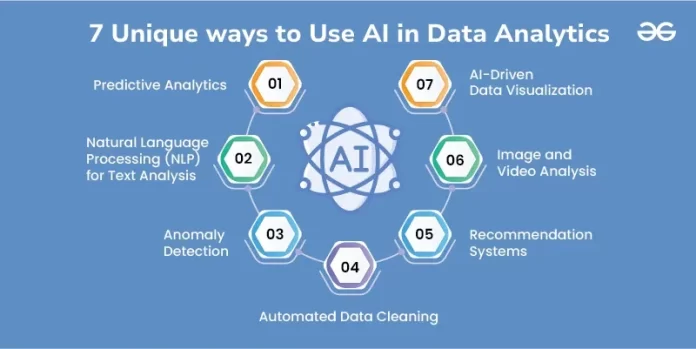
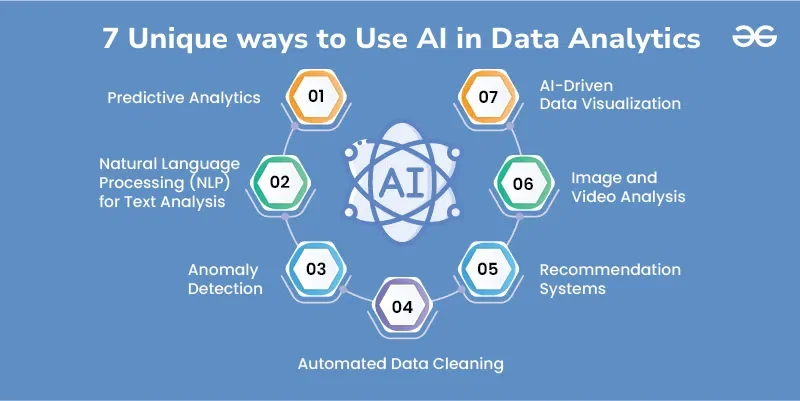
AI-based data analytics combines artificial intelligence technologies with advanced data processing techniques to uncover patterns and insights from large datasets. It automates and accelerates the analysis process, allowing businesses to interpret consumer behavior and market trends more effectively. This synergy enables researchers to process both structured and unstructured data, transforming raw information into actionable intelligence.
The Evolution and Importance of AI in Market Research
Market research traditionally relied on manual data gathering and analysis, which was often time-consuming and limited in scope. The advent of AI has revolutionized this field by offering faster, deeper, and more accurate insights. Generative AI tools can now streamline research workflows, reducing the time to insight and expanding the range of data sources available. This evolution is crucial as consumer behaviors and preferences become increasingly dynamic and complex.
Core Features of AI Data Analytics Tools
Data Collection and Integration Capabilities
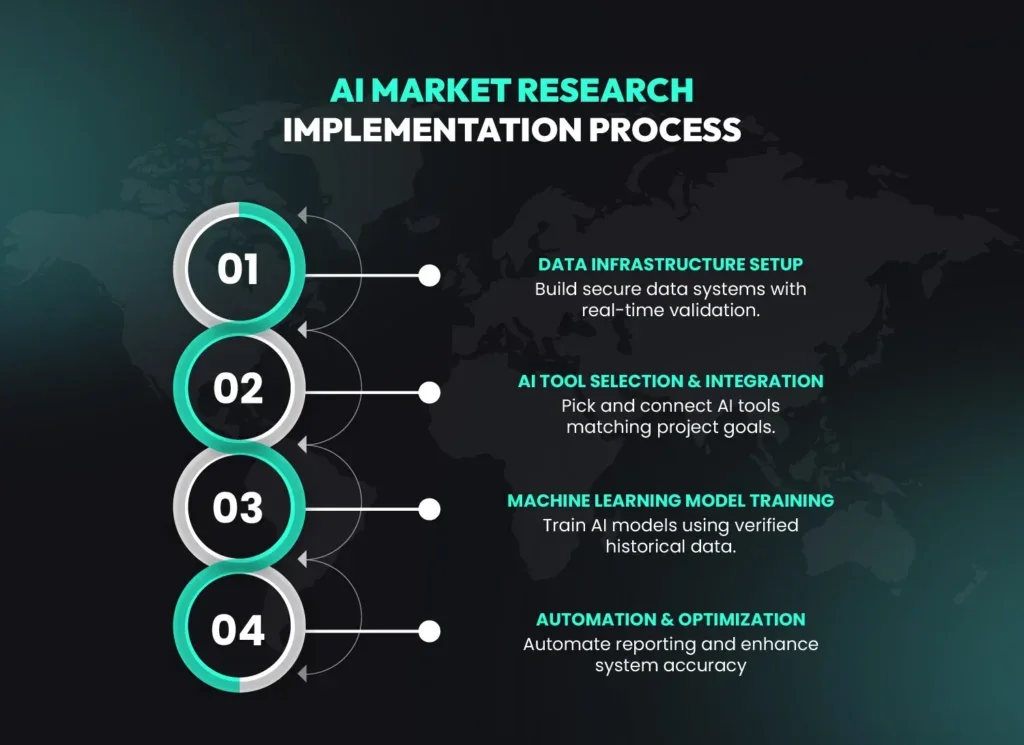
Modern AI tools excel at gathering data from diverse sources, including social media, surveys, sales records, and public databases. Integration features, especially with platforms like Google Drive, enhance efficiency by allowing seamless data import and export. This connectivity ensures that AI models work with up-to-date and context-rich information, improving the quality of the research output.
Advanced Predictive Analytics and Trend Detection
Predictive analytics uses historical and real-time data to forecast future market behaviors. AI models analyze complex datasets to identify emerging trends and potential opportunities before they become obvious. This capability allows businesses to stay ahead of competitors and make proactive strategic decisions based on predictive insights rather than reactive measures.
Natural Language Processing for Consumer Insights
Natural Language Processing (NLP) enables AI to interpret and analyze textual data such as customer reviews, social media comments, and open-ended survey responses. NLP tools can detect sentiment, extract key themes, and summarize large volumes of text quickly. By understanding language nuances, they provide a clearer picture of consumer attitudes and preferences.
Implementing AI-Based Tools in Market Research Workflow
Selecting the Right AI Analytics Solution for Your Needs
Choosing the appropriate AI tool depends on the specific requirements of your research. Free or freemium options may suit basic secondary research tasks, while platforms like Gemini, ChatGPT, and Claude offer advanced features and integrations for more comprehensive analysis. Consider factors such as model strengths, available integrations, and report generation capabilities when making your choice.
Setting Up Data Sources and Ensuring Quality
Effective AI analytics requires clean, relevant, and comprehensive data. Begin by defining your data sources carefully, focusing primarily on secondary (desktop) research for efficiency. Regularly validate and update datasets to avoid biases or inaccuracies. Using AI tools’ integration with cloud drives streamlines data management and enhances the contextual understanding of AI models.
Training the AI Model and Customizing Parameters
Some AI platforms allow customization to better align with your market research goals. Training the model with domain-specific data and tuning its parameters can optimize its performance. Customization improves the relevance of insights and helps the AI generate more accurate and targeted reports, especially when dealing with complex or niche markets.
Practical Applications and Use Cases
Customer Segmentation and Behavioral Analysis
AI tools can analyze demographic, psychographic, and behavioral data to segment customers into distinct groups. Understanding these segments enables tailored marketing strategies that resonate more effectively with each audience. Behavioral analysis also uncovers purchasing patterns and preferences, supporting personalized product development and messaging.
Competitor Analysis Using AI-Driven Insights
By aggregating and analyzing public information, AI provides real-time competitor intelligence. It can assess competitors’ strengths, weaknesses, and market positioning with greater speed and depth than traditional methods. This insight helps businesses identify gaps and opportunities within competitive landscapes.
Real-Time Market Trend Monitoring
AI-based solutions continuously monitor market data and online activity to detect trends as they emerge. This timeliness allows companies to adjust strategies rapidly in response to shifting consumer interests or industry developments, maintaining relevance and competitive advantage.
Measuring the Impact of AI on Market Research Outcomes
Improved Decision-Making Through Data-Driven Insights
AI enhances decision-making by providing clear, data-backed insights that reduce uncertainty. Businesses can rely on comprehensive reports generated swiftly to devise strategies that align closely with current market realities. This leads to more informed choices and better alignment with consumer needs.
Boosting ROI with Efficient Market Strategies
Utilizing AI tools streamlines research processes, cutting costs and turnaround times. Efficient workflows and more accurate targeting contribute to higher returns on investment. Businesses benefit from reduced resource expenditure while gaining richer, actionable intelligence.
Challenges and Ethical Considerations
Data Privacy and Security Issues
Handling sensitive consumer data necessitates strict adherence to privacy regulations. Companies must ensure that AI tools comply with data protection laws and implement robust security measures. Transparency in data usage and safeguarding consumer information are essential to maintain trust and legal compliance.
Bias in AI Algorithms and Its Mitigation
AI models may inherit biases present in training data, leading to skewed results. It is critical to recognize these biases and employ strategies to mitigate them, such as diversifying data sources, continuous model evaluation, and incorporating human oversight. Addressing bias ensures fairness and accuracy in market research outcomes.
Future Trends in AI-Powered Market Research
Integration with IoT and Big Data Technologies
The future of market research will see deeper integration of AI with the Internet of Things (IoT) and big data ecosystems. This will enable real-time collection and analysis of vast datasets from connected devices, creating richer and more dynamic consumer profiles and market insights.
The Rise of Autonomous Market Research Platforms
Autonomous platforms powered by AI will increasingly handle end-to-end market research tasks. These systems will generate insights, create reports, and recommend actions with minimal human intervention, accelerating the research cycle and democratizing access to advanced analytics.


