
Understanding AI-Powered Project Management Tools
Definition and Core Features
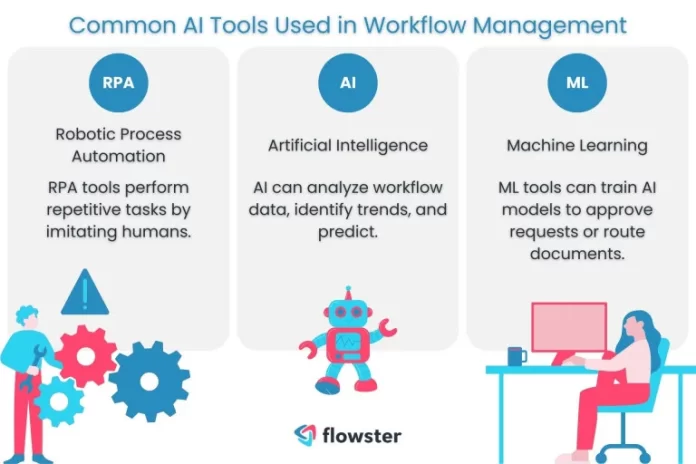
Imagine managing a dispersed team spread across multiple time zones, juggling tasks, deadlines, and communications — the chaos can quickly become overwhelming. AI-powered project management tools are designed to tackle exactly this kind of complexity. These platforms integrate artificial intelligence to automate routine tasks, provide intelligent insights, and streamline workflows. Core features often include automated task assignments, progress tracking, and smart notifications that adapt to team behavior. By replacing manual tracking with AI-driven analytics, teams gain real-time visibility into project status and resource allocation, making collaboration smoother and more efficient.
Overview of AI Technologies Used
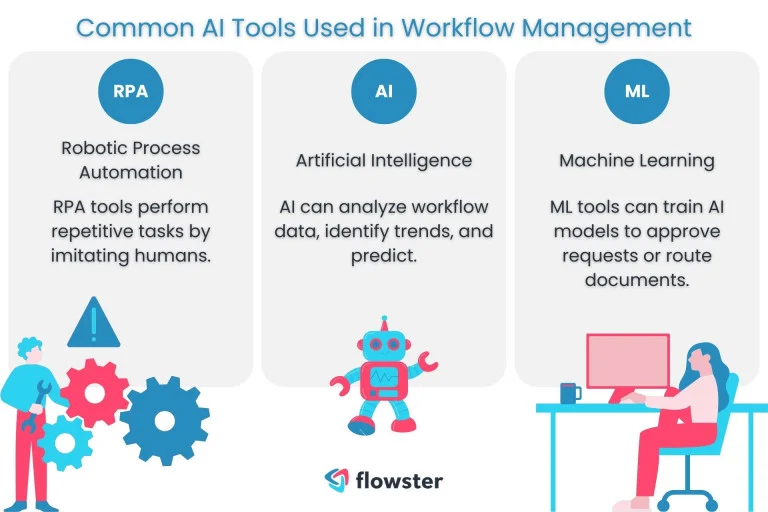
At the heart of these tools lie several key AI technologies. Natural language processing (NLP) allows the software to understand and summarize conversations, emails, and meeting notes automatically. Machine learning algorithms predict project risks by analyzing historical data and current progress trends. Intelligent scheduling tools leverage AI to find optimal meeting times across time zones and balance calendar workloads. Sentiment analysis helps gauge team morale by detecting emotional cues in written communication, providing managers with early warnings of burnout or disengagement. Together, these technologies form a comprehensive support system that transforms project management from static task lists into dynamic, data-driven collaboration.
The Rise of Remote Team Collaboration Challenges
Common Obstacles in Remote Work
Lucy, a product manager leading a global team, often noticed how fragmented communication hampered progress. Without informal hallway chats or spontaneous quick check-ins, misunderstandings were common. The heavy reliance on emails and scattered messages created information silos, making it tough to track who was responsible for what. The absence of real-time visibility into priorities resulted in tasks falling through the cracks or duplicated efforts. Remote workers felt isolated, and time zone differences meant that urgent queries sometimes went unanswered for hours. These challenges are not unique to Lucy’s team—they represent widespread hurdles in remote collaboration.
Why Traditional Project Management Falls Short
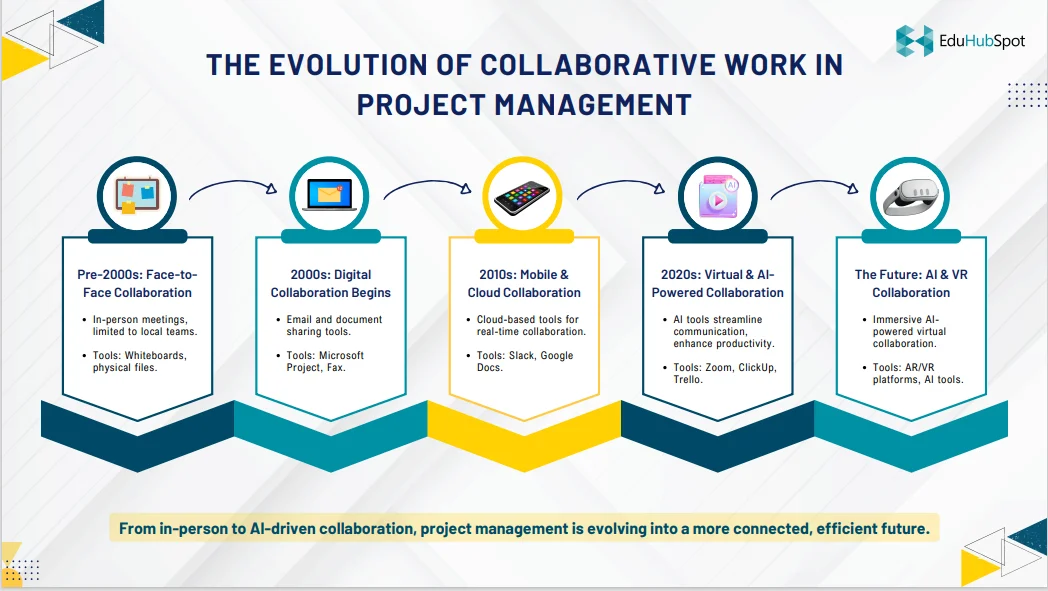
Historically, project management depended on manual processes, spreadsheets, and generic communication tools like email. While effective in co-located settings, these methods struggle at scale or when teams are distributed. Traditional tools lack AI’s ability to analyze team dynamics or predict project bottlenecks. They do not offer real-time updates or intelligent prioritization, which results in delayed responses and missed deadlines. Without dynamic insights, managers often react only after problems escalate. This approach leads to inefficiencies, diminished team morale, and ultimately, compromised project outcomes.
How AI Enhances Communication and Coordination
Automated Task Assignments and Prioritization
Consider the example of a marketing team using an AI-driven platform like Monday.com. Instead of manually assigning tasks, the system analyzes each team member’s workload, skills, and past performance to distribute tasks effectively. This ensures no one is overwhelmed while critical tasks receive appropriate attention. AI algorithms continuously reprioritize tasks based on changing deadlines and project updates, allowing teams to adapt quickly. This automation not only saves time but also reduces the friction and uncertainty common in manual task distribution.
Real-Time Collaboration and Feedback Mechanisms
Tools such as Slack, enhanced with AI capabilities, provide instant translation and summarization features that break down language barriers in multinational teams. Real-time conversation summaries keep members aligned, even if they join discussions late or miss meetings. Smart labels categorize chat threads by topic, making information retrieval effortless. Additionally, AI monitors communication patterns to detect signs of disengagement or conflict, prompting managers to intervene early. These features foster a more inclusive and responsive collaboration environment, replicating some benefits of face-to-face teamwork.
Boosting Productivity through Intelligent Automation
AI-Driven Scheduling and Deadline Management
Time management becomes a formidable challenge when coordinating across global teams. AI-powered scheduling tools, like those integrated in Microsoft Teams, automatically propose meeting times that suit participants in different time zones, avoiding calendar conflicts. These platforms can flag overloaded schedules and suggest breaks to prevent burnout. Deadline management is equally enhanced, with AI predicting project risks and alerting teams if a milestone is at risk of slipping. This foresight enables proactive adjustments, keeping projects on track and reducing last-minute crises.
Reducing Human Error and Redundancies
Manual note-taking during meetings often results in incomplete records or misinterpretation. AI transcription tools such as Otter.ai capture conversations verbatim, providing searchable records and automatically highlighting action items. This reduces misunderstandings and frees team members to engage actively rather than scribbling notes. Moreover, by automating repetitive administrative tasks like status reporting and follow-ups, AI cuts down redundant communications and errors, allowing the team to focus on strategic, high-impact work.
Case Studies: Success Stories with AI in Remote Teams
Startups Leveraging AI for Agile Project Delivery
A startup developing a mobile app recently adopted Trello enhanced with AI plugins. Early on, they struggled with balancing workload and meeting sprint deadlines due to scattered feedback and manual task allocation. By integrating AI-driven analytics, they gained insights into bottlenecks and resource imbalances. Automated reminders and progress updates kept everyone informed in real-time. The result was a 25% improvement in sprint completion rates and stronger team cohesion, despite being fully remote.
Large Enterprises Transforming Workflow Efficiency
A multinational consulting firm implemented a suite of AI tools across its project management and communication platforms. With teams spanning continents, they faced challenges around language barriers and asynchronous work cycles. The introduction of AI-powered translation and sentiment analysis allowed managers to detect early signs of burnout and engagement issues. Task prioritization algorithms optimized resource allocation, boosting overall productivity. Over a year, project delivery times shortened by 15%, and employee satisfaction surveys reflected increased morale and trust in collaboration systems.
Key Considerations When Choosing AI-Powered Tools
Integration with Existing Systems
When selecting AI tools, it is crucial to consider how well they integrate with current workflows and technology stacks. Lucy’s team, for instance, avoided disruptions by choosing a platform compatible with their email, calendar, and communication apps. Seamless integration ensures data flows smoothly, preventing the creation of new silos. Platforms offering APIs and customizable features provide flexibility to tailor the AI system to specific team needs, enhancing adoption and impact.
Data Security and Privacy Concerns
With AI processing sensitive project information and communication data, strong data security measures are non-negotiable. Teams must evaluate the encryption protocols, compliance with regulations like GDPR, and access controls of any AI solution. Transparency about how data is used and stored builds trust among team members. For remote teams exchanging confidential client information or proprietary strategies, choosing platforms with rigorous security standards is essential to protect against breaches.
Future Trends in AI and Remote Team Collaboration
Predictive Analytics for Project Outcomes
Looking ahead, AI will increasingly enable predictive analytics that anticipate project risks and resource needs well before problems arise. Imagine a dashboard that forecasts delays based on current team workload and external factors, allowing managers to redistribute tasks preemptively. This proactive approach transforms project management from reactive troubleshooting to strategic planning, making remote collaboration more resilient and efficient.
Adaptive Learning Systems and Personalized Support
Future AI systems will adapt to individual team members’ working styles, preferences, and productivity rhythms. Personalized recommendations will help optimize task lists, suggest ideal times for focused work, and provide tailored learning resources. Such adaptive learning fosters continuous improvement and wellbeing, addressing unique needs often lost in one-size-fits-all management. The human aspect of collaboration will be preserved and enhanced through intelligent technology that learns and supports rather than replaces.


